


Close Menu

    Get the latest news around the globe

    Editor's Pick

    Qualcomm explores acquisition of Intel’s chip design

    Scorching summer ahead: India gears up for more heatwave days

    SpaceX to build $100bn starbase launch facility in Louisiana

    Facebook X (Twitter) Instagram LinkedIn
    Facebook X (Twitter) LinkedIn Instagram
    Britain HeraldBritain Herald
    Subscribe
    • Home
    • World Roundup
    • Business
    • Tech World
    • Entertainment & Events
    • Curious
    • More…
      • Spotlight
      • Knowledge
      • Lifestyle
      • Awareness
      • Women World
      • Sports
      • Travel
      • Notable
      • Contact Us
    Britain HeraldBritain Herald
    Home » Fast-moving Leonid meteors set to light up night skies
    Science

    Fast-moving Leonid meteors set to light up night skies

    The annual meteor shower will be visible from both hemispheres, with the best viewing conditions expected after midnight as the Moon sets.
    Abhirami PriyaBy Abhirami PriyaNovember 17, 2026
    Facebook Twitter LinkedIn WhatsApp
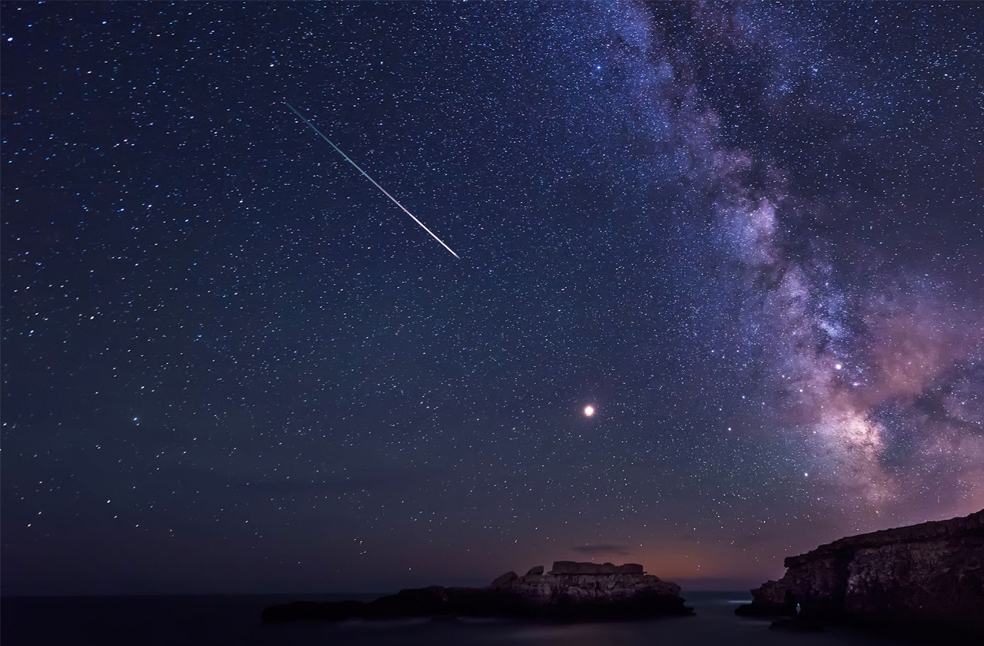
    Leonid Meteor Shower-Image Via-NHM
    Image Credits: Natural History Museum | Cropped by BH

    London: The Leonid meteor shower, known for producing some of the fastest shooting stars in the night sky, is set to reach its peak on the night of November 17- 18.

    The meteors travel at speeds of around 71km per second, creating bright streaks as they burn up in Earth’s atmosphere. Some leave glowing trails that remain visible for several seconds.

    The annual shower occurs when Earth passes through a stream of dust and debris left behind by Comet Tempel-Tuttle. As the particles enter the atmosphere at high speeds, friction heats them up, causing them to glow before burning out. Although they are commonly called shooting stars, meteors are not stars but small pieces of space debris.

    What makes the Leonid meteor shower special?

    The Leonids take their name from the constellation Leo, which appears to be the point from which the meteors originate.

    They are particularly known for producing fireballs, exceptionally bright meteors caused by larger fragments of debris, as well as Earth-grazers that skim the upper atmosphere at a shallow angle, sometimes leaving long trails close to the horizon.
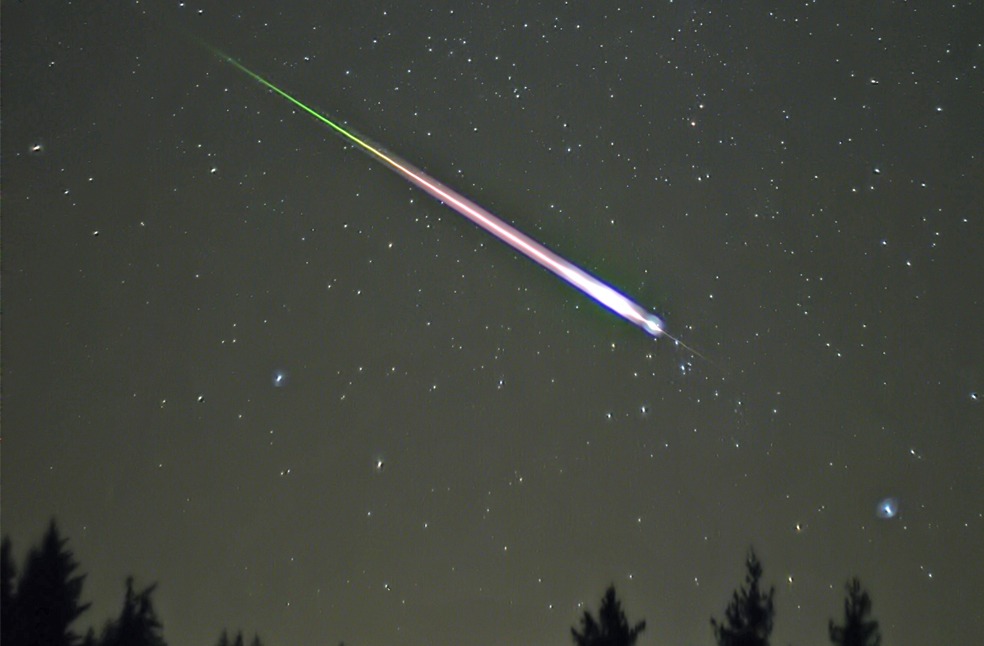
    Leonid Meteor Shower-Image Via-Wiki
    Image Via: Wikipedia | Cropped by BH

    The shower is also famous for occasional meteor storms. Comet Tempel-Tuttle passes close to the Sun roughly once every 33 years, leaving behind trails of dust and debris. When Earth crosses a particularly dense part of this material, the Leonids can produce at least 1,000 meteors an hour.

    One of the most notable events occurred in 1833 over North America, helping scientists understand the origin of meteors. Another spectacular display took place in 1966, when thousands of meteors were seen every minute for around 15 minutes. More recent storms occurred in 1999, 2001 and 2002. The comet is expected to make its next close approach to the Sun in 2031.

    Where to look for the Leonids

    Leonid meteors can appear across any part of the sky, so observers do not need to focus exclusively on one direction. The best way to watch is to find a dark location with an unobstructed view, lie back and scan as much of the sky as possible.

    The meteors appear to originate from a single point called the radiant. This is an optical effect caused by perspective: although the particles travel along roughly parallel paths, their trails seem to spread out from one location, similar to railway tracks appearing to meet in the distance.
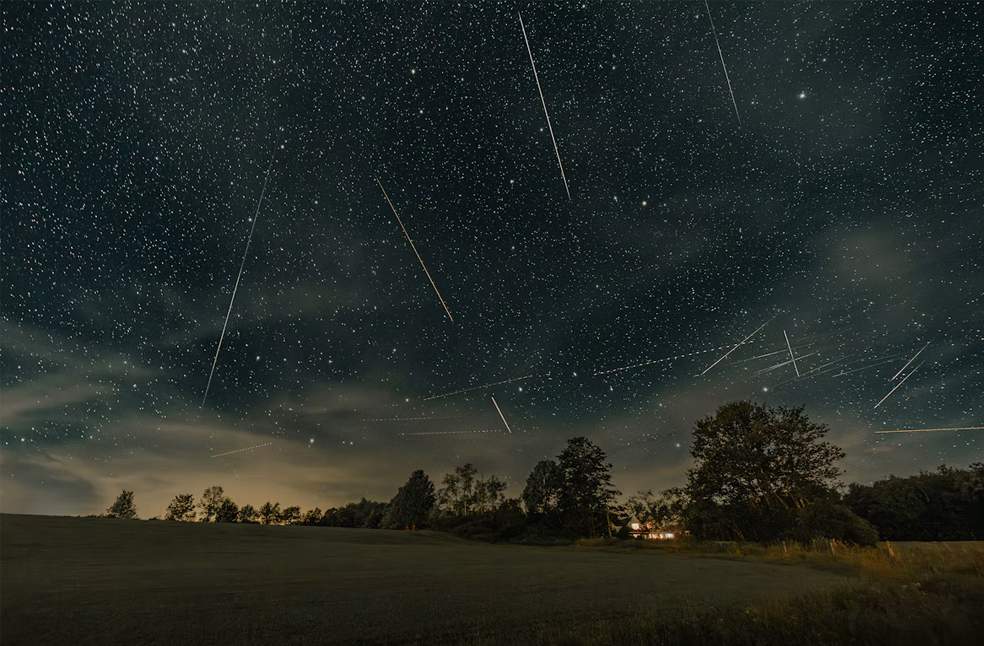
    Leonid Meteor Shower-Image from-Unsplash
    Image Via: Clay Banks@Unsplash | Cropped by BH

    For the Leonids, this radiant is located in the constellation Leo, which rises in the eastern sky around midnight.

    When is the best time to watch the Leonid meteor shower?

    According to the International Meteor Organization (IMO), the Leonids are active from November 6 to 30, with the peak expected around 23:45 GMT on Tuesday, November 17. Under clear and dark skies, observers could see up to around 15 meteors an hour during the peak.

    The most favourable viewing period is from midnight until dawn, as the constellation Leo climbs higher in the sky. The Moon will be around half illuminated on the peak night but is expected to set around midnight in many locations, leaving darker conditions for the remaining viewing hours.

    For the best chance of spotting meteors, choose a location away from streetlights and buildings that obstruct the sky. Allow your eyes around 20 minutes to adjust to the darkness before watching.
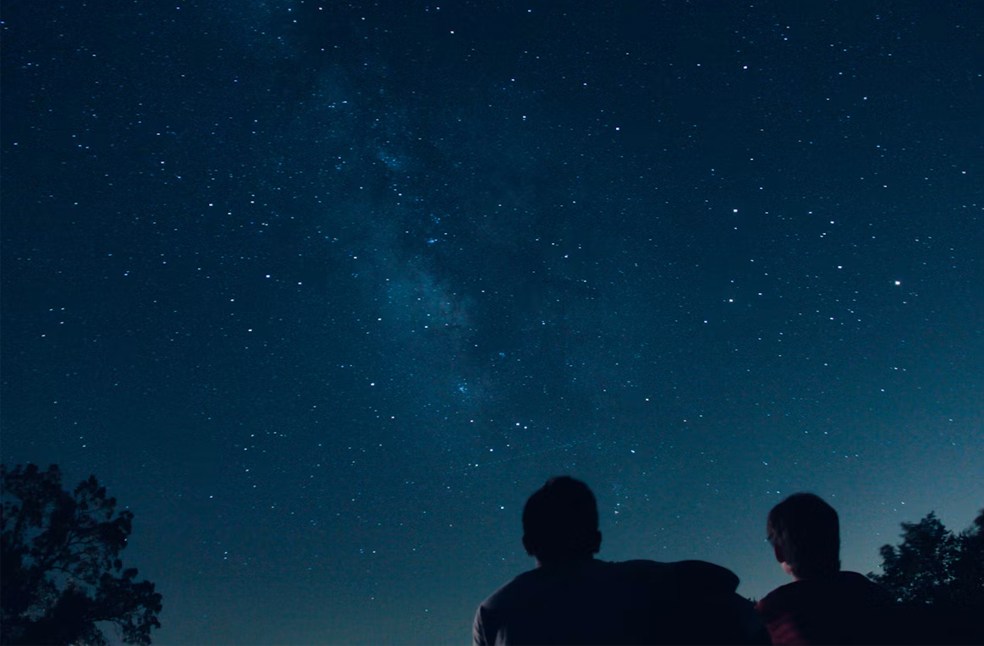
    Leonid Meteor Shower-Image Via-Unsplash
    Image Via: Ryan Jacobson@Unsplash | Cropped by BH

    Can the Leonids be seen from both hemispheres?

    Yes. The Leonid meteor shower is visible from both the Northern and Southern Hemispheres, although viewing conditions are generally more favourable in the north because the constellation Leo rises higher in the sky.

    Observers in the Southern Hemisphere may have a better chance of seeing the shower during the hour or two before sunrise.

    Will the Moon affect the 2026 Leonid meteor shower?

    The Moon is expected to have only a limited effect on this year’s display. It reaches its first-quarter phase on November 17 and is expected to set around midnight, reducing its brightness during the best hours for meteor watching.

    How do the Leonids compare with other meteor showers?

    The Leonids produce fewer meteors than some of the year’s other major showers. The IMO estimates a peak rate of around 15 meteors an hour under ideal conditions, compared with approximately 100 an hour for the Perseids in August and 150 an hour for the Geminids in December.

    However, the Leonids stand out for their exceptional speed and their history of spectacular meteor storms, which can turn an otherwise modest display into an extraordinary night-sky event.

    MOST READ | US flight disruptions expose ageing FAA infrastructure

    STAR OF SECTOR 2025
    Celestial Events November Comet Tempel-Tuttle International Meteor Organization Leonid Meteor Shower Leonid Meteor Shower 2026 Leonid Meteor Shower Viewing November Meteor Shower
    Share. Facebook Twitter LinkedIn WhatsApp
    Abhirami Priya
    Abhirami Priya
    • X (Twitter)
    • LinkedIn

    Abhirami Priya (Abhirami D. S) is a Desk Reporter at Britain Herald with UG & PG in Journalism and a Master’s in Multimedia Journalism from Sheffield Hallam University. She has been writing since 2019. Readers should independently verify facts and seek professional advice before acting on this content.

    Newly Updated

    Hackers exploit popular websites to steal crypto, target iPhones

    November 17, 2026

    China to cut tariffs on more Canadian exports as trade ties improve

    November 17, 2026

    GTA 6 launch sparks unusual plans among eager gamers

    November 17, 2026
    STAR OF SECTOR 2025

    Business

    China to cut tariffs on more Canadian exports as trade ties improve

    World Roundup November 17, 2026

    Shenzhen: China will reduce tariffs on additional Canadian exports, including pork and seafood, as the…

    US tightens chip export rules to restrict China’s AI access

    November 17, 2026

    Oil prices face second weekly decline as Iran blockade continues

    November 13, 2026

    Finland grants approval for Tesla driver assistance system

    November 11, 2026
    Stay In Touch
    • Facebook
    • Twitter
    • LinkedIn
    • Instagram

    Curious

    Bolivia’s Yungas forests reveal new tiger cat species

    September 18, 2026

    Queensland woman gives birth to twins with different biological parents

    August 27, 2026

    Giant Python successfully treated with human cancer therapy

    August 21, 2026

    Forgotten history of dining tables and how we eat

    August 16, 2026

    Get the latest news around the globe

    Knowledge

    How artificial intelligence is changing the global job market

    Tech World November 3, 2026

    Artificial intelligence (AI) is transforming the global job market, changing how businesses hire employees, manage…

    FIFA World Cup: The Art Behind One of Earth’s Biggest Events

    October 30, 2026

    ‘Maxxing’ named Dictionary.com’s Word of the Year for 2026

    October 27, 2026

    Organic Farm Visits: The growing popularity of rural tourism

    October 22, 2026
    18-EA-387-TryEngineeringSummerInst_BannerAd_300x250_Robot
    About Us
    About Us

    Britain Herald is a UK rooted, digital first media brand focused on business, diaspora, leadership, innovation and international affairs. Built for the emerging authority economy, it values credible expertise, trusted institutions and recognised voices.

    Operated and Managed by WellMade Network, the portal is a sister concern of GCC Business News and Emirati Times.

    Email Us: News@BritainHerald.com
    Whatsapp: +971 5060 12456

    We Have

    Fast-moving Leonid meteors set to light up night skies

    November 17, 2026

    Hackers exploit popular websites to steal crypto, target iPhones

    November 17, 2026

    China to cut tariffs on more Canadian exports as trade ties improve

    November 17, 2026

    GTA 6 launch sparks unusual plans among eager gamers

    November 17, 2026

    US tightens chip export rules to restrict China’s AI access

    November 17, 2026
    Facebook X (Twitter) LinkedIn Instagram
    • Home
    • Business
    • Tech World
    • Awareness
    • Contact Us
    Privacy & Cookies Policy | Terms & Conditions
    © 2002 BritainHerald.com, An Initiative by WellMade Network

    Type above and press Enter to search. Press Esc to cancel.