


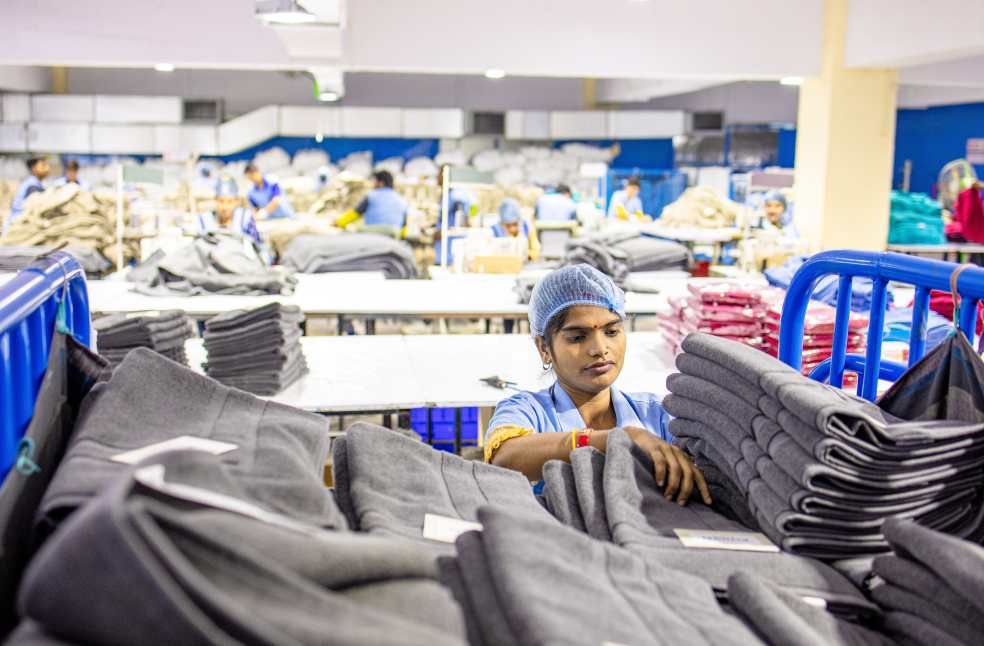
Jharkhand: Indian garment manufacturers are increasingly diversifying their export markets to reduce dependence on the United States following the impact of higher US tariffs on their businesses.
Exporters are shifting their focus towards the United Kingdom, Europe, the UAE and other markets to minimise risks and maintain business stability. Orient Craft, a major Indian garment manufacturer based in Ranchi, Jharkhand, has significantly reduced its exposure to the US market.
The company, which supplies clothing to British retailers Next and Marks & Spencer, previously generated 84 percent of its sales from the US. However, following tariff increases imposed by US President Donald Trump, the company has redirected much of its business towards Britain, Europe and the domestic market. The US now accounts for less than 10 percent of its sales.
Founder Sudhir Dhingra stated that American buyers had cancelled orders or demanded discounts after the tariff announcements in April 2025. Some buyers also asked Indian manufacturers to absorb part of the additional duty, putting further pressure on already narrow profit margins.
Another major exporter, Gokaldas Exports, is also strengthening its presence in Europe. The company plans to increase Europe’s contribution to its revenue from the current 15 percent–16 percent to 25 percent–30 percent over the next three to five years. Meanwhile, it aims to reduce the US market’s share from 50 percent–55 percent to 35 percent–40 percent.
According to the Global Trade Research Institute, India’s textile, apparel and home-furnishings exports to the US declined 9.8 percent to $4 billion between April and August. In comparison, exports to other markets increased 3.7 percent to $15.2 billion during the same period.
European markets and domestic demand gain importance
The India-UK trade agreement, which came into effect in July, provides Indian clothing exporters with duty-free access to the British market. A similar trade agreement with the European Union could eliminate existing import duties of 12 percent–17 percent, creating additional opportunities for Indian manufacturers.
Germany, France, Italy and the Netherlands are among the key European markets targeted by Indian apparel exporters. Companies are also exploring opportunities in the UAE and other international destinations as they seek more predictable trading conditions.
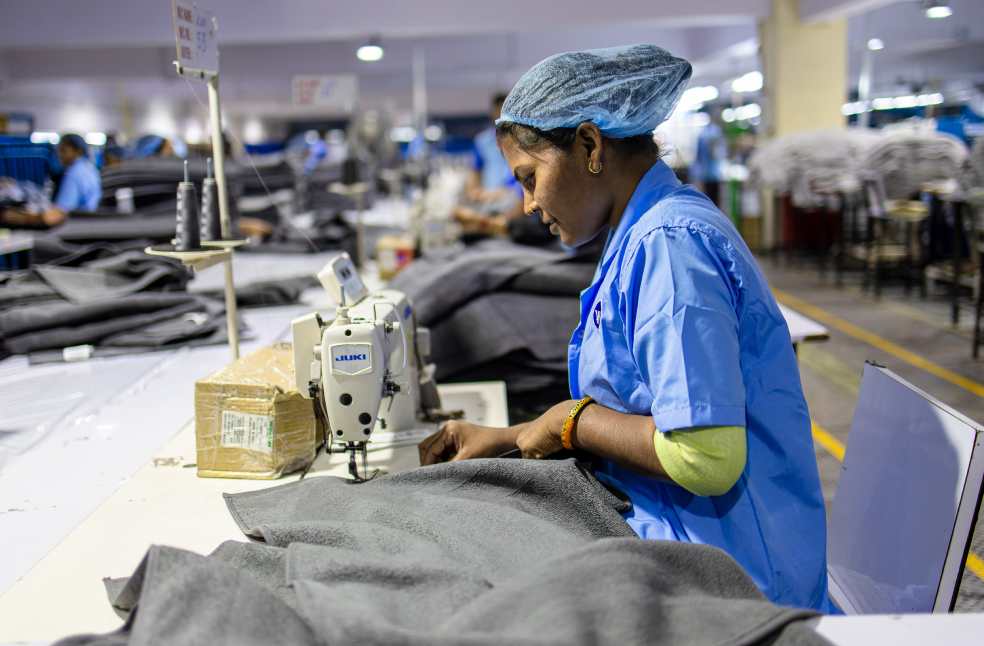
Alongside market diversification, manufacturers are focusing on reducing production costs and improving operational efficiency. Ranchi is emerging as an attractive destination for garment manufacturing due to government subsidies, easier access to land and the availability of a skilled workforce. Several factories in and around the city employ thousands of workers, supporting the region’s growing role in India’s textile industry.
India’s domestic apparel market, valued at approximately $150 billion and growing at an annual rate of 7 percent–8 percent, is also providing manufacturers with an important source of revenue amid export uncertainties.
Industry representatives say diversification is becoming a long-term business strategy rather than a temporary response to tariff changes. While the US remains an important destination because of its market size and established business relationships, Indian exporters are increasingly seeking a balanced presence across multiple markets to protect their businesses, employment and supply chains.
MOST READ | Cameroon announces legislative and local elections for Feb 2027