


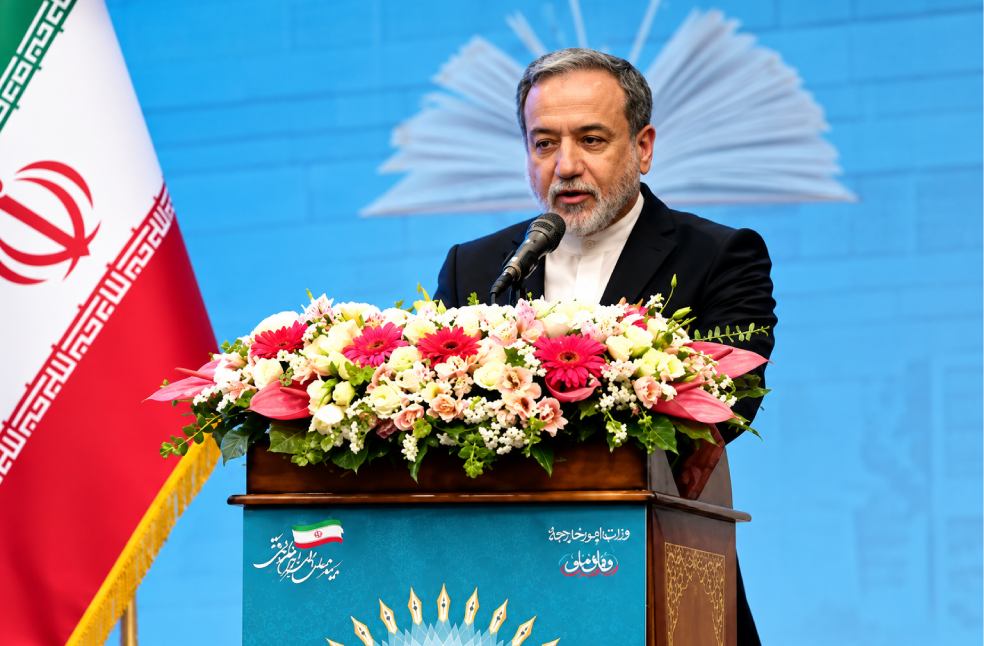
United States: Iran has offered the United States a proposal that could reopen the Strait of Hormuz within seven days if certain conditions are met, Iranian Foreign Minister Abbas Araghchi stated at the United Nations General Assembly.
Araghchi stated that Iran had conveyed the proposal to the United States through mediators and that the plan would allow normal maritime passage through the strategic waterway within seven days if the necessary conditions were fulfilled.
“If the necessary conditions are met, the strait can be reopened, a normal maritime passage restored within seven days. The choice now rests with the United States,” Araghchi told reporters in New York.
The proposal builds on a memorandum of understanding signed by the United States and Iran in June, which was intended to establish a ceasefire and partially restore shipping through the Strait of Hormuz. Araghchi stated that the measures Washington would need to take were already contained in that memorandum.
US officials have indicated that discussions with Iran through mediators were continuing. A US official described the discussions as positive, while Washington has not publicly committed to accepting the seven-day proposal.
The Strait of Hormuz is a critical energy shipping route linking the Persian Gulf with the Gulf of Oman and the Arabian Sea. Its disruption has affected international oil and gas markets and increased concerns over energy supplies.
The latest proposal comes amid a broader conflict between Iran, the United States and Israel. US and Israeli forces launched air strikes against Iran on February 28, after which Iran attacked Israel and US military positions in the Gulf and restricted maritime traffic through the strait.
The June memorandum included provisions for ending military operations on multiple fronts, ending the US naval blockade and providing sanctions relief. It also called on Iran to make arrangements for the safe passage of commercial vessels through the Strait of Hormuz and to discuss future shipping arrangements with Oman.
The agreement later broke down after military strikes resumed between the parties. Iran has since restricted the movement of vessels through the strait, while the United States has maintained military pressure and a blockade affecting Iranian ports. The disruption has created significant challenges for commercial shipping and energy markets.
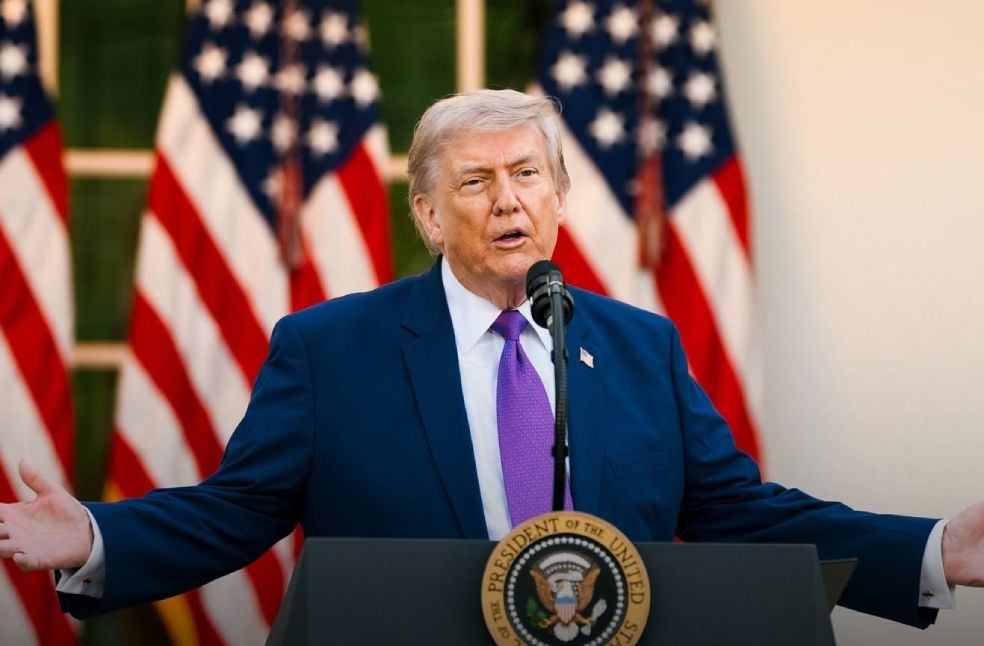
Iran’s latest proposal comes as President Donald Trump faces pressure to resolve the conflict. During his address to the United Nations General Assembly, Trump stated that an agreement with Iran could potentially be reached after the US congressional elections in November.
Trump has also warned Iran of severe consequences if diplomatic efforts fail. Iran has rejected what Araghchi described as coercion and threats, stating that negotiations cannot be conducted under intimidation.
Araghchi stated that Iran would not accept ‘coercion, threats or intimidation’ and added that ‘peace cannot be built through threats of annihilation’.
The proposal also includes a potential return to negotiations over Iran’s nuclear programme. Recent diplomatic contacts have taken place through intermediaries, with Qatar among the countries involved in passing messages between Washington and Tehran.
Any agreement would need to address the wider conflict, sanctions, military operations and Iran’s nuclear programme, in addition to the status of commercial shipping through the strategic waterway.
YOU MAY LIKE | Macklemore announces ‘Free Palestine’ tour after Sheeran fallout
