


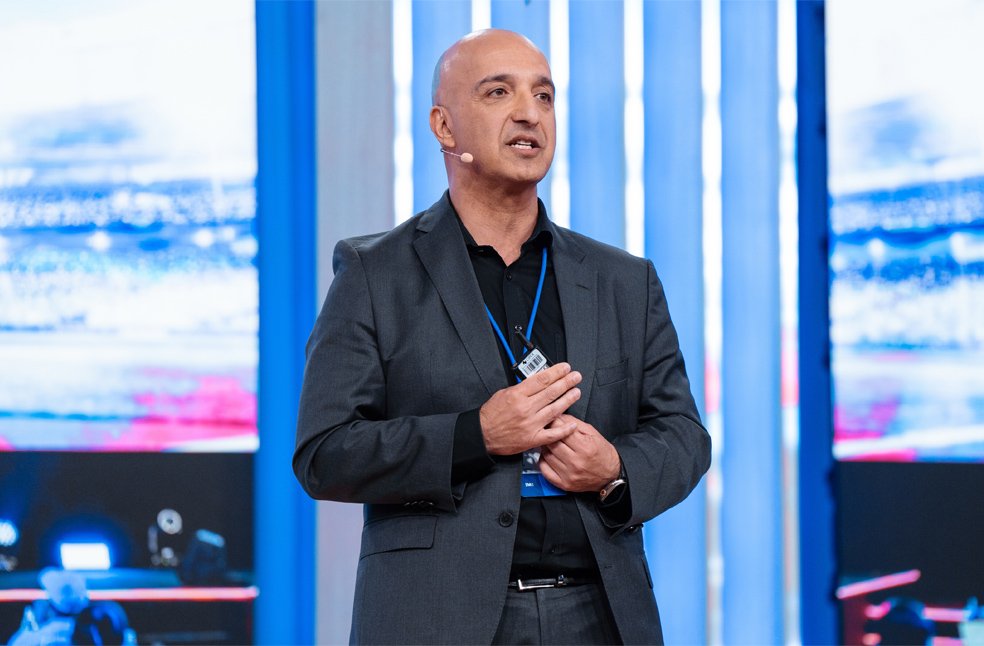
London: Novo Nordisk CEO Mike Doustdar is expected to face pressure to outline how the Danish drugmaker plans to compete with US rival Eli Lilly and find new sources of growth beyond its blockbuster weight-loss drug Wegovy.
Novo Nordisk benefited from surging demand for Wegovy after its launch in 2021, helping the company become Europe’s most valuable listed firm in 2023, with a market value exceeding $600 billion.
However, the company’s shares have fallen more than 70 percent from their peak, while Eli Lilly’s stock has climbed. LSEG data indicates that sales of Lilly’s rival weight-loss treatment Zepbound are expected to exceed Wegovy sales by more than $7 billion this year.
Investors are now seeking greater clarity on Novo Nordisk’s longer-term strategy following clinical trial setbacks and the approaching patent expiries for semaglutide, the active ingredient in both Wegovy and its diabetes treatment Ozempic.
Portfolio Manager Markus Manns of Union Investment, which holds shares in both companies, stated that Novo Nordisk needs to develop additional growth areas beyond diabetes and obesity.

The Portfolio Manager suggested therapeutic fields such as cardiovascular and rare diseases could provide opportunities for diversification.
Pressure on growth strategy
Doustdar, who became CEO just over a year ago, has focused on reducing costs, ending weaker clinical programmes and pursuing targeted acquisitions and partnerships to strengthen the company’s late-stage pipeline.
The company received a boost from the launch of its Wegovy pill earlier this year, but concerns about its longer-term prospects increased after Novo Nordisk stopped trials of its experimental heart drug ziltivekimab.
Novo Nordisk raised its 2025 sales and operating profit growth outlook in August to a range of zero to minus 6 percent at constant exchange rates, compared with its previous forecast of minus 4 percent to minus 12 percent.
The company’s shares had already suffered a sharp decline in February following disappointing trial results for CagriSema, an experimental next-generation obesity treatment that had been viewed as a potential successor to Wegovy.
Investors seek new growth engines
Investors are also looking for clearer medium-term financial targets and a stronger plan to counter competition from emerging obesity treatments developed by AstraZeneca and other drugmakers.
In the near term, Novo Nordisk can rely on its Wegovy pill, which has maintained an early lead over Lilly’s Foundayo. Analysts, however, view this advantage as temporary given the longer-term patent challenges facing semaglutide.
With a relatively limited late-stage pipeline and several important trial results expected next year, analysts and investors expect Novo Nordisk to consider more acquisitions and licensing agreements.
Manns also argued that Novo Nordisk may need acquisitions in therapeutic areas outside obesity, saying its internal research and development efforts alone may not be sufficient to close the potential future revenue gap.
The company’s ability to develop new treatments, pursue strategic partnerships and identify growth opportunities beyond Wegovy will remain closely watched by investors.
MOST READ | Google says Gemini breached 3 firms during security tests
