


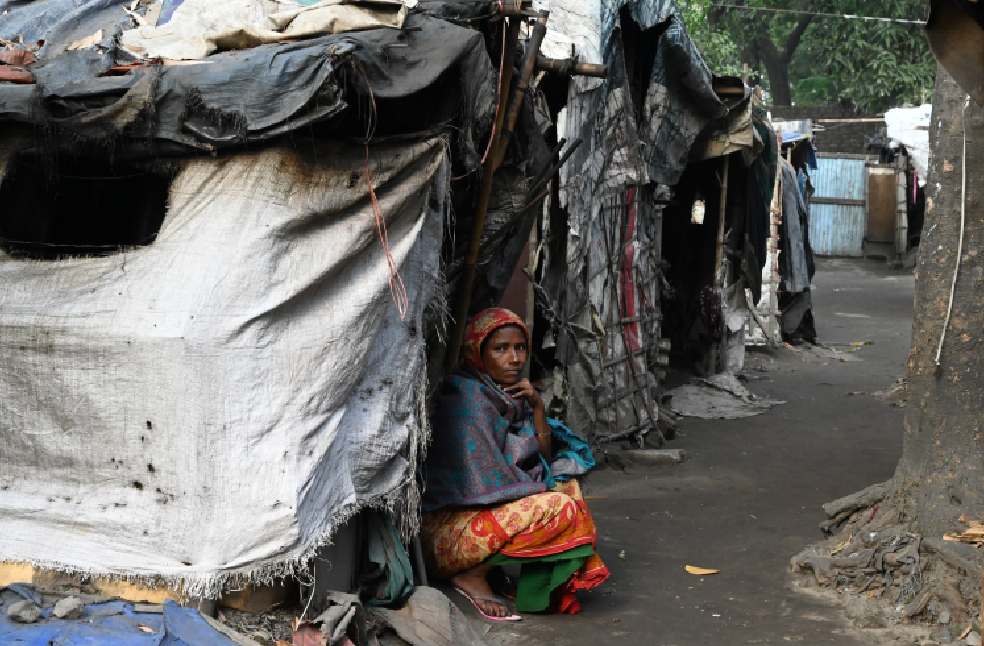
Buenos Aires: Argentina’s poverty rate has risen to 32.3 percent in the first half of 2026, reversing part of the progress recorded under President Javier Milei as rising living costs outpaced household income.
According to Argentina’s national statistics agency INDEC, poverty increased by 4.1 percentage points between January and June, from 28.2 percent in the second half of 2025. Extreme poverty also rose, reaching 7.5 percent from 6.3 percent during the same period.
The latest figures mark the first significant increase in poverty since Milei took office in December 2023. Poverty had climbed to 52.9 percent in the first half of 2024 before falling sharply as inflation slowed and the government implemented sweeping austerity measures. By the second half of 2025, the rate had dropped to 28.2 percent, its lowest level since early 2018.
#DatoINDEC
Encuesta Permanente de Hogares (EPH) en 31 aglomerados urbanos: la pobreza alcanzó al 24,4% de los hogares y al 32,3% de las personas en el 1° semestre de 2026; y la indigencia, al 5,6% y al 7,5%, respectivamente https://t.co/AYeQnndT2Q pic.twitter.com/Si7QOO6j9A— INDEC Argentina (@INDECArgentina) September 24, 2026
Labour market conditions have also come under pressure. Unemployment reached 7.9 percent in the second quarter of 2026, according to INDEC, while household income growth continued to lag behind the cost of essential goods and services. INDEC data show that per-person household income increased by 11.5 percent during the first six months of the year, while the basic basket used to determine the poverty threshold rose by nearly 20 percent.
The latest data indicate that the improvement in living standards recorded during the previous period has lost momentum. The rise in poverty also comes as Milei continues to defend his economic reforms, which have focused on reducing public spending and bringing inflation under control. Although the latest poverty rate remains well below the level recorded during the first half of 2024, the increase highlights continued pressure on household purchasing power.
Estimates from the Catholic University of Argentina (UCA), regarded as an early indicator of official poverty trends, have suggested that poverty could reach around 35 percent by the end of 2026.
The latest figures could also become an important issue ahead of Argentina’s 2027 presidential election, with recent polling indicating weaker support for Milei among lower-income respondents. The development comes as the government seeks to maintain support for its economic programme while addressing persistent pressure on wages, employment and household budgets.
MOST READ | Venezuela Interim President pledges elections during UNGA address
