


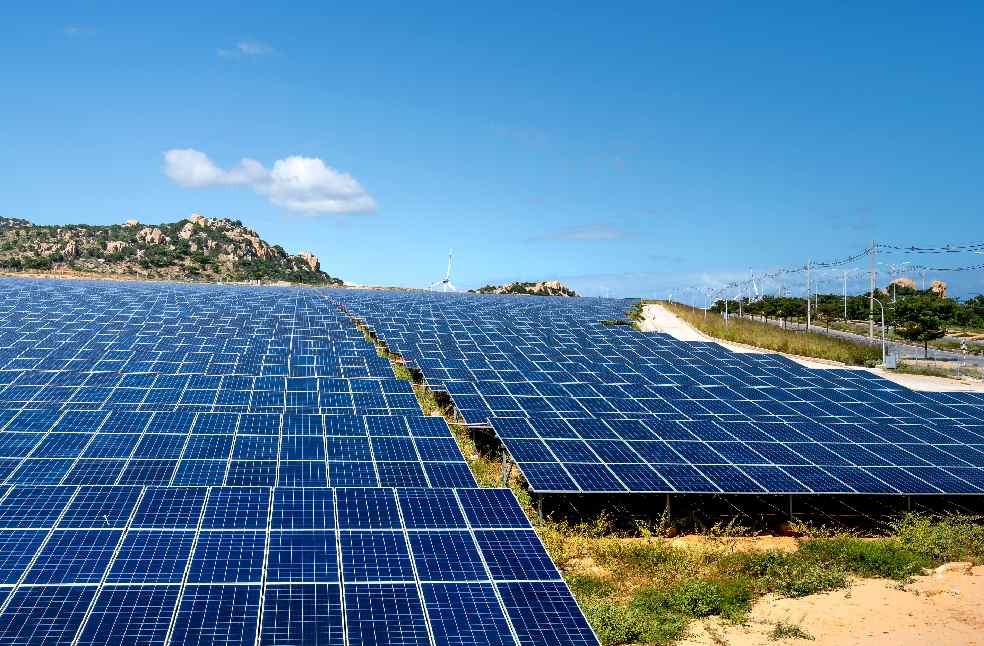
New Delhi: India’s green energy capacity has crossed 300GW, marking a major expansion of non-fossil power even as transmission constraints continue to affect the use of renewable electricity.
The electricity generated from renewable and other non-fossil sources briefly met more than half of India’s peak power demand. It was only the second time the milestone had been reached. The first occurrence was recorded around the same period a year earlier.
Solar, wind, hydropower and nuclear generation have expanded significantly over the past decade. Coal-fired power plants still produce about 70 percent of India’s electricity on average because coal units operate for longer periods than solar and wind facilities.
A decade ago, India had barely 4GW of installed renewable energy capacity. The figure has now reached about 300GW, accounting for 54 percent of the country’s total installed capacity of 552GW. The milestone was achieved 5 years ahead of schedule.
The rapid growth highlighted the scale of India’s transition towards cleaner electricity. The country was long heavily dependent on coal for power generation. The expansion of non-fossil capacity changes the composition of the electricity system and increased the role of renewable sources.
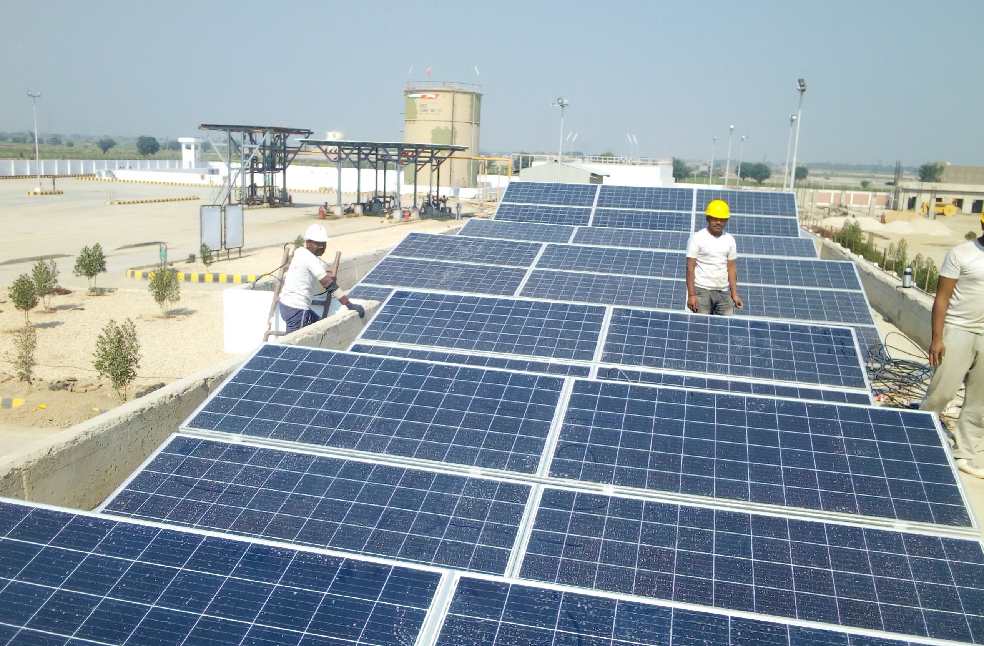
However, the growth also created pressure on the power grid. Renewable energy capacity expanded faster than transmission infrastructure in some areas. As a result, part of the electricity produced from clean sources has not been used because the available transmission network cannot always carry the power to where it is needed.
Transmission projects also faced delays. About 1 in 4 inter-state transmission projects was delayed by more than a year. The delays becomes a significant concern as India continues adding renewable generation capacity.
The geographical concentration of new projects added to the challenge. Gujarat and Rajasthan have emerged as major centres for renewable energy development, particularly for solar and wind power. Moving large volumes of electricity from these states to other parts of the country requires stronger transmission links.
India’s renewable energy expansion therefore reached an important stage. The growth in generation capacity demonstrates the country’s ability to add clean power at scale. The next challenge is ensuring that transmission infrastructure grows quickly enough to connect that electricity with demand centres.
The progress also shows that increasing renewable capacity alone is not enough to transform the power system. Better grid infrastructure will be needed to reduce the amount of clean electricity that goes unused and make greater use of India’s growing non-fossil capacity.
ALSO READ | UK agrees limited air refuelling support for Saudi Arabia
