


Close Menu

    Get the latest news around the globe

    Editor's Pick

    WeWork files for bankruptcy in US as value plummets

    G7 to tap frozen Russian reserves for $50bn loan package to Ukraine

    Samsung Electronics expects 15-fold Q2 profit surge

    Facebook X (Twitter) Instagram LinkedIn
    Facebook X (Twitter) LinkedIn Instagram
    Britain HeraldBritain Herald
    Subscribe
    • Home
    • World Roundup
    • Business
    • Tech World
    • Entertainment & Events
    • Curious
    • More…
      • Spotlight
      • Knowledge
      • Lifestyle
      • Awareness
      • Women World
      • Sports
      • Travel
      • Notable
      • Contact Us
    Britain HeraldBritain Herald
    Home » Nepal floods highlight rising risks for India’s river plains
    World Roundup

    Nepal floods highlight rising risks for India’s river plains

    This warning highlights how Himalayan rainfall, river levels and infrastructure can turn Nepal floods into disasters across northern India.
    Fathima T KBy Fathima T KSeptember 3, 2026
    Facebook Twitter LinkedIn WhatsApp
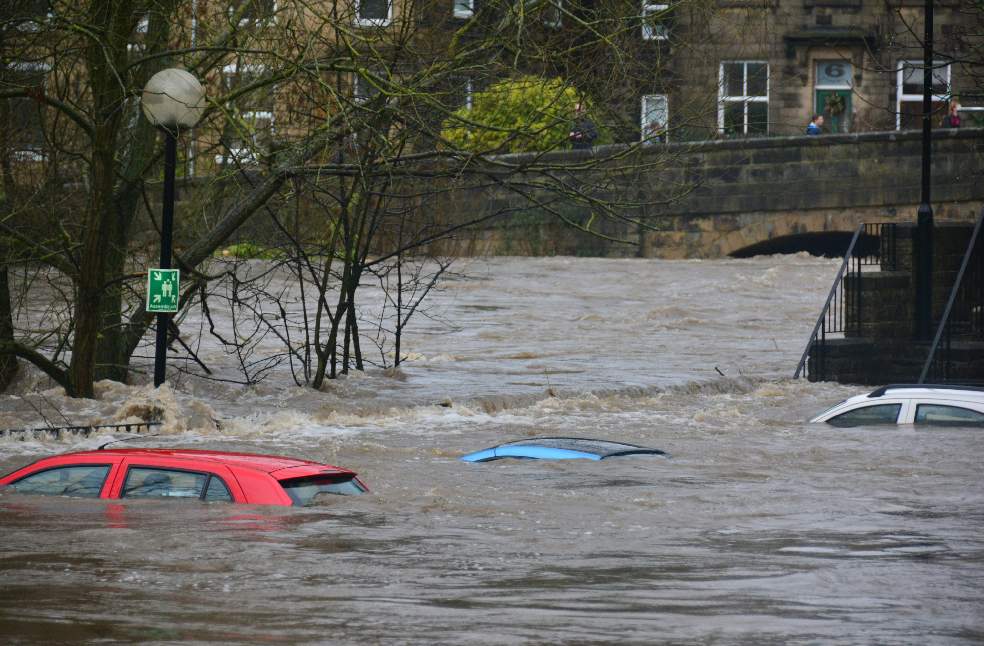
    Bingley Floods 2015 Boxing Day - Brown Cow Bingley
    Image Via: Chris Gallagher@Unsplash | Cropped by BH

    Kathmandu: Nepal floods have highlighted the growing risks facing India as the 2 countries share a vast Himalayan river system that carries large volumes of water and sediment across the border.

    Nepal has more than 6,000 rivers and streams. Most flow south towards India and the Ganges. The main transboundary systems include the Kosi in the east, the Gandaki in the centre and the Karnali in the west. The Mahakali runs along the western border.

    Smaller rivers such as the Bagmati, Kamala, Rapti and Babai can also cause rapid and unpredictable flooding. These rivers rise in the Siwaliks and Chure. Their smaller and steeper catchments can respond quickly to intense monsoon rainfall.

    Around three-quarters of north Bihar is classified as flood-prone. The Kosi is the most notorious river and is followed by the Gandak, Bagmati and Kamala. Eastern Uttar Pradesh also faces risks from the Ghaghara, Rapti and Gandak. Uttarakhand is exposed to the Mahakali-Sharda system while north Bengal receives flows from the Mechi and Mahananda.
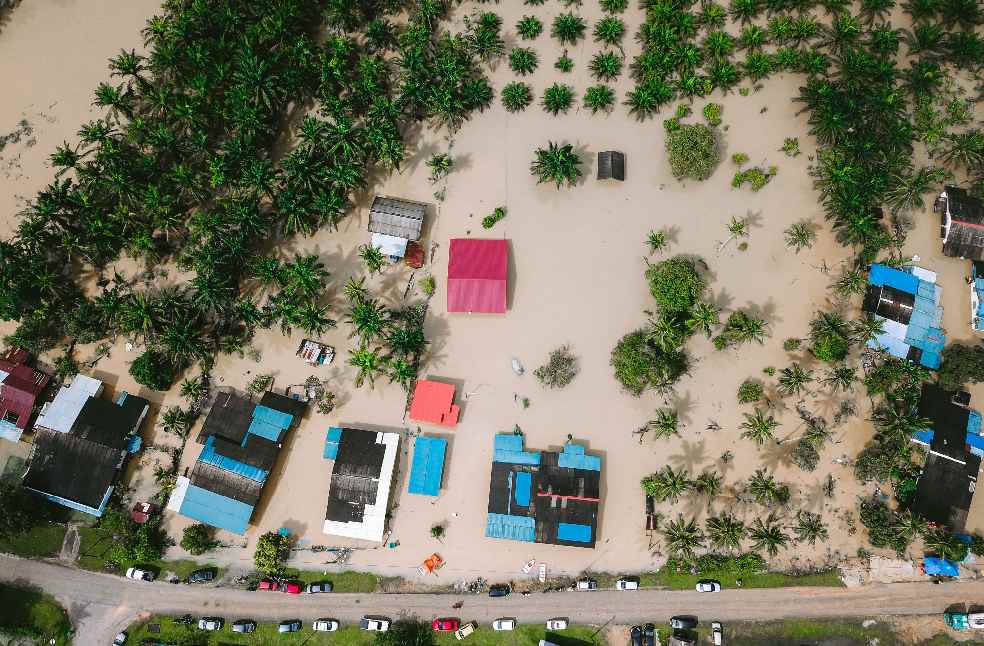
    Aerial view of a flooded village in Kijal, Malaysia, surrounded by palm trees, illustrating the natural disaster's impact
    Image Via: Pok Rie@Pexels | Cropped by BH

    Experts say flood severity is not determined by Nepal’s rainfall alone. Water levels in India, rainfall on the Indian side, the condition of embankments and barrages and blocked drainage can all determine whether flooding becomes catastrophic.

    The 2008 Kosi disaster illustrates the danger. Nearly 400 people died in Bihar after an embankment failed in Nepal. The river was carrying far less water than the embankment had been designed to withstand. The disaster therefore resulted from infrastructure failure rather than an exceptional flood.

    India can receive roughly 12 hours to 2 days of warning for ordinary monsoon floods. Flash floods from Chure rivers can reach the plains within hours. A landslide-dam burst or debris flow can move even faster. During the current floods, a peak surge from Rasuwa reached Triveni near the Indian border in about 7.5 hours.

    Nepal and India share real-time rainfall and river-level data. However, monitoring remains limited in some fast-flowing Chure catchments. There is also no single shared forecasting model and routine information on embankments, sediment and river-channel changes remains limited.
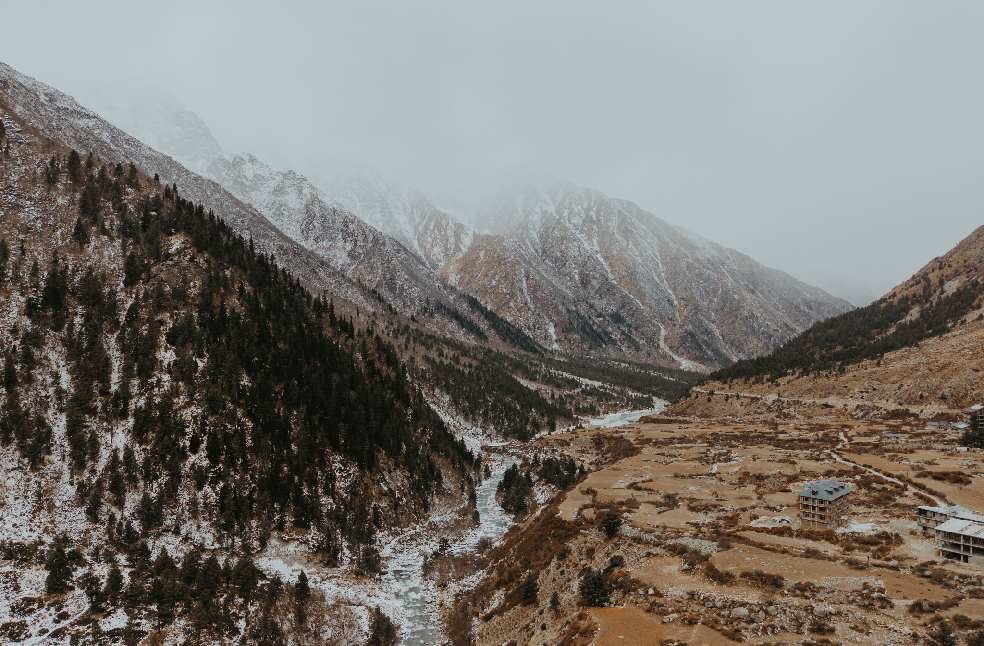
    Breathtaking aerial view of snow-dusted Himalayan mountains and valley in Marango Rangarik, Himachal Pradesh, India.
    Image Via: Parth Patel@Pexels | Cropped by BH

    Scientists have also warned against the misconception that Nepal simply releases water into India. The Kosi and Gandak barrages are operated by India. Most floodwater reaching the border comes from rainfall upstream.

    Nepal supplies around 40 percent of the Gange’s average annual flow and a larger share during the dry season. Climate change is adding another layer of risk as the region warms and rainfall becomes heavier. Glacial lake outbursts, landslides and rock-ice avalanches could also produce faster and more destructive debris-laden floods.

    The 2021 Chamoli disaster in northern India killed 200 people and damaged hydropower infrastructure after a large Himalayan glacier collapse triggered a surge of water and debris. In 2025, heavy rain at Dharali in Uttarakhand caused another flash flood that buried parts of a village under metres of debris.

    The growing concern is therefore not only about water crossing the border. It is about how intense rainfall, ice, rock and sediment interact across an increasingly volatile Himalayan system.

    MOST READ | NHS urine test unveils new way to detect bladder cancer

    STAR OF SECTOR 2025
    Climate Change Risks Flood Warning Systems Glacier Hazard Risks Himalayan Extreme Weather India Flood Threats Landslide Flood Threats Monsoon Rainfall Risks Nepal Flood Risks
    Share. Facebook Twitter LinkedIn WhatsApp
    Fathima T K
    Fathima T K
    • Facebook
    • X (Twitter)
    • Instagram
    • LinkedIn

    Fathima T. K. holds a BA in English Literature and Communication Studies and a B.Ed from Mahatma Gandhi University. With nearly two years of professional teaching experience, she is now pursuing a career in journalism as a trainee desk reporter at Britain Herald and Emirati Times, both operated by WellMade Network.

    Newly Updated

    World enters ‘Danger Zone’ as super El Niño threatens extreme weather

    September 3, 2026

    2 dead after gunman opens fire at Minneapolis high-rise

    September 3, 2026

    Ebola outbreak in Congo kills over 3,000, government data shows

    September 2, 2026
    STAR OF SECTOR 2025

    Business

    Range Rover unveils fully electric model after year-long delay

    Tech World September 2, 2026

    Solihull: The Range Rover Electric will be manufactured at JLR’s Solihull plant in the West…

    France targets Shein and Temu with new fast-fashion penalties

    September 1, 2026

    Europe’s gas storage drops to lowest level in 13 years

    August 29, 2026

    Holiday Warning: 10 ways to spot misleading hotel reviews

    August 28, 2026
    Stay In Touch
    • Facebook
    • Twitter
    • LinkedIn
    • Instagram

    Curious

    Queensland woman gives birth to twins with different biological parents

    August 27, 2026

    Giant Python successfully treated with human cancer therapy

    August 21, 2026

    Forgotten history of dining tables and how we eat

    August 16, 2026

    Earth to witness billions receiving sunlight together

    July 8, 2026

    Get the latest news around the globe

    Knowledge

    Why migration is transforming cities around the world

    Knowledge August 19, 2026

    Migration is transforming modern cities by changing their populations, economies, cultures and urban landscapes. People…

    Forgotten history of dining tables and how we eat

    August 16, 2026

    30 Days of Tai Chi: A new way to move and slow down

    August 15, 2026

    10,000-steps rule: Where did that number actually come from?

    August 2, 2026
    18-EA-387-TryEngineeringSummerInst_BannerAd_300x250_Robot
    About Us
    About Us

    Britain Herald is a UK rooted, digital first media brand focused on business, diaspora, leadership, innovation and international affairs. Built for the emerging authority economy, it values credible expertise, trusted institutions and recognised voices.

    Operated and Managed by WellMade Network, the portal is a sister concern of GCC Business News and Emirati Times.

    Email Us: News@BritainHerald.com
    Whatsapp: +971 5060 12456

    We Have

    World enters ‘Danger Zone’ as super El Niño threatens extreme weather

    September 3, 2026

    Nepal floods highlight rising risks for India’s river plains

    September 3, 2026

    2 dead after gunman opens fire at Minneapolis high-rise

    September 3, 2026

    Ebola outbreak in Congo kills over 3,000, government data shows

    September 2, 2026

    Bangladesh launches rooftop solar incentives as power shortages worsen

    September 2, 2026
    Facebook X (Twitter) LinkedIn Instagram
    • Home
    • Business
    • Tech World
    • Awareness
    • Contact Us
    Privacy & Cookies Policy | Terms & Conditions
    © 2002 BritainHerald.com, An Initiative by WellMade Network

    Type above and press Enter to search. Press Esc to cancel.