


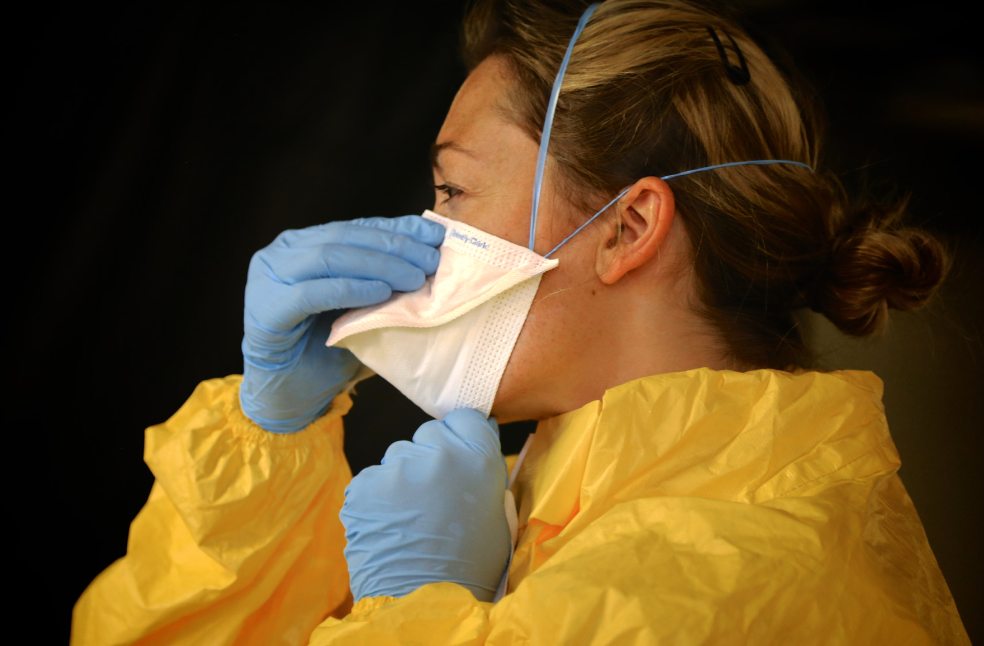
Ituri: The Democratic Republic of the Congo (DRC) is facing a worsening Ebola outbreak after the number of confirmed infections climbed to 3,200, including at least 1,405 deaths, according to the latest government data released.
The outbreak, officially declared on May 15, is the country’s 17th Ebola outbreak and is being driven by the Bundibugyo strain of the virus, for which there is currently no approved vaccine or specific treatment. Health officials reported that infections have increased by nearly 1,000 cases in just 10 days, highlighting the rapid spread of the disease.
According to the World Health Organization (WHO), nearly 90 percent of all reported cases have been recorded in the northeastern province of Ituri, which shares borders with South Sudan and Uganda. The virus has now spread to five provinces, including two newly affected regions, raising concerns about wider transmission.
Humanitarian agencies continue to face major logistical challenges in reaching affected communities. Hedley Tah of the UN Humanitarian Air Service (UNHAS) said difficult access remains one of the biggest obstacles to controlling the outbreak. UNHAS is transporting medical teams, emergency responders, and laboratory samples to ensure testing and case tracking continue despite challenging conditions.
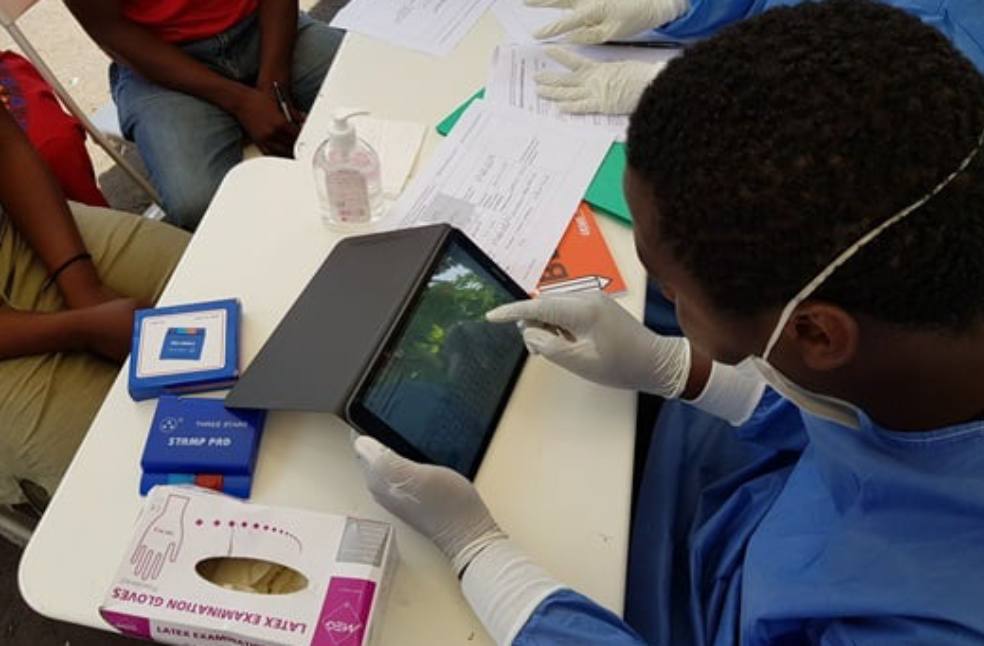
Authorities said the rising case count is partly due to expanded surveillance, improved detection, and increased testing, allowing health workers to identify more infections. However, the response has also been disrupted by strikes among healthcare workers demanding unpaid wages, affecting operations in several hospitals.
Ebola is a severe viral disease that spreads through direct contact with infected bodily fluids and can cause hemorrhagic fever. Over the past five decades, Ebola outbreaks have claimed more than 15,000 lives across Africa.
Scientists are accelerating efforts to develop vaccines and treatments specifically targeting the Bundibugyo strain. Oxford University recently announced that the first group of volunteers has received an experimental vaccine designed for the strain, while several additional vaccine candidates and two potential treatments are being fast-tracked for clinical trials.
Despite intensified surveillance and international support, health experts warn that the outbreak could continue for several more months, underscoring the urgent need for sustained funding, improved healthcare access, and rapid medical interventions.
POPULAR | Ebola spreads to two more provinces in DR Congo
