


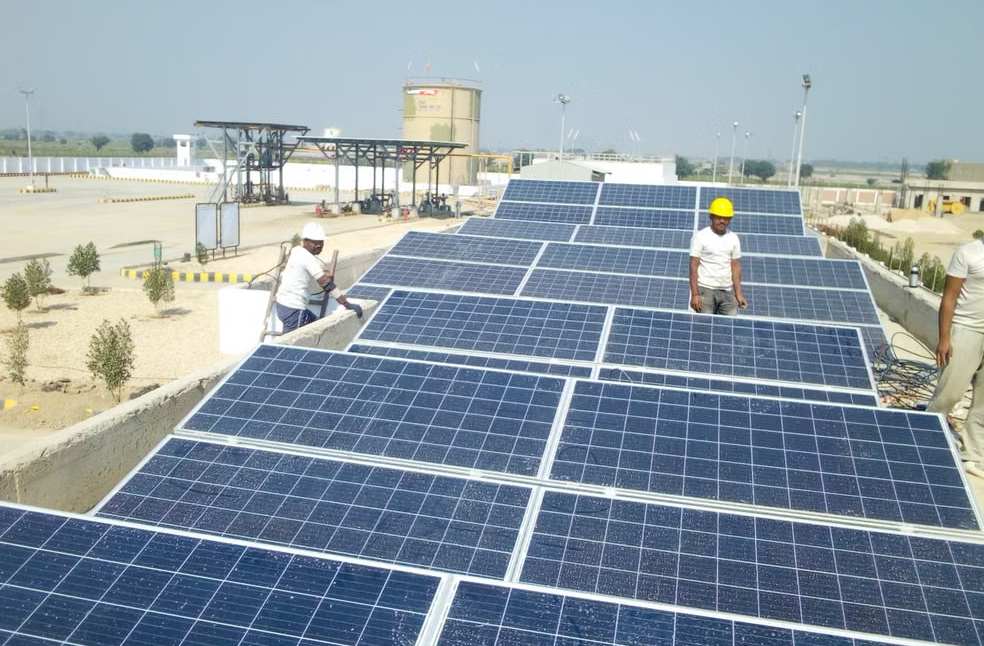
Dhahka: Bangladesh has introduced incentives for rooftop solar systems equipped with battery storage as the country faces severe power shortages and rising pressure on its energy supply.
Under the new programme, consumers that install eligible rooftop solar systems with battery storage by February 28, 2027, can receive an incentive of 10.50 taka per kilowatt-hour for surplus electricity supplied to the national grid. The scheme is intended to encourage households, businesses and other consumers to generate more electricity from renewable sources while reducing pressure on the national power network.
Bangladesh has set a target of generating 20 percent of its electricity from renewable sources by 2030, equivalent to around 5,500 megawatts of capacity. The country aims to raise the renewable share to 30 percent by 2040.
Solar power is expected to play a major role in reaching those targets because rooftop systems can be installed relatively quickly in a densely populated country where large areas of land for utility-scale projects are limited.
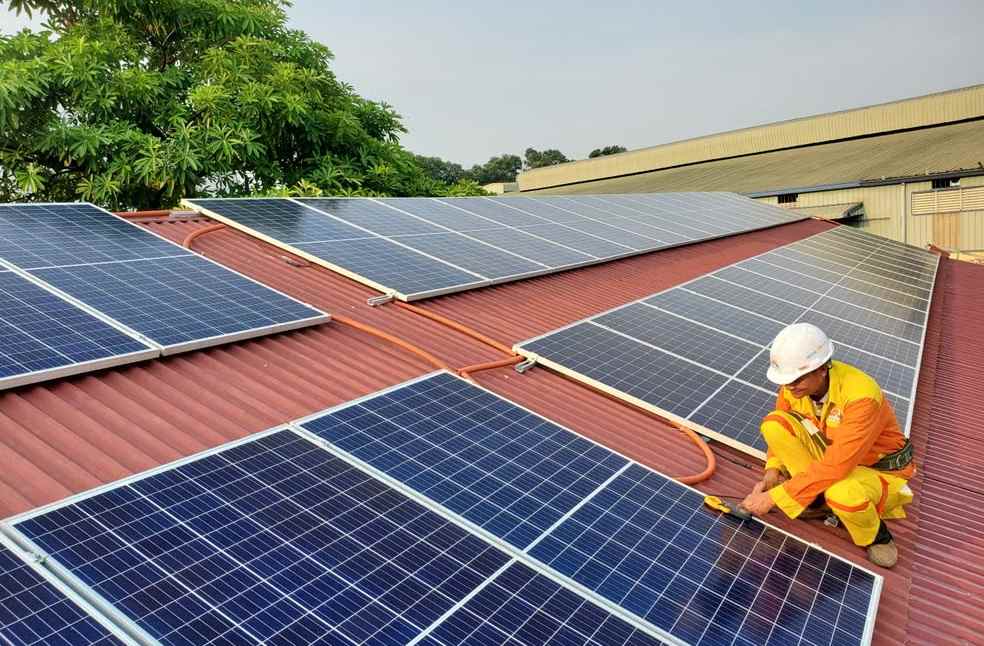
Power shortages have become a growing challenge, with the deficit reaching nearly 4,000 megawatts at its peak in August. Constraints on natural gas supplies, along with difficulties in securing coal, fuel oil and imported liquefied natural gas, have added to pressure on electricity generation.
The rooftop solar programme also seeks to make installations more financially attractive. The cost of electricity generated through rooftop solar has been capped at 8 taka per unit, with the incentive structure including a 20 percent profit margin and an additional premium. Consumers could retain the savings if their systems are installed at a cost below the benchmark used by the programme.
Battery storage is a key part of the initiative because it allows solar-generated electricity to be used after sunset and can help reduce demand on the grid during peak periods. Bangladesh currently has about 1,559 megawatts of renewable energy capacity, with solar accounting for most of the total.
The government hopes wider adoption of rooftop solar will help address immediate electricity shortages while also reducing dependence on imported fuels. The programme is part of a broader effort to strengthen Bangladesh’s energy security and expand renewable power generation over the coming years.
MOST READ | India prepares UPI rollout for AI-powered agentic payments
