


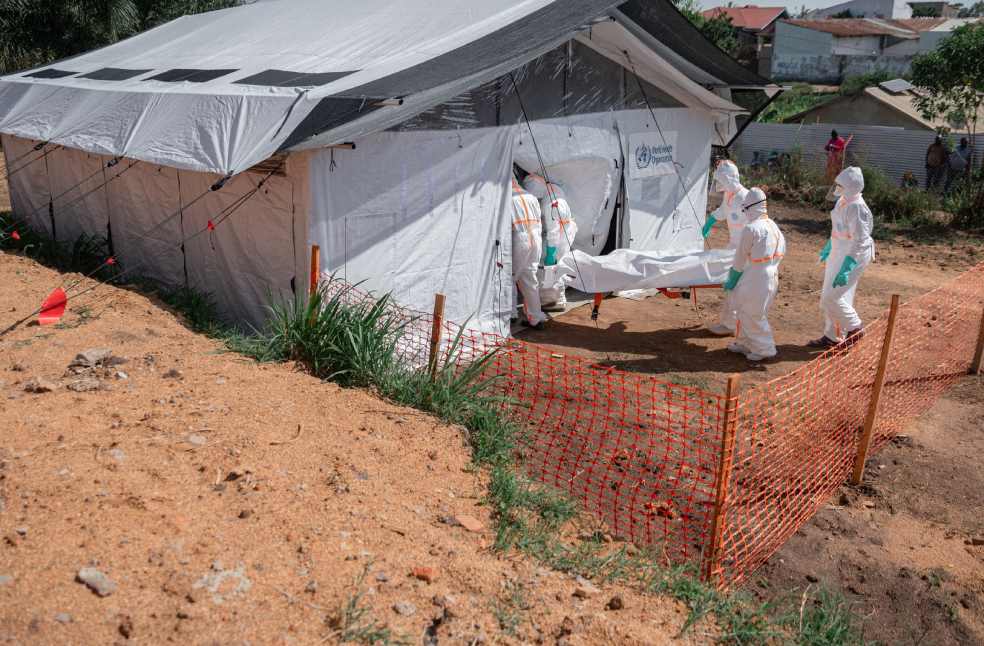
Senegal: The death toll from Democratic Republic of Congo’s Ebola outbreak has surpassed 3,000, government figures showed on Wednesday, as the country’s worst-ever epidemic continues to spread across the northeast.
According to government data, the outbreak has killed 3,007 people, while confirmed cases have reached 6,186. The epidemic is caused by the Bundibugyo species of Ebola, a strain for which there are currently no approved vaccines or treatments specifically targeting the virus.
The outbreak has now become the largest and deadliest Ebola epidemic in Congo’s history, surpassing the 2018-2020 epidemic that previously held both records. The current outbreak is also second only to the devastating West African Ebola epidemic of 2014-2016, which infected more than 28,600 people and killed over 11,000 across Guinea, Liberia and Sierra Leone.
Congo officially declared the latest outbreak in Ituri province on May 15. However, health officials and experts have said the virus may have been circulating since January, raising concerns that infections went undetected for several months before authorities formally identified the outbreak.
Since then, Ebola has spread to six provinces despite containment efforts involving Congolese health authorities, the World Health Organization and international aid organizations. The expansion has placed additional pressure on an already stretched healthcare system and complicated efforts to trace infections and isolate patients.
Health experts have identified several factors that have hampered the response, including weak disease surveillance systems, insecurity and resistance among some communities. These challenges can delay the identification of infected people and prevent patients from reaching treatment centers at an early stage of the disease.
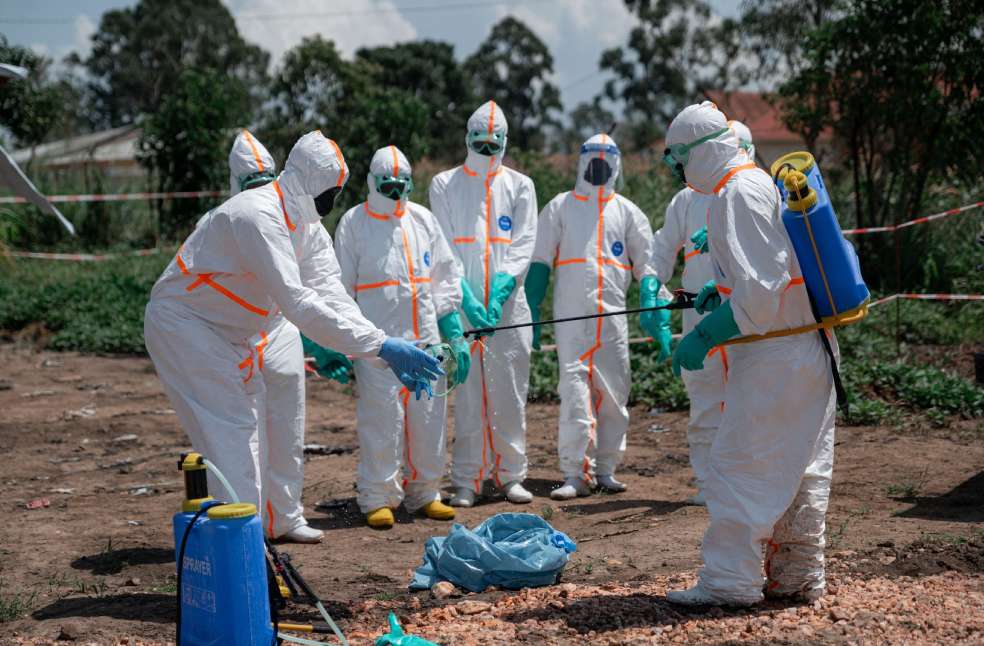
The World Health Organization estimates that around 60 percent of Ebola deaths occur outside treatment centers. The high proportion highlights the difficulty of detecting infections early and ensuring that people with symptoms receive medical attention before the disease becomes severe.
Ebola is a highly contagious viral disease that can cause fever, severe weakness, vomiting, diarrhea and, in serious cases, internal and external bleeding. Transmission can occur through direct contact with the blood or bodily fluids of infected people or through contact with contaminated materials.
The Bundibugyo strain presents an additional challenge because there are no approved vaccines or treatments specifically designed for the species. Several vaccine candidates are being developed, including candidates associated with the University of Oxford and the International AIDS Vaccine Initiative.
Congolese authorities have also begun vaccinating frontline health workers with Merck’s Ervebo vaccine. Ervebo is licensed against the Zaire species of Ebola, rather than Bundibugyo, but health officials believe it could provide some level of cross-protection.
Frontline health workers remain particularly vulnerable because of their close contact with infected patients. Protecting healthcare personnel is also considered important for maintaining treatment and surveillance services as the outbreak expands.
With more than 3,000 deaths already recorded, the outbreak has become a major public health emergency for Congo and one of the most serious Ebola epidemics recorded globally.
ALSO READ | OpenAI hits back at Apple over trade-secret theft allegations
