


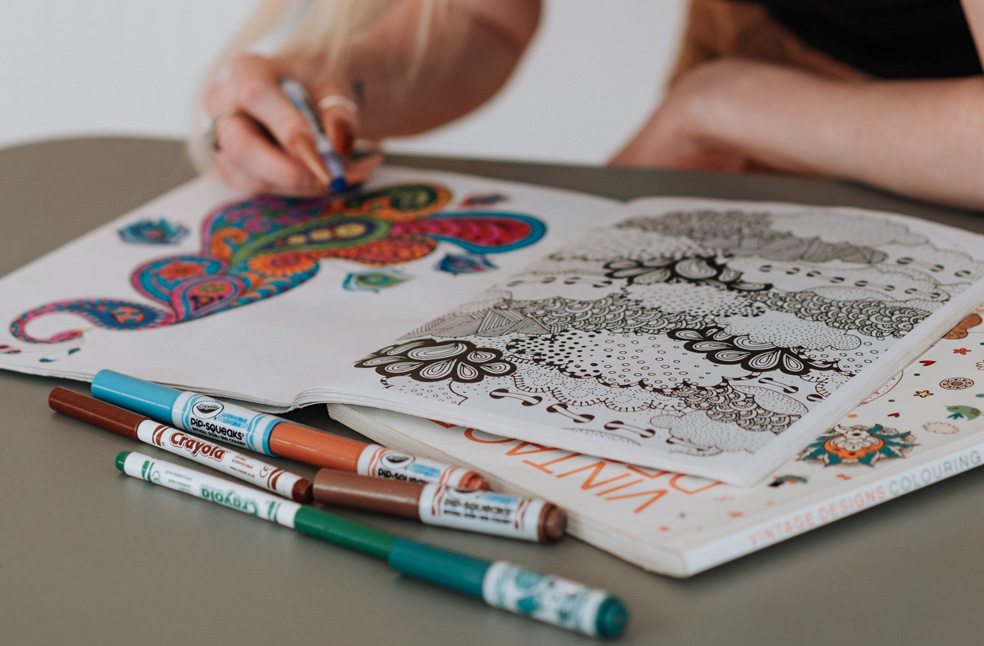
Zentangle has emerged as a simple yet powerful art form that combines creativity with mindfulness. More than decorative doodling, it is a structured drawing method that uses repetitive patterns to promote focus, relaxation, and self-expression.
Unlike traditional art, Zentangle requires no artistic experience, making it accessible to people of all ages. The Zentangle Method was created in 2003 by Rick Roberts and Maria Thomas in Massachusetts, USA.
Maria, a calligrapher and botanical artist, discovered a deep sense of calm while drawing intricate patterns. Rick, who had experience in meditation, recognised similarities between her experience and mindfulness practices.
Together, they developed a simple drawing system that encourages creativity through focused attention. The name combines ‘Zen,’ representing mindfulness, and ‘tangle,’ referring to the structured patterns used in the artwork.
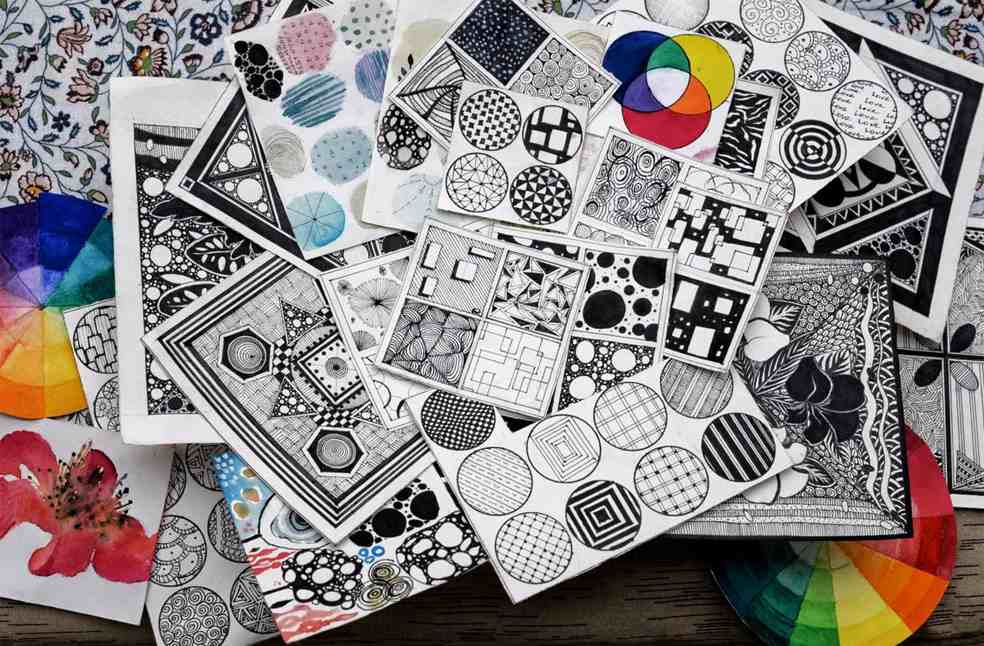
A traditional Zentangle is created on a small square paper tile using a fine-tip black pen and pencil. Artists begin with a border and a free-flowing guideline, then fill each section with repetitive patterns before adding light shading.
One of the method’s core principles is that there are no mistakes; every unexpected line becomes part of the final design, encouraging participants to let go of perfectionism.
The science behind Zentangle
While Zentangle began as an art practice, research suggests it also offers psychological benefits. The repetitive drawing process encourages mindfulness by directing attention to the present moment, similar to meditation.
It also engages fine motor skills, visual processing, pattern recognition, concentration, and creative thinking, providing both mental stimulation and relaxation.
Studies have reported several potential benefits, including:
- Reduced stress and anxiety
- Improved concentration and attention
- Greater emotional regulation
- Enhanced creativity and self-confidence
- Increased mindfulness and overall well-being
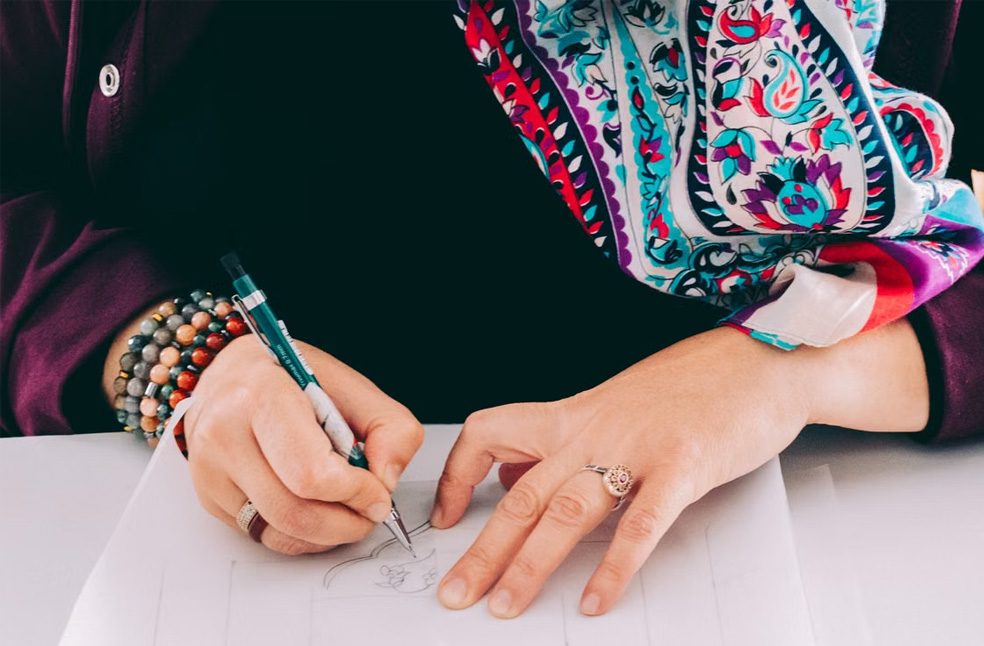
Research involving nursing students, older adults, and healthcare workers has found improvements in mood and reduced stress after regular Zentangle sessions. However, experts emphasise that while findings are promising, Zentangle is not a medical treatment, and larger clinical studies are still needed.
Beyond the art world
The simplicity of Zentangle has led to its adoption in a wide range of settings. Schools use it to improve students’ focus, creativity, and fine motor skills, while hospitals, counselling centres, and community organisations include it in wellness and support programmes. Corporate workplaces have also introduced Zentangle workshops as part of employee well-being initiatives.
Today, the method is practised in more than 40 countries, supported by certified instructors and a growing global community. Its popularity surged during the COVID-19 pandemic, when many people turned to mindful creative activities to manage stress, and it continues to thrive through workshops and social media.
At its core, Zentangle is about slowing down and embracing the creative process rather than striving for perfection. With only a pen, paper, and a few quiet minutes, it offers an accessible way to cultivate mindfulness, reduce stress, and rediscover the joy of creating, one deliberate line at a time.
POPULAR | Healing Notes: Why music is more than just entertainment
