



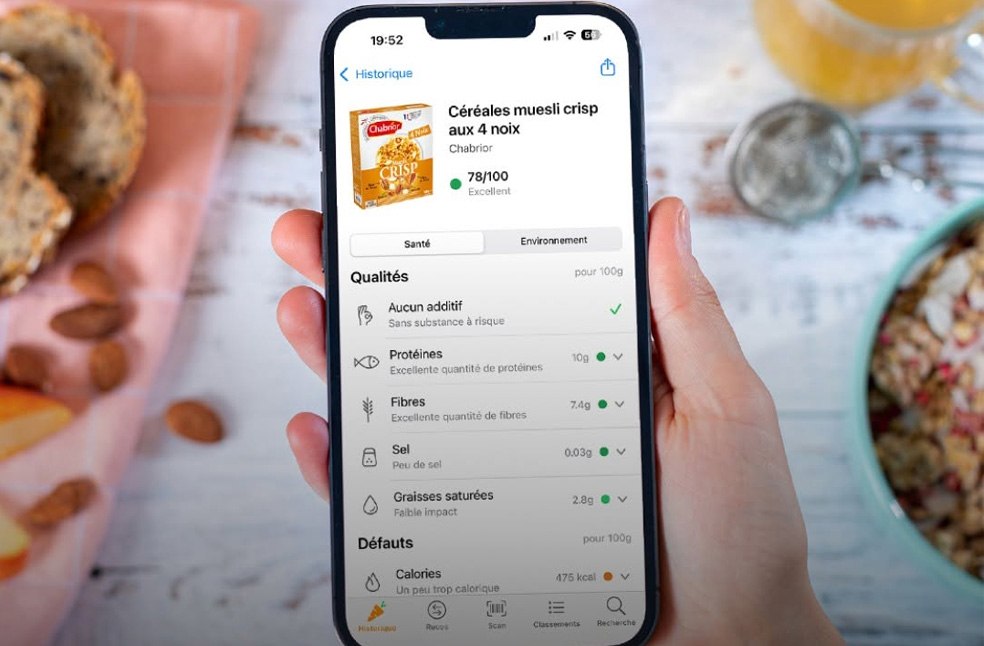
Paris: The French-developed Yuka app is transforming how millions of people shop for groceries by providing instant health ratings for food, cosmetics, and personal care products through a simple barcode scan.
Launched in 2015, Yuka now has more than 85 million users across 12 countries, including several in Europe, the United States, Canada, and Australia. The United States is its largest market with around 28 million users, followed by France with six million and the United Kingdom with approximately five million.
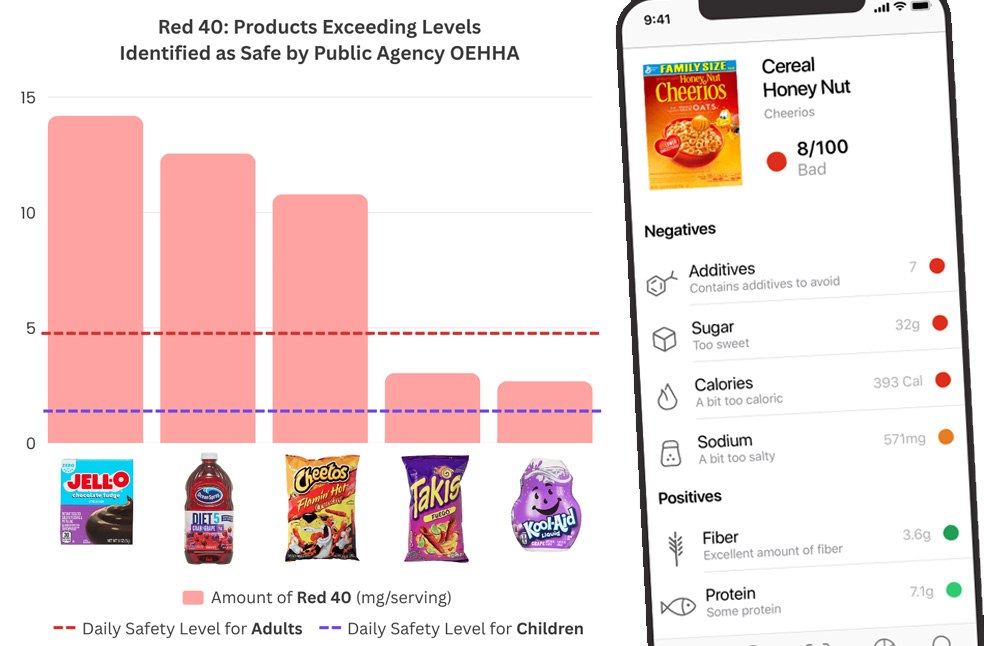
The app evaluates more than six million products, adding around 1,200 new items to its database each day. Using a colour-coded system, it assigns products an overall health score, green for healthier options, yellow for moderate choices, and red for products with poorer nutritional profiles.
Users can also access detailed information about ingredients, additives, and nutritional content, with the app often suggesting healthier alternatives. Yuka forms part of a broader movement in France aimed at improving food transparency.
Open Food Facts and Nutri-Score
In 2012, programmer Stéphane Gigandet launched Open Food Facts, a free, community-driven database that now contains information on more than four million food products worldwide.
Three years later, France introduced the voluntary Nutri-Score front-of-pack labelling system, developed by nutrition researcher Serge Hercberg, to help consumers quickly assess the nutritional quality of packaged foods.
While Nutri-Score is widely used by companies such as Danone and Nestlé, participation remains voluntary, meaning some manufacturers choose not to display the label. Apps like Yuka and Open Food Facts bridge that gap by providing nutritional information and additional details about food additives, many of which are associated with ultra-processed foods.
Experts note that digital tools can support healthier purchasing decisions but are only one part of the solution. Research suggests many consumers have limited time or motivation to analyse product information during routine shopping, while food-labelling systems tend to be used more frequently by higher-income consumers than those most at risk of diet-related health problems.
Unlike many digital platforms, Yuka says it does not generate revenue through advertising, sponsored product rankings, or brand partnerships. Instead, its business model relies on subscriptions to its premium version, with the large user base making the model commercially viable despite a relatively small percentage of paying subscribers.
Yuka red rating
According to a 2024 survey conducted by the company among 20,000 users, 94 percent noted that they decided not to purchase products after receiving a red rating from the app.
The app’s influence is also being felt by food manufacturers and retailers. French supermarket chain Intermarché remarked that it has reformulated more than 3,000 own-brand products since 2017, removing 160 additives in the process.
Around 300 products were updated in 2025 alone, and the retailer began displaying Yuka scores on its online shopping platform in April, highlighting the growing impact of health-rating apps on the food industry.
ALSO READ | Paris region battles major wildfire as heatwave intensifies
