


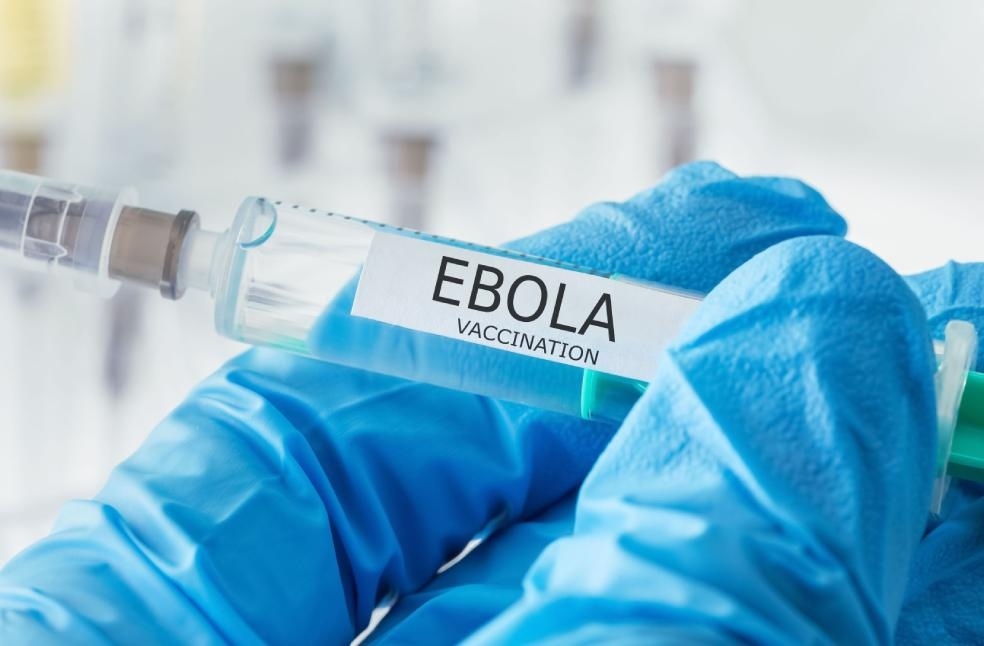
The first participants received the Ervebo vaccine in Bunia, the capital of Ituri province in northeastern DRC, which is at the centre of the outbreak. The vaccine is approved for use against the Zaire strain of Ebola. Researchers will now investigate whether Ervebo also provides cross-protection against the Bundibugyo species.
The DRC declared its 17th Ebola outbreak in May. More than 9,700 cases and over 4,600 deaths have been reported. The WHO declared a public health emergency of international concern, its second-highest alert level. The outbreak was reported in 4 countries across eastern, central and western Africa, marking the widest geographical spread of an Ebola outbreak on the continent.
Known as the Tumaini trial, the study provides a framework for assessing the safety, efficacy and immunogenicity of multiple vaccines. Researchers will use a ring vaccination approach, immunising people identified as high-risk contacts of infected individuals to assess whether vaccination can help prevent further transmission.
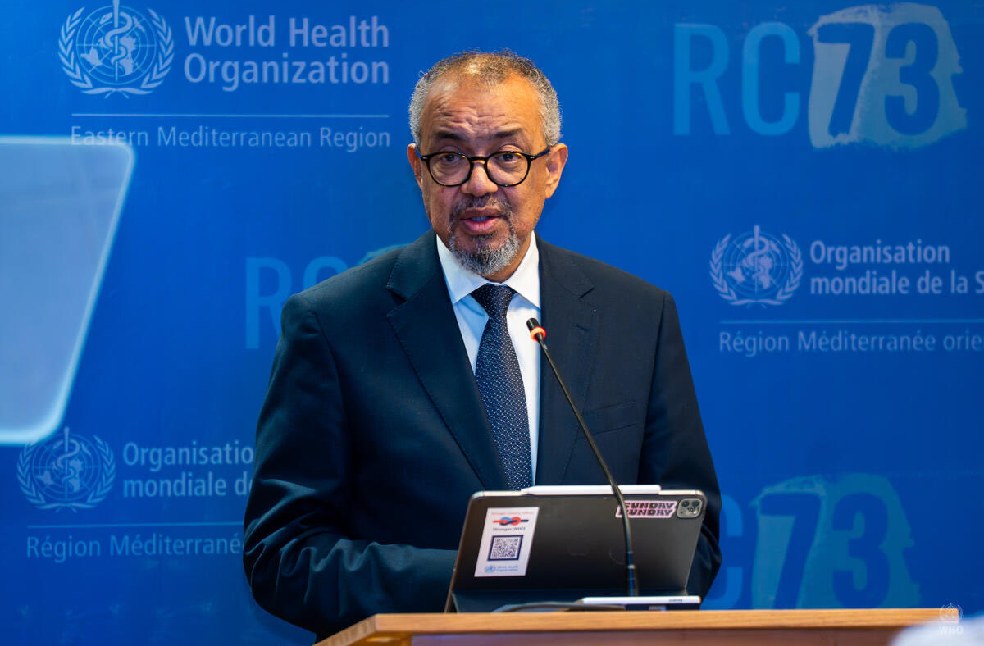
Tedros Adhanom Ghebreyesus, WHO Director-General stated that the trial would help establish whether the vaccine candidates under assessment could protect against the virus. The WHO is supporting the DRC-led initiative to gather evidence that could guide the response and help save lives.
Two experimental vaccines specifically designed for the Bundibugyo strain are also expected to join the trial. One candidate uses ChAdOx1 adenoviral vector technology and is being developed by the University of Oxford. The second is an mRNA vaccine developed by US-based Moderna.
The Coalition for Epidemic Preparedness Innovations (CEPI) has funded both candidates, which are progressing through earlier-stage clinical trials. CEPI noted that the vaccines are expected to enter the Tumaini trial shortly, allowing researchers to assess additional options against the strain responsible for the outbreak.
The trial will include pregnant women and children aged 12 years and older, providing evidence from groups often excluded from clinical research. The findings are expected to help determine the potential role of these candidates in controlling future Bundibugyo Ebola outbreaks.
TRENDING | Microsoft develops AI system for step-by-step medical diagnosis