


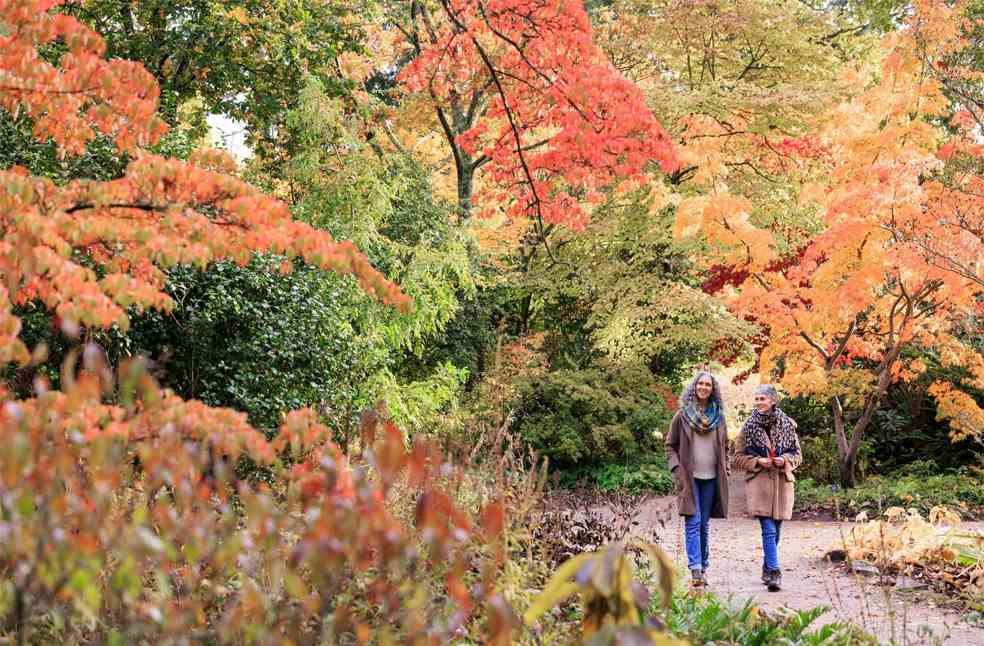
London: Drought and extreme summer heat are changing the UK’s autumn season, causing trees to lose their leaves earlier than usual and affecting the colours traditionally seen across gardens and woodlands.
At Wisley Garden in Surrey, south-east England, several drought-sensitive tree species, including birch, beech and sycamore, had shed much of their foliage by mid-October. Birch trees, which usually display bright yellow leaves in autumn, have lost their canopy early, leaving their pale bark exposed.
The phenomenon, known as a ‘false autumn,’ occurs when extreme heat and dry conditions stress trees, prompting them to shed leaves prematurely to reduce water loss. This disrupts the natural seasonal cycle, which is normally influenced by shorter daylight hours, cooler nights and sufficient soil moisture.
The UK experienced its hottest summer on record in 2026, while most of England and Wales remained in drought. Six areas of England were declared in severe drought in October, with river and reservoir levels running low.
Trees with shallow root systems are particularly vulnerable because they cannot access deeper groundwater when surface soil dries out. Deep-rooted species, such as oak, have generally coped better with the extreme conditions.
Despite the early leaf fall, Wisley Garden continues to display vibrant autumn colours, including shades of red, amber and purple. However, the drought has affected the timing and intensity of the seasonal display, with some trees reaching their colour peak earlier than expected.
The autumn colour peak, which historically occurs towards the end of October or in November, may be shorter in drought-affected areas.
Strong winds associated with Storm Austen have also raised concerns about damage to trees already weakened by heat and drought. Experts have warned that high winds linked to El Niño could further affect stressed trees.
The changing conditions are influencing future planting plans at Wisley Garden. Horticulturists are considering more resilient species that can withstand both hot, dry summers and occasional severe winter cold. These include liquidambar, Lebanon cedars and swamp cypresses.
Trees such as beech and birch may become less common in exposed locations, although they could continue to grow in sheltered or damper areas. As climate conditions evolve, the distribution, lifespan and appearance of familiar tree species are expected to change, reshaping the UK’s autumn landscape.
ALSO READ | MPs slam NHS plan for Mounjaro weight-loss treatment