



Boston: The study published on October 22, 2026, found that Microsoft’s AI diagnostic tool was more than twice as accurate as general physicians in solving complex medical cases.
The system uses an AI orchestrator to organise the diagnostic process and coordinate a simulated panel of clinical experts. Rather than assessing all symptoms, laboratory results and medical images at once, the tool determines which questions to ask about a patient’s medical history and which examinations or tests could help identify the condition.
Harsha Nori, head of AI at Microsoft AI Health, stated that the research assessed more than the accuracy of AI systems. It also examined how carefully the tool selected and carried out each stage of a diagnostic work-up.
In this work, we evaluate AI systems on their ability to do true end-to-end diagnosis.
Starting with the patient’s chief complaint, AI needs to ask questions, decide what laboratory and imaging tests to order, and then continue the evaluation on the basis of the answers received https://t.co/dSNXB8iN97
— Harsha Nori (@HarshaNori) October 22, 2026
The study further indicated that diagnostic work-ups cost less when planned by the AI orchestrator than when human doctors designed the process. The findings suggest that AI could support clinical decision-making by helping organise investigations and identify the most relevant information needed to reach a diagnosis.
In tests involving more than 300 unusual and difficult medical cases, the AI system outperformed general physicians who relied on textbooks and internet resources. Researchers also found that the tool performed better than human doctors when evaluating scenarios drawn from a major database of emergency department admissions.
The researchers are preparing to test the system in a real-world emergency care setting. In collaboration with Beth Israel Deaconess Medical Center in Boston, the team plans to evaluate the tool’s ability to triage patients in emergency department waiting rooms.
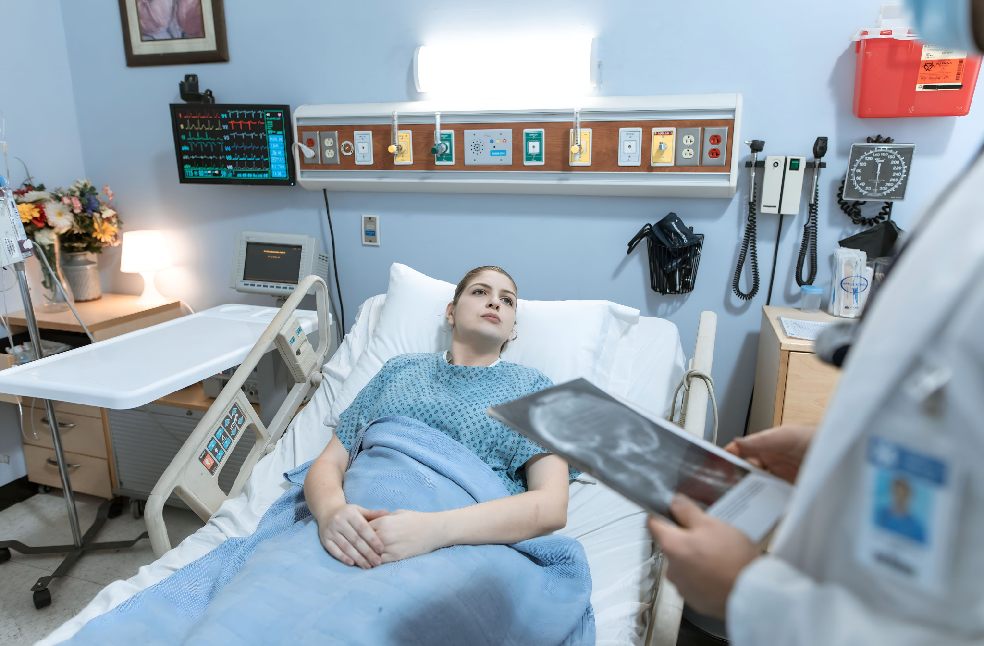
This approach aims to replicate how doctors investigate a medical problem before reaching a diagnosis. The orchestrator decides what information is needed at each stage and guides the next steps based on the findings.
The next stage will assess whether the AI system can help determine the urgency of patient’s needs before a doctor sees them. The planned trial will provide further evidence about its potential role in clinical settings.
Although the study reported stronger performance in the cases examined, the findings do not establish that the tool can replace doctors in routine medical practice. Testing its effectiveness in emergency departments will help researchers understand how well the step-by-step approach works in actual patient care.
ALSO READ | US green card curbs raise concerns for Indian tech workers