


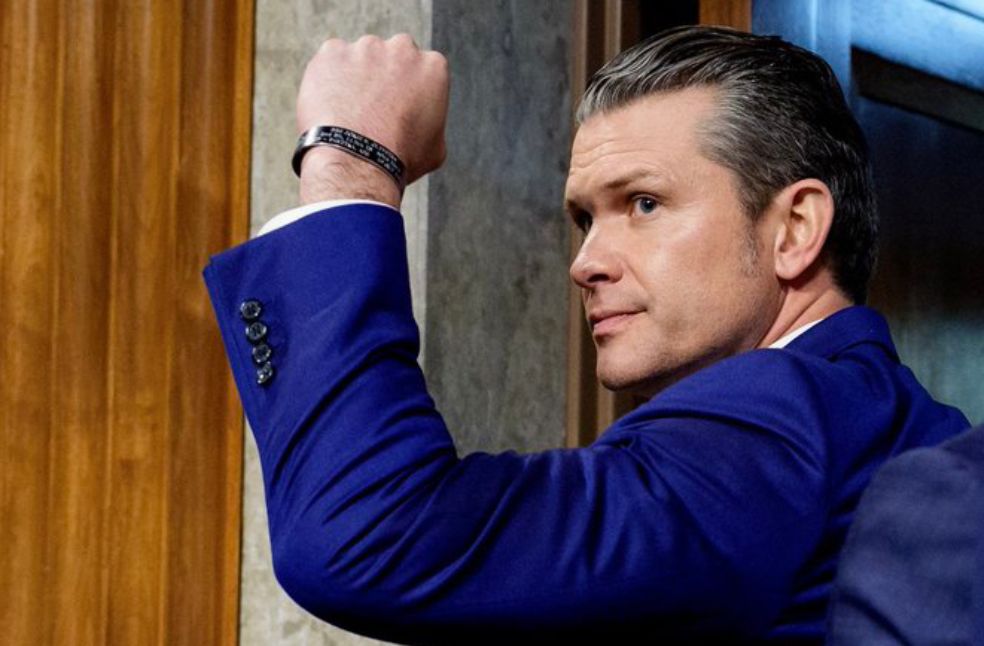
Washington: The US Department of Defence will begin mandatory testosterone deficiency screenings for active-duty and reserve military personnel aged 30 and older as part of annual health examinations, Defence Secretary Pete Hegseth has announced.
In a video shared on X, Hegseth said the initiative is designed to ensure service members maintain optimal health and performance throughout their military careers. Describing the programme as a step toward improving long-term wellbeing, he said the goal is to help troops remain ‘strong, resilient and capable’ during service and after retirement.
Under the new policy, military personnel aged 30 and above will automatically undergo testosterone screening during routine annual health checks. Those found to have clinically low testosterone levels will be offered voluntary hormone replacement therapy under medical supervision. Personnel younger than 30 may also request testing on an optional basis.
Secretary Hegseth’s Warfighter Performance Optimization is a powerful commitment to keeping our warfighters strong and healthy.
They deserve leadership focused on building unbreakable bodies and minds.
Testosterone levels of warfighters 30 years old and above will be tested… https://t.co/F2OZ3uvZzL
— Sean Parnell (@SeanParnellASW) July 15, 2026
Pentagon spokesperson Sean Parnell confirmed the policy takes effect immediately for all active-duty and reserve forces aged 30 and above. He said the screening programme will establish a comprehensive health baseline while allowing the department to provide targeted treatment when medically appropriate, supporting a healthier and more capable fighting force.
Hegseth stressed that the programme is focused solely on legitimate medical treatment and not on performance enhancement. The use of testosterone without a medical prescription remains prohibited within the US military.
The Pentagon has not clarified whether the screening programme will include female service members or whether hormone therapies related to menopause or perimenopause will be offered. When asked about testing for women and possible oestrogen-based treatment, Pentagon officials declined to provide additional details.
The announcement has drawn mixed political reactions. Democratic Senator Tammy Duckworth, an Iraq War veteran and member of the Senate Armed Services Committee, urged the Pentagon to make hormone screening available to both male and female personnel. Meanwhile, Democratic Congresswoman and Air Force veteran Chrissy Houlahan criticised the move, describing it as another politically motivated initiative.
Medical experts say testosterone screening can help identify underlying health concerns when used appropriately. Dr. Mohit Khera, a professor of urology at Baylor College of Medicine who previously led an FDA expert panel on testosterone use in the military, said low testosterone can affect muscle strength, energy levels, bone health and mental wellbeing. However, he cautioned that hormone therapy should only be prescribed for individuals with confirmed deficiency and related symptoms.
Dr. Khera also warned that testosterone therapy carries potential risks, including infertility in younger men and a possible increase in cardiovascular risk, making careful medical evaluation essential before treatment begins.
The policy comes as the administration has sought to expand access to testosterone therapy nationwide. US Health Secretary Robert F. Kennedy Jr. has advocated reducing prescribing barriers, arguing that testosterone treatment could help address broader men’s health and fertility concerns. The US Food and Drug Administration has also recently proposed easing prescribing restrictions and updating product labelling for testosterone replacement therapies.
POPULAR | Urban Gardening: How to grow fresh food in small spaces
