


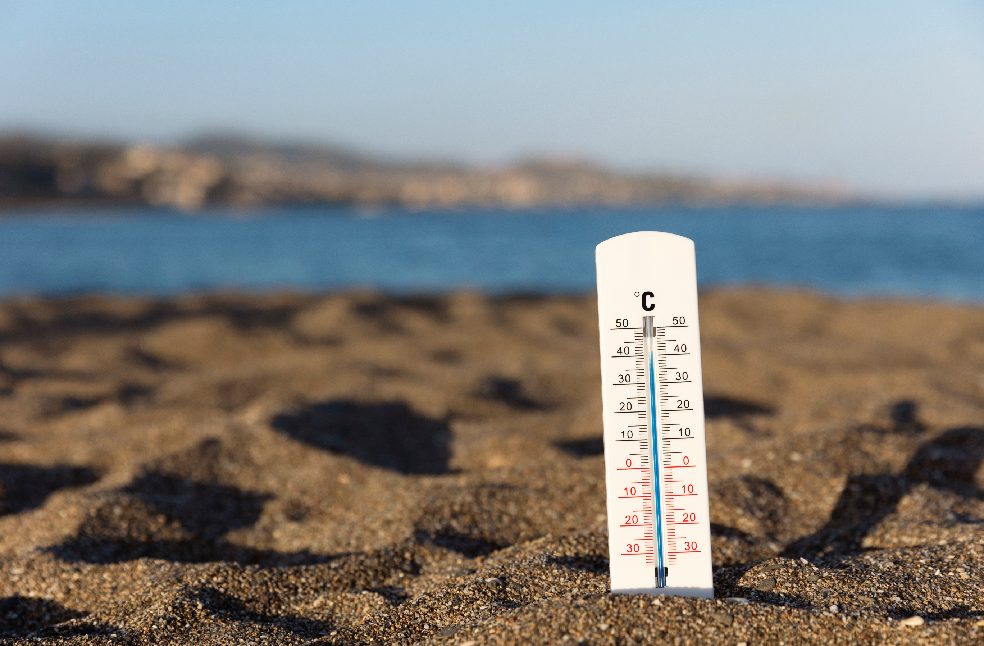
Singapore: The global temperature rise is expected to pass the key 1.5C threshold within a few years, according to a warning from the United Nations Environment Programme (UNEP).
UNEP stated that bringing global temperature rises back below 1.5C remains possible but highly uncertain. Achieving that outcome would require rapid cuts in emissions. It would also require measures to remove carbon dioxide that has already accumulated in the atmosphere.
According to a new UNEP report, an overshoot of the 1.5C threshold has now become extremely likely. Countries therefore need to focus on limiting the length of time global temperatures remain above the threshold.
Global warming is set to cross 1.5°C, pushing climate risks and impacts to increasingly dangerous heights, a new UNEP report warns.
Predicted impacts include extreme weather and threats to human health and economies.
Action now can still limit the magnitude and duration of… pic.twitter.com/YGrAUaoEuT
— UN Environment Programme (@UNEP) September 2, 2026
Governments committed under the 2015 Paris Agreement to keeping global temperature rises within 1.5C above pre-industrial levels. The target has been set to limit the impacts of extreme weather and reduce the wider risks associated with climate change.
UNEP warns that every year of delayed action will increase climate risks. Every additional fraction of a degree above 1.5C will also make recovery harder. Some losses could become irreversible even if global temperatures decline at a later stage.
The most optimistic scenario outlined in the report would see global warming peak at 1.8C above pre-industrial levels if all existing national pledges are implemented. However, UNEP remarked that the eventual increase is likely to be much higher.
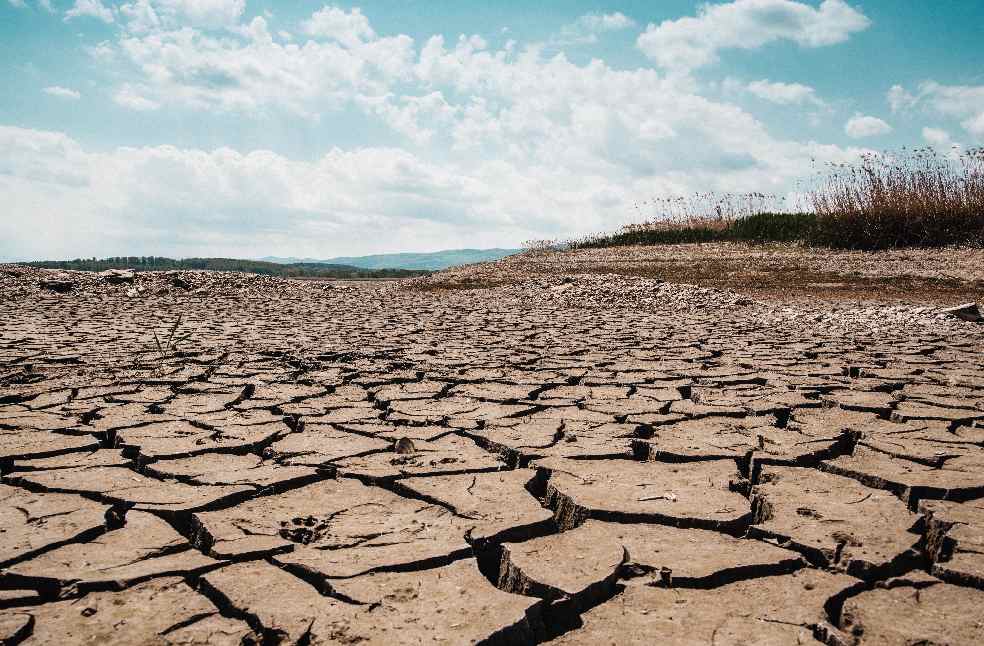
Under current policies, median projected global warming is expected to reach around 2.6C by 2100. The projection highlights the gap between existing policies and the level of action required to limit long-term temperature increases.
UNEP has also identified carbon dioxide removal as a critical part of efforts to control rising temperatures. Measures include planting new forests and other interventions designed to remove carbon dioxide from the atmosphere.
The environmental body has stressed that carbon removal cannot replace deep cuts in current emissions. Rapid reductions in greenhouse gas emissions remain essential to limit the duration and scale of any 1.5C overshoot.
YOU MAY LIKE | Indonesia wildfire battle intensifies as El Niño peaks sharply
