



London: UK lawmakers have called for a new law on artificial intelligence (AI) after warning that existing legislation is not equipped to deal with the growing human rights risks linked to the technology.
The Joint Committee on Human Rights (JCHR), a cross-party committee made up of MPs and peers, published a report calling for a new AI Bill to address what the committee considers the scale and seriousness of the risks.
Examples highlighted include the creation of sexualised images of women and girls and the scanning of people’s faces without consent. The report also raises concerns about AI systems developing biases against particular groups when trained on large datasets containing racist, sexist or other harmful material.
The committee also warned that AI can be used to create and spread misinformation. JCHR argued that the existing legal framework is fragmented and difficult to navigate. The committee says this has left gaps in protection.
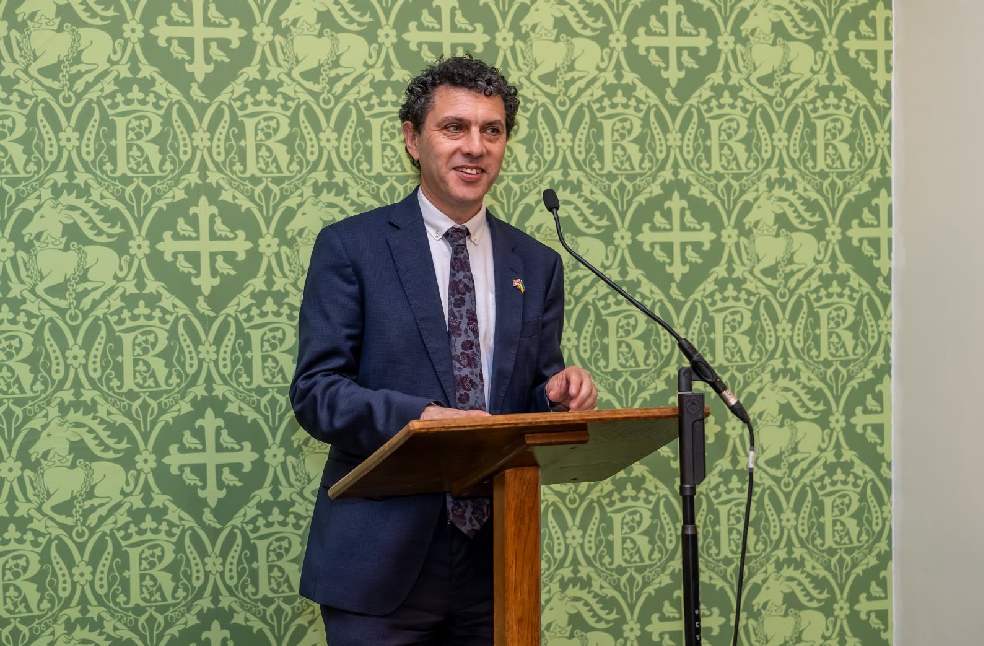
Alex Sobel, Labour MP and JCHR chair noted that the UK and other countries do not yet have a legislative or regulatory approach to AI that is adequate for its current challenges. The committee’s 100-page report says AI was already linked to various human rights abuses.
The proposed AI Bill would introduce different regulatory requirements based on the level of risk posed by AI systems and models. Higher-risk technologies would face stronger obligations. The rules would cover the full AI lifecycle and place responsibilities on those involved in designing, modifying and using AI systems.
JCHR also called for a single independent AI oversight body established by law. Some AI applications should be prohibited altogether where use is considered incompatible with human rights. Potential areas include subliminal techniques and inappropriate use of profiling or biometric data.
The report comes as international debate over AI regulation grows. Dario Amodei, Anthropic chief proposed global and industry-wide regulation alongside independent monitoring of AI models. Amodei also called for a slower pace of development. Sam Altman, OpenAI chief and Elon Musk have expressed agreement with the proposal.
MOST READ | Indonesia steps up search for 140 missing ship passengers
