


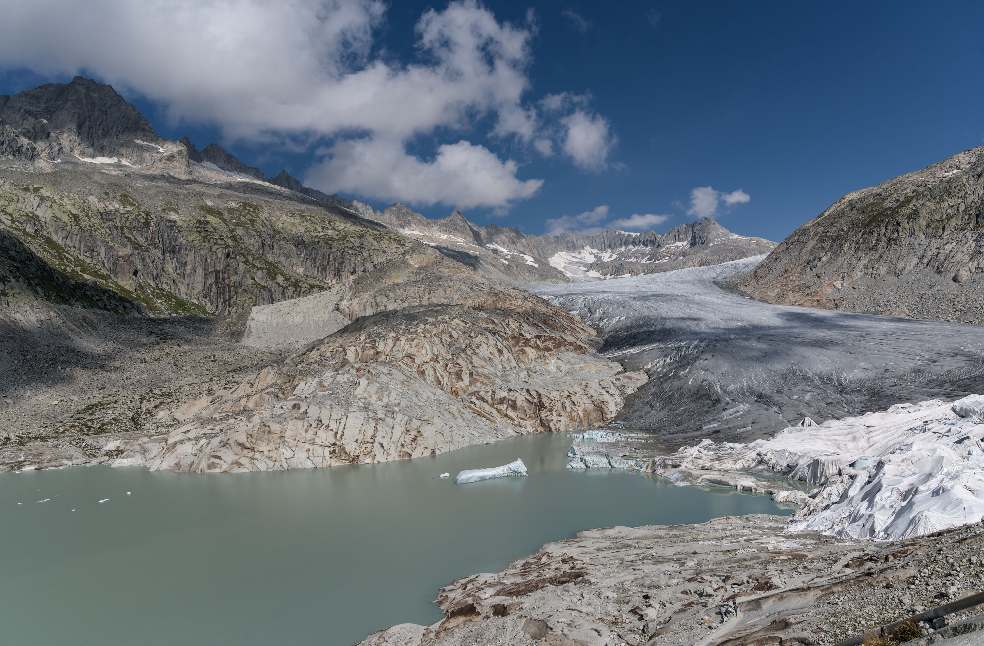
New Delhi: Himalayan glacier melt is accelerating and could pose growing risks to India’s economy as glacial lakes become less stable and monitoring remains limited.
A new report by global consultancy Systemiq has found that Himalayan glaciers are losing mass 65 percent faster than a decade ago. The research was produced with the Integrated Mountain Initiative and received technical contributions from the International Centre for Integrated Mountain Development (ICIMOD) and the GB Pant National Institute of Himalayan Environment.
The scale of the monitoring gap has raised further concerns. Only about 21 of an estimated 40,000 glaciers across the Himalaya-Karakoram region are being monitored in detail on a sustained basis.
Glacier retreat can create larger lakes that are held back by unstable deposits of rock and ice. Rising temperatures are also affecting permafrost and high mountain slopes. These changes can increase the risk of cascading disasters.
The report says about 18 percent of India’s land is Himalayan territory. Yet the region accounts for around 35 percent of disasters. The Indian government told Parliament in July that 56 glacial lakes had been classified as very high risk after a 2025 assessment of 189 high-risk lakes. The Central Water Commission is monitoring 2,485 glacial lakes larger than 10 hectares across India’s Himalayan river basins.
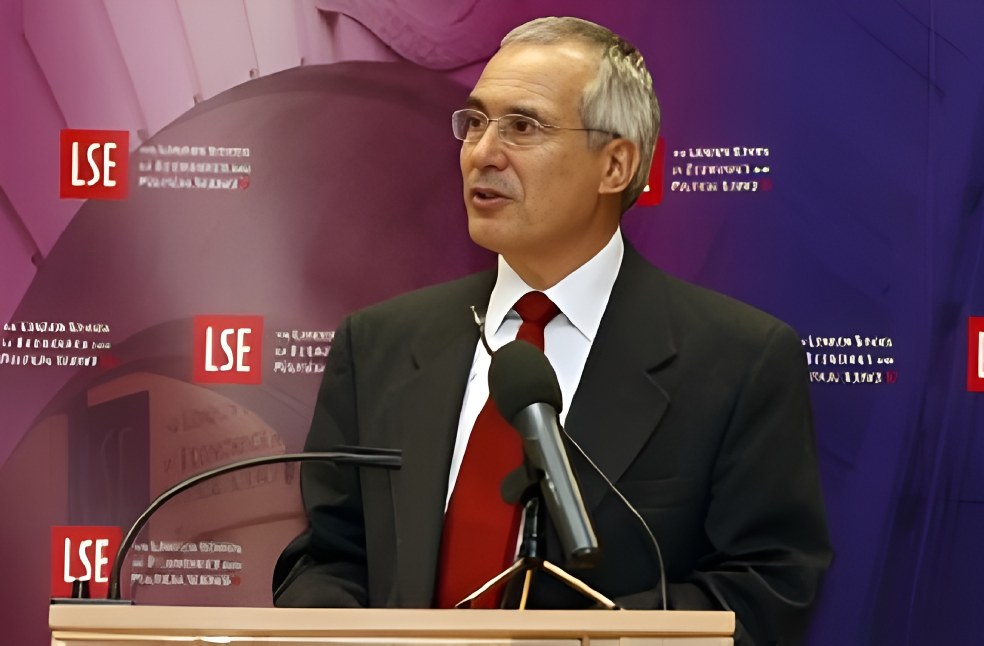
Lord Nicholas Stern, Economist , Chair of the Grantham Research Institute on Climate Change and the Environment at the London School of Economics warned that the Himalayan system is approaching a tipping point. The report therefore calls for cross-border monitoring and shared risk information alongside joint investment in resilience to protect communities and economies across South Asia.
Previous disasters have shown the danger as glacial lake outburst flood in Sikkim in 2023 killed at least 70 people and damaged roads, bridges and hydropower projects. A similar disaster in Uttarakhand in 2021 killed more than 200 people.
Himalayan water supports around 20 percent of India’s GDP through sectors including wheat, rice, tea, hydropower and pilgrimage-related activity. Mountain states capture only about 5 percent of this value, according to the research.
ICIMOD expects most Hindu Kush Himalayan river basins to reach peak water around mid-century. This marks the point when glacier runoff reaches its maximum before declining as ice reserves shrink.
The report also identifies black carbon as a major factor that can be addressed locally. Around a third of Himalayan glacier melt is estimated to be driven by black carbon. Brick kilns in the plains are a major source. Soot on snow and ice absorbs sunlight and speeds up melting.
The research recommends 10 priority transitions, which includes stronger glacier monitoring, improved early-warning systems and better disaster preparedness. It also calls for a new approach to mountain tourism. The Indian Himalayan region receives about 400 million tourist visits a year and researchers argue that greater value should be retained and reinvested locally.
POPULAR | Hyundai sets 2029 target for in-house driver-assist system
