



Tokyo: Tropical Storm Jangmi swept across Japan, bringing powerful winds, heavy rainfall and widespread disruption to transport networks and businesses. Authorities warned residents to remain vigilant as the storm moved northeast along the Pacific coast, passing close to some of the country’s most densely populated regions.
According to the Japan Meteorological Agency, the storm’s centre was located about 150 kilometres south of Tokyo during the afternoon, carrying maximum sustained winds of up to 25 metres per second.
Officials warned that severe weather conditions could continue to affect eastern Japan, increasing the risk of flooding, landslides and damage to infrastructure. The storm left nearly 60,000 households without electricity after strong winds damaged power lines and utility infrastructure.
Authorities also reported flooding in several areas, fallen trees blocking roads and scattered debris caused by the intense weather conditions. At least 15 people sustained minor injuries as emergency services responded to storm-related incidents.
Evacuation advisories were issued for hundreds of thousands of residents across eight prefectures in southwestern, central and eastern Japan. Government officials urged people living in vulnerable areas to move to safer locations if they felt at risk. Residents were also advised to closely monitor weather updates and follow emergency instructions issued by local authorities.
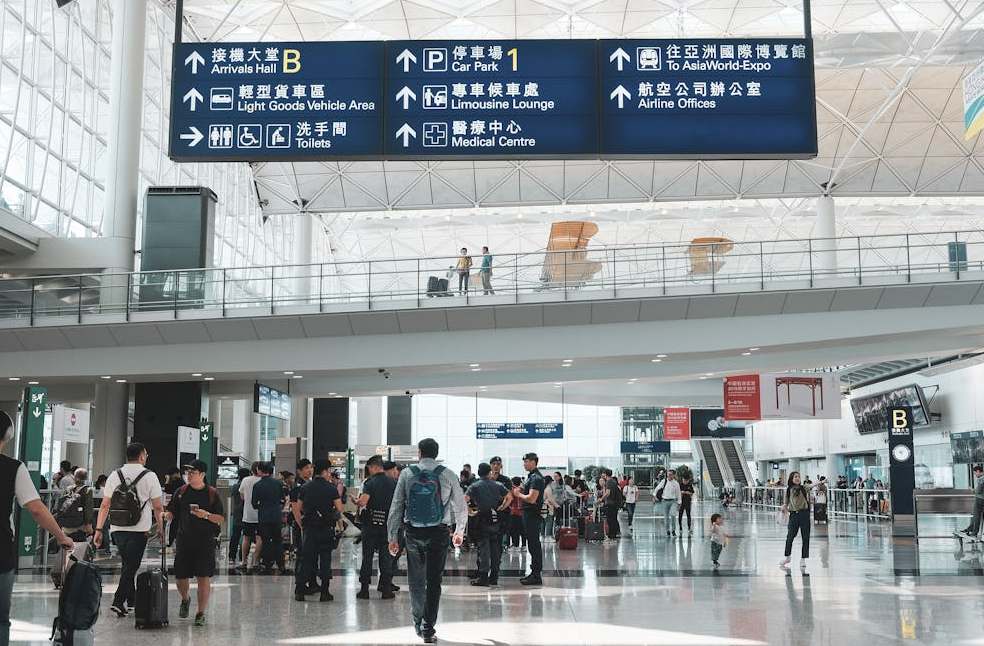
Transportation services across the country were heavily affected. Major carriers including Japan Airlines and All Nippon Airways cancelled nearly 900 domestic and international flights, disrupting travel plans for approximately 90,000 passengers. Rail services also faced delays and suspensions, including bullet train operations in parts of western Japan and commuter services around Tokyo.
The storm also impacted manufacturing operations. Toyota Motor Corporation temporarily suspended production at several domestic plants before later announcing plans to resume operations. Suzuki Motor Corporation also halted production at its factories in Shizuoka Prefecture due to the severe weather.
Although the storm is expected to continue moving away from the country, authorities remain concerned about the potential for further flooding and landslides in affected areas. Emergency teams remain on standby as residents begin assessing the damage caused by one of the strongest storms to hit Japan this season.
TOP PICKS | DR Congo reopens airport at centre of Ebola outbreak
