


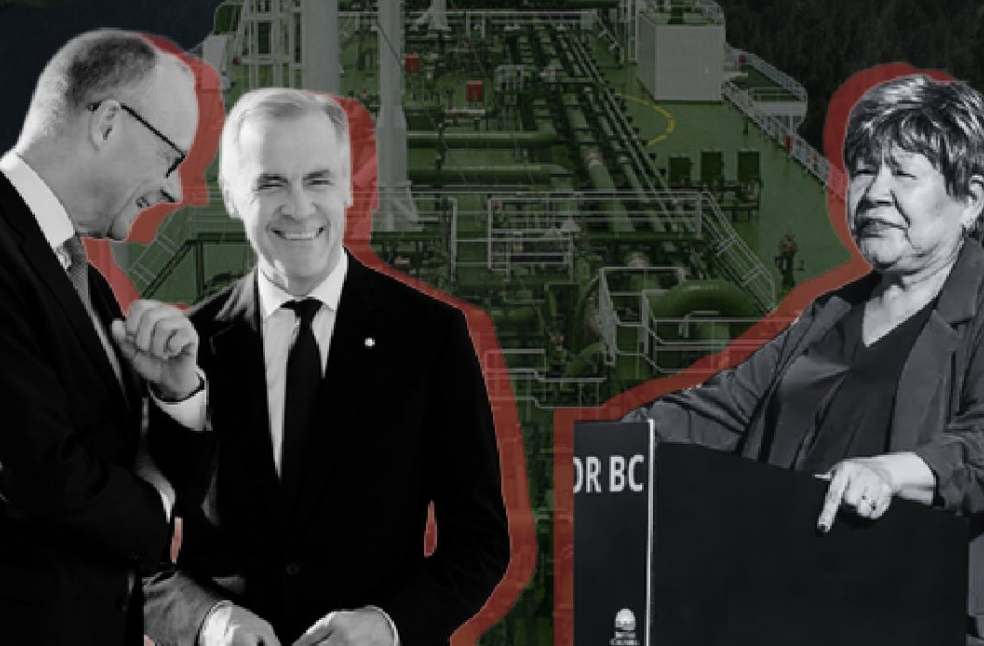
Vancouver: Canada has announced a major long-term energy agreement with Germany that will see the first-ever sustained shipments of liquefied natural gas (LNG) from Canada to Europe, marking a significant shift in transatlantic energy trade.
The deal, unveiled in Vancouver by Canada’s energy minister Tim Hodgson, will involve the export of around one million tonnes of LNG per year from the proposed Ksi Lisims LNG project in British Columbia to Germany’s state-linked utility Securing Energy for Europe (SEFE). Shipments are expected to begin in the early 2030s and continue for up to 20 years.
Hodgson called the agreement ‘an exciting and important milestone,’ framing it as a sign of growing global trust in Canada as a stable energy supplier.
Energy security push in Europe
The agreement comes as European countries continue to restructure their energy supply chains following disruptions caused by Russia’s invasion of Ukraine. Germany, in particular, has been actively seeking long-term alternatives to Russian fossil fuels to ensure stable imports.
Canadian officials also described the deal as part of a broader strategy to reduce reliance on the United States, which currently accounts for nearly all of Canada’s LNG exports.
Ksi Lisims project moves forward
The exports will be sourced from the proposed Ksi Lisims LNG project in northwestern British Columbia, which remains pending a final investment decision.
Government officials say the German commitment strengthens the case for financing and could accelerate construction timelines. Hodgson indicated that he expects funding decisions within months once confidence from buyers is secured.
Canadian Prime Minister Mark Carney has previously identified the project as strategically important and has supported efforts to fast-track its regulatory review.
Indigenous and environmental opposition
Despite government backing, the project faces sustained opposition from environmental and Indigenous groups. Critics argue the development could carry significant ecological risks and faces unresolved legal challenges.
Groups such as Environmental Defence have called the project a ‘high-risk, legally contested fossil fuel development,’ questioning its long-term viability and financing prospects. Some First Nations groups have also initiated legal action, although others, including the Nisga’a Nation, support the project, citing economic development opportunities for their communities.
Political and climate tensions in Canada
The announcement comes at a politically sensitive moment for Canada’s governing Liberal Party, which is facing internal divisions over climate and energy policy. Fourteen Liberal MPs recently expressed concern about what they describe as a weakening of environmental commitments, while former environment minister Steven Guilbeault announced his resignation from caucus, citing a desire to pursue new directions in his career.
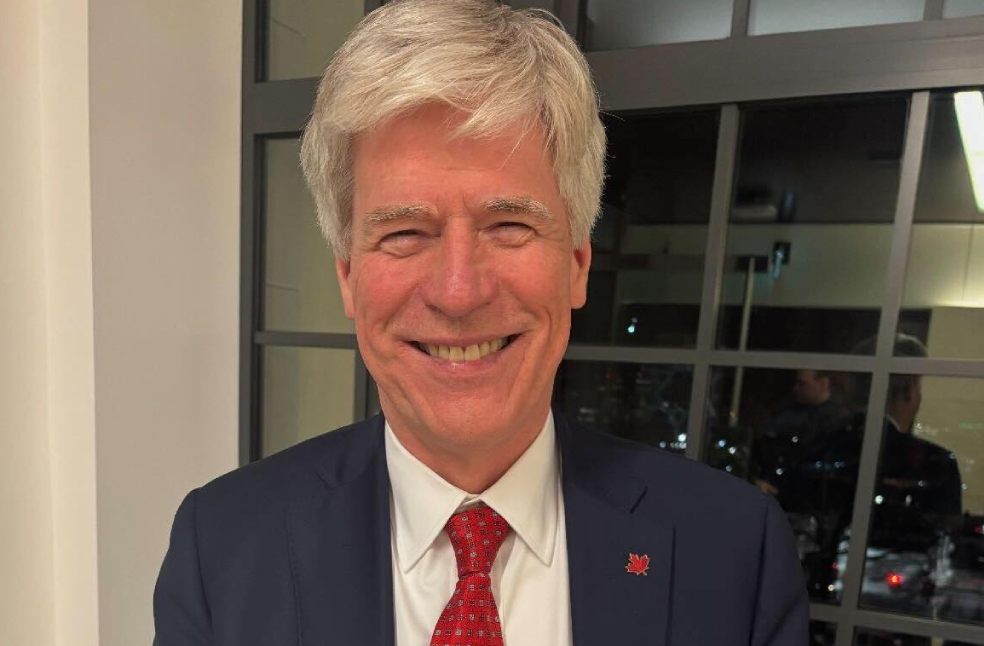
In response, Hodgson defended the government’s approach, describing it as a ‘big tent’ political movement that balances differing perspectives while pursuing economic growth and energy security.
Defence procurement shift also announced
Separately, Prime Minister Carney announced that Canada will procure early warning aircraft technology from Sweden instead of US suppliers, part of a broader effort to reduce reliance on American defence equipment. Carney has previously said Canada aims to diversify its military procurement, arguing that the days of our military sending 70 cents of every dollar to the United States are over.
The LNG agreement with Germany is being hailed by officials as a strategic breakthrough in Canada’s energy diplomacy, though it remains surrounded by environmental debate and regulatory uncertainty as the Ksi Lisims project moves toward potential approval.
POPULAR | Dormitory fire at Gilgil Boarding School claims 16 lives
