


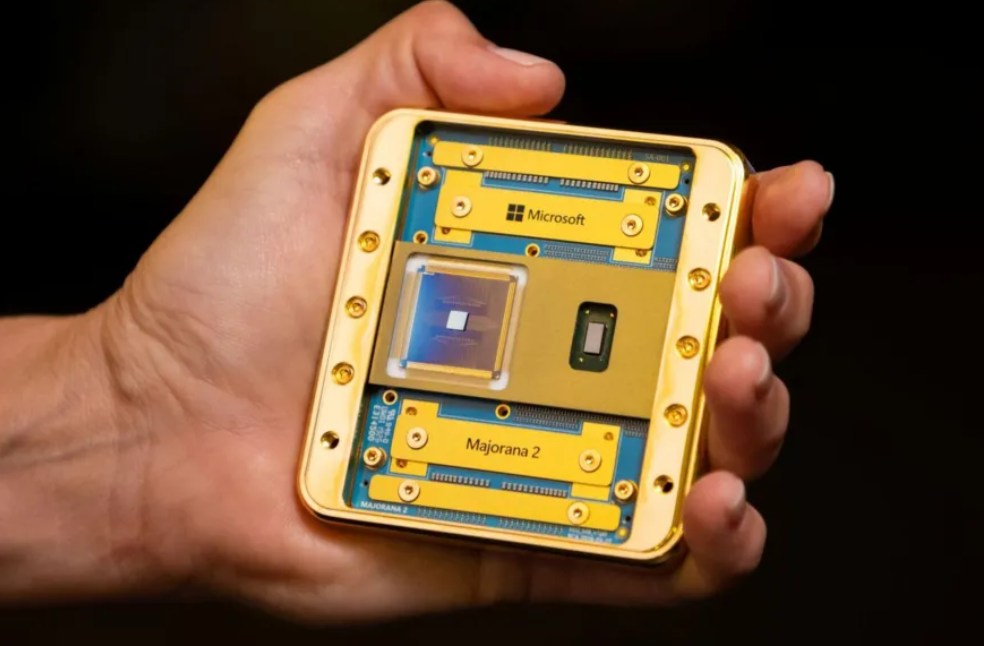
Redmond: Microsoft has unveiled its latest quantum computing chip, Majorana 2, claiming it is 1,000 times more reliable than its predecessor and could accelerate the development of commercially useful quantum computers.
The company says the new chip significantly improves the stability of qubits, the fundamental building blocks of quantum computers. While traditional computers process information using binary bits, quantum computers use qubits that can exist in multiple states simultaneously, potentially enabling them to solve highly complex problems far beyond the capabilities of today’s machines.
According to Microsoft, qubits on the Majorana 2 chip can remain stable for an average of 20 seconds, compared with only milliseconds on the previous generation. The company describes this leap in reliability as comparable to a smartphone battery lasting years instead of requiring daily charging.
Microsoft believes the breakthrough could pave the way for a practical quantum computer capable of solving commercially valuable problems by 2029. However, significant challenges remain. The current Majorana 2 chip contains just 12 qubits, while a fully functional large-scale quantum computer would require millions of highly stable qubits operating together.
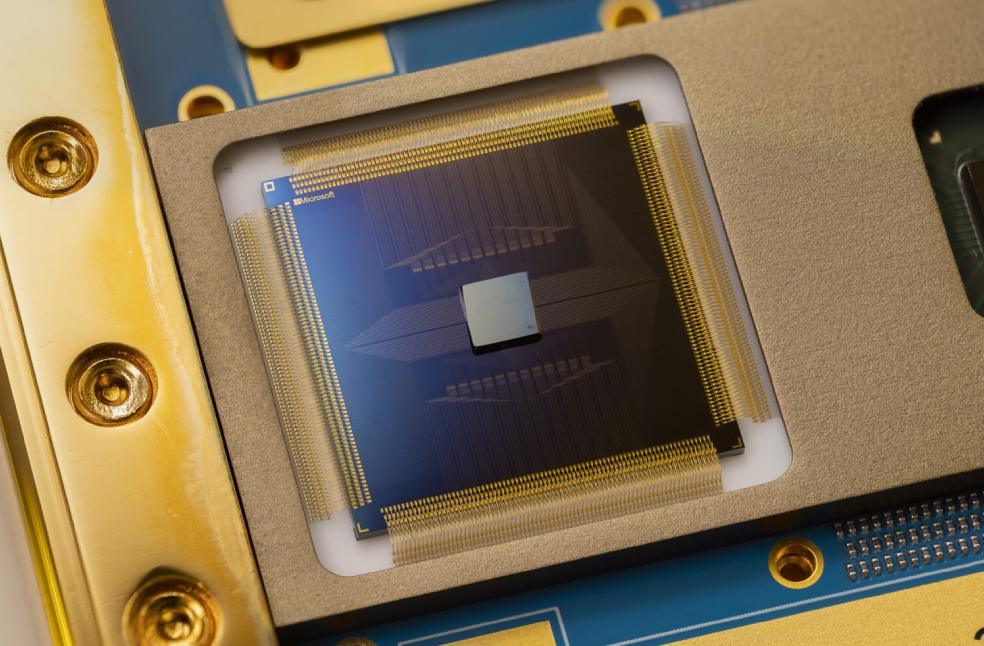
The technology is based on Microsoft’s long-term research into topological quantum computing, an approach built around the theoretical Majorana particle first proposed by Italian physicist Ettore Majorana in the 1930s. Microsoft has spent more than two decades pursuing this method, despite scepticism from some scientists and setbacks including the retraction of a high-profile research paper in 2018.
Experts say the company’s timeline appears ambitious but plausible if its technical claims are validated. Independent researchers have noted that some of Microsoft’s latest findings have yet to undergo full peer review, meaning further scientific scrutiny is still required.
The announcement comes amid an intense global race to develop practical quantum computing technology. Major technology firms, research institutions and governments are investing billions of dollars in the field, hoping to unlock breakthroughs in areas such as materials science, medicine, artificial intelligence, climate research and advanced manufacturing.
If successful, Microsoft believes future quantum systems could help solve some of the world’s most complex challenges, including developing new fertilisers, tackling microplastic pollution and advancing scientific discoveries that remain beyond the reach of conventional computers.
ALSO READ | OpenAI faces sweeping lawsuit over ChatGPT’s alleged harms
