


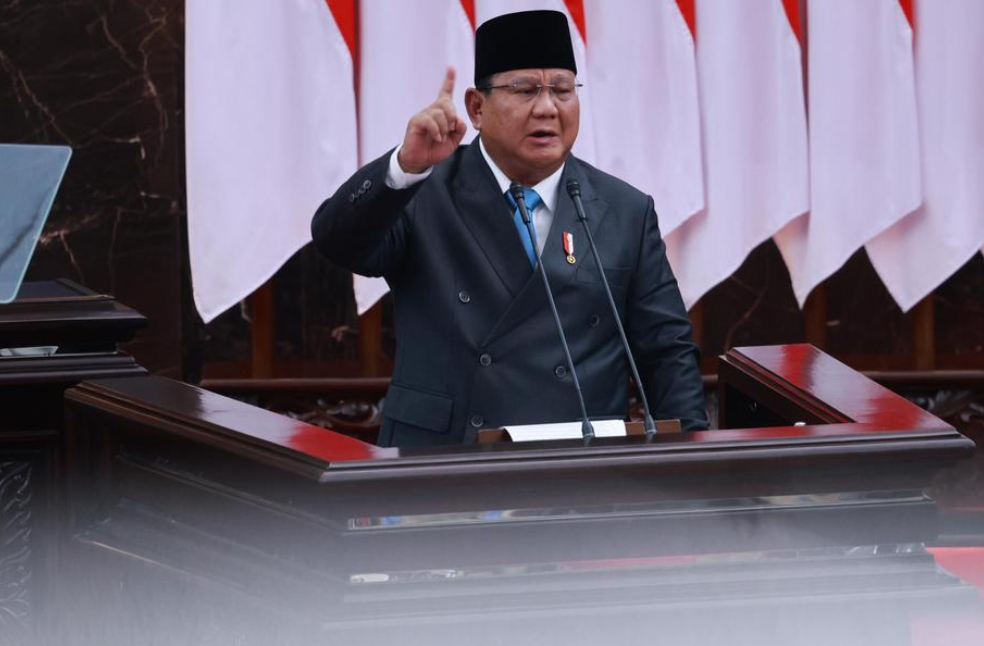
Jakarta: Indonesia’s President Prabowo Subianto has dismissed the head of the agency overseeing the country’s flagship free meals programme after the initiative was hit by widespread food poisoning incidents and allegations of financial irregularities.
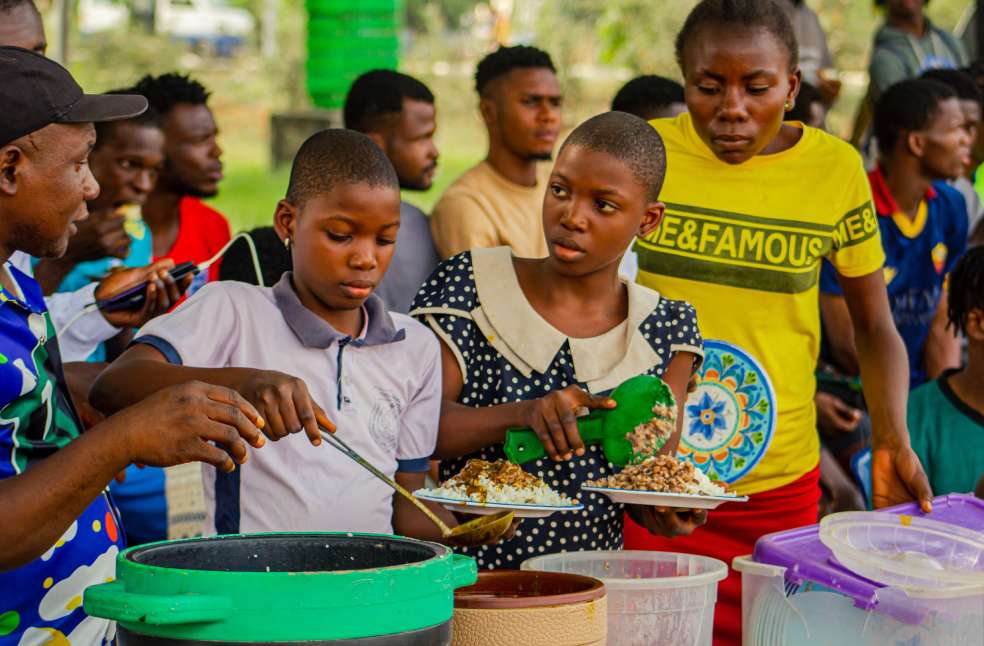
The programme, a key promise of Prabowo’s 2024 presidential campaign, was designed to provide free nutritious meals to up to 80 million schoolchildren nationwide. However, since its launch in January 2025, the scheme has faced mounting criticism following reports that tens of thousands of children became ill after consuming meals distributed through the programme.
The dismissal of agency chief Dadan Hindayana comes just days after Indonesia’s anti-corruption watchdog filed a complaint citing inconsistencies in budget management across programme kitchens. Authorities have also launched investigations into the administration of the initiative.
In a further escalation, officials from Indonesia’s Attorney General’s Office conducted a raid on the National Nutrition Agency’s headquarters, temporarily restricting staff access to the building as part of ongoing inquiries.
Dadan has been replaced by Nanik Sudaryati Deyang, a former journalist and member of Prabowo’s 2024 campaign team. The appointment has generated mixed reactions, with some welcoming the leadership change while others questioning whether it will address the programme’s deeper structural issues.
Critics argue that the initiative requires a comprehensive overhaul rather than a change in leadership. Concerns have also been raised about Nanik’s lack of professional experience in nutrition and food safety.
According to local watchdog Network for Education Watch, the programme was linked to at least 33,000 food poisoning cases by April. Dadan had also faced criticism for controversial proposals, including encouraging daily milk consumption of two litres per person and suggesting insects and sago worms as alternative food sources for school meals.
The free meals programme has become a major point of debate in Indonesia due to its multi-billion-dollar cost, particularly as the country faces economic pressures including weakening trade surpluses and currency challenges. Authorities recently reduced the programme’s operating schedule from six days a week to five in an effort to ease financial burdens.
Despite the controversies, President Prabowo has defended the initiative, describing it as vital to improving child nutrition and supporting low-income families. Speaking last month, he acknowledged the programme faced many problems and pledged action against any officials found abusing their authority or violating regulations.
Prabowo also insisted that the programme continues to enjoy strong public backing, saying many parents and farmers have urged the government to maintain the initiative because it helps ensure children receive regular meals.
The future of the programme now rests on whether the new leadership can restore public confidence while addressing concerns over food safety, transparency and financial management.
POPULAR | Trump Administration drops controversial $1.8bn bill compensation fund
