



London: A new study by University College London (UCL) has found that blanket smartphone bans in schools are viewed by many young people as overly simplistic and punitive, raising concerns about their effectiveness just as England introduces a nationwide phone-free school policy.
The study surveyed 732 secondary school students aged 11 to 18, alongside 27 teachers and 41 parents, using questionnaires, interviews, and focus groups to explore attitudes towards smartphone restrictions in schools.
While there was broad agreement that smartphones can disrupt classroom learning, the findings revealed a clear divide between adults and students. 87 percent of teachers and 88 percent of parents supported blanket bans, whereas 75 percent of students opposed them.
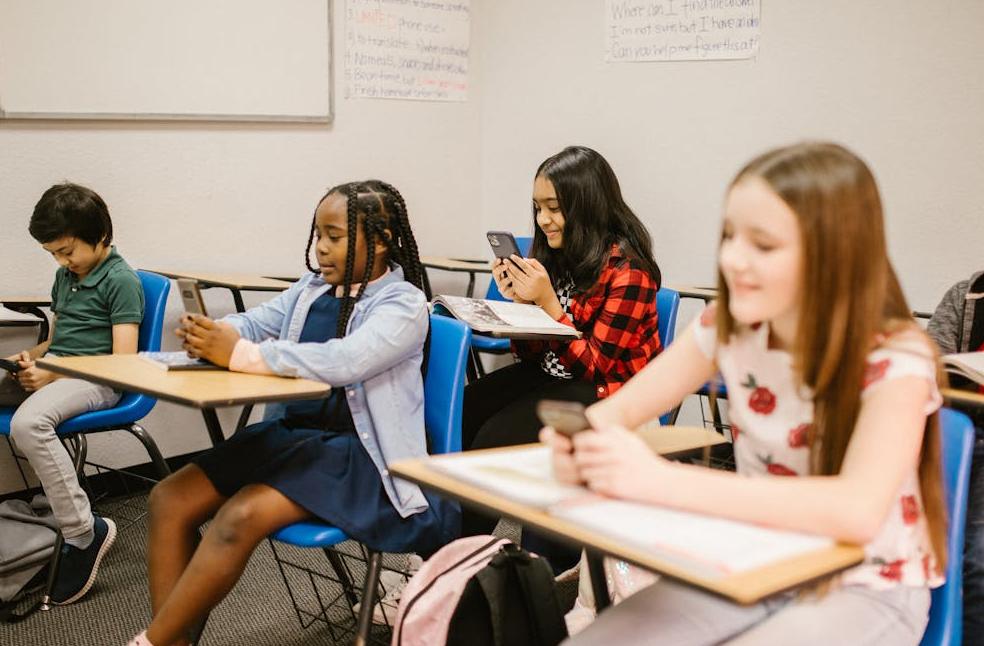
According to the report, adults generally viewed phone bans as a practical way to reduce classroom distractions and simplify teaching. Students, however, said smartphones play an essential role in communication, personal safety, emotional well-being, and everyday organisation.
Many participants explained that they regularly rely on their phones for practical tools such as public transport schedules, weather updates, homework applications, and educational resources. Female students also highlighted that having a smartphone made them feel safer while travelling alone.
The report further suggested that banning smartphones may not eliminate online problems such as cyberbullying or sexual harassment. Instead, researchers warned these issues could become less visible, making students less likely to seek support from teachers or school staff.
Schools across England currently adopt different approaches to mobile phone use. Some allow students to carry phones but require them to be stored in lockers or locked pouches during the school day, while others permit only basic mobile phones with limited internet access or prohibit smartphones altogether.
Lead author Jessica Ringrose, Professor of the Sociology of Gender and Education at UCL’s Institute of Education, said students felt blanket bans damaged trust between young people and adults because they believed their everyday dependence on smartphones was being misunderstood.
Co-author Dawn Aytoun of Life Lessons Education argued that schools should focus on helping students understand the ethical, social, and political aspects of the digital world, including how technology companies operate.
Another co-author, Edith Rodda, a PhD researcher at UCL, warned that policies introduced without meaningful student input could create cycles of punishment rather than responsible digital behaviour, noting that many students eventually find ways to bypass restrictions.
Responding to the report, a spokesperson for the UK’s Department for Education defended the government’s approach, saying the measures are designed to protect children while allowing them to benefit from technology.
The department said the smartphone ban forms part of a broader strategy that includes new guidance on screen use for parents, restrictions on harmful social media platforms for under-16s, the development of safe AI tutoring tools, and updates to the curriculum to strengthen media literacy and help children identify misinformation.
MOST READ | Twin quakes batter Venezuela; Death toll reaches 1,430
