


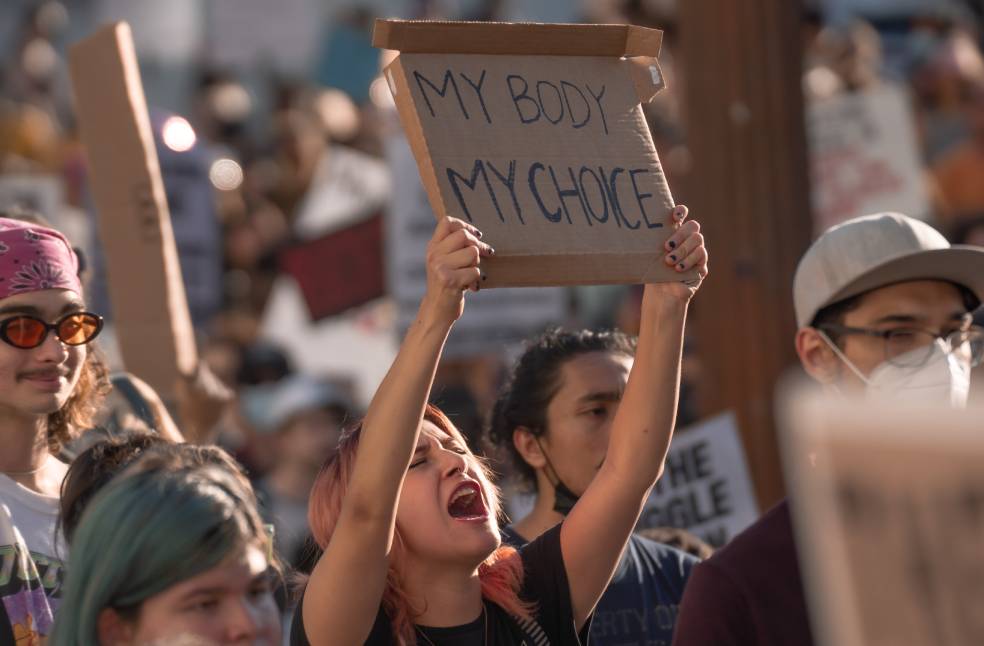
Poland: Thousands of people have taken to the streets in more than 20 towns and cities across Poland, demanding access to free and legal abortion services on the sixth anniversary of a court ruling that significantly tightened the country’s abortion laws.
The demonstrations highlight growing frustration with the government’s failure to deliver on promises to liberalise abortion legislation. Under Poland’s current laws, abortion is permitted only when a pregnancy results from rape or incest, or when it poses a threat to the life or health of the pregnant woman.
Prime Minister Donald Tusk’s government pledged to ease abortion restrictions ahead of its election victory in 2023. However, disagreements within the governing coalition have slowed efforts to introduce reforms. The latest protests also follow parliament’s passage of two bills aimed at easing abortion restrictions, although both measures are expected to face a veto from conservative President Karol Nawrocki.
Zofia Marcinek, a reproductive rights activist with Warsaw-based Abortion Dream Team, criticised the government’s approach, describing the proposed legislation as symbolic gestures rather than a genuine effort to reform abortion laws. She argued that the government was aware the bills were unlikely to survive a presidential veto and was seeking to demonstrate progress ahead of next year’s parliamentary election.
In Warsaw, around 1,000 demonstrators gathered outside parliament despite rainy weather. Emilia Niemiec, 36, who manages the AboTak abortion centre, remarked that little had changed over the past six years. The centre provides women with information, abortion pills and support related to accessing abortion care.
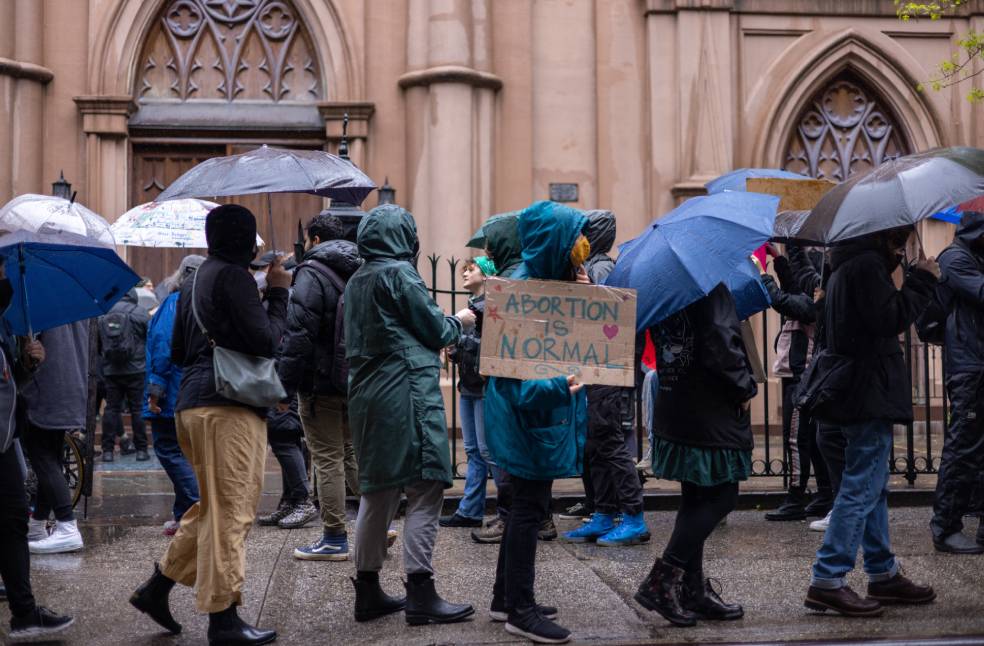
Poland’s abortion restrictions remain a major concern
Poland has maintained restrictive abortion laws since 1993, prompting repeated protests by women’s rights campaigners. In 2016, nationwide demonstrations saw women wearing black to oppose restrictions on reproductive rights.
The situation worsened in 2020 when a ruling under the national-conservative Law and Justice government effectively prohibited abortions in cases involving fetal abnormalities, further narrowing the legal grounds for terminating a pregnancy.
Despite the restrictions, abortions continue to take place across the country, with most reportedly carried out at home using pills obtained from abroad. Women who undergo abortions, including medication abortions, are not criminally liable under Polish law. However, people who assist them, including doctors and family members, may face prosecution.
According to data from Poland’s National Health Fund, hospitals performed 573 abortions during the first half of 2026, compared with 452 throughout 2022, before Tusk took office. Activists maintain that tens of thousands of abortions take place outside hospitals each year.
Campaigners have accused the government of failing to fulfil its promises to Polish women, arguing that official statements suggesting improved access to abortion services may create a misleading impression of the situation.
Marcinek warned that women could delay seeking assistance because they believe abortion care is readily available, only to encounter significant obstacles when they eventually seek medical help. Activists say these delays can make accessing care more complicated and expensive, reinforcing calls for comprehensive legal reform.
MOST READ | Magnitude 7 earthquake strikes Tibet; Killing at least 16