


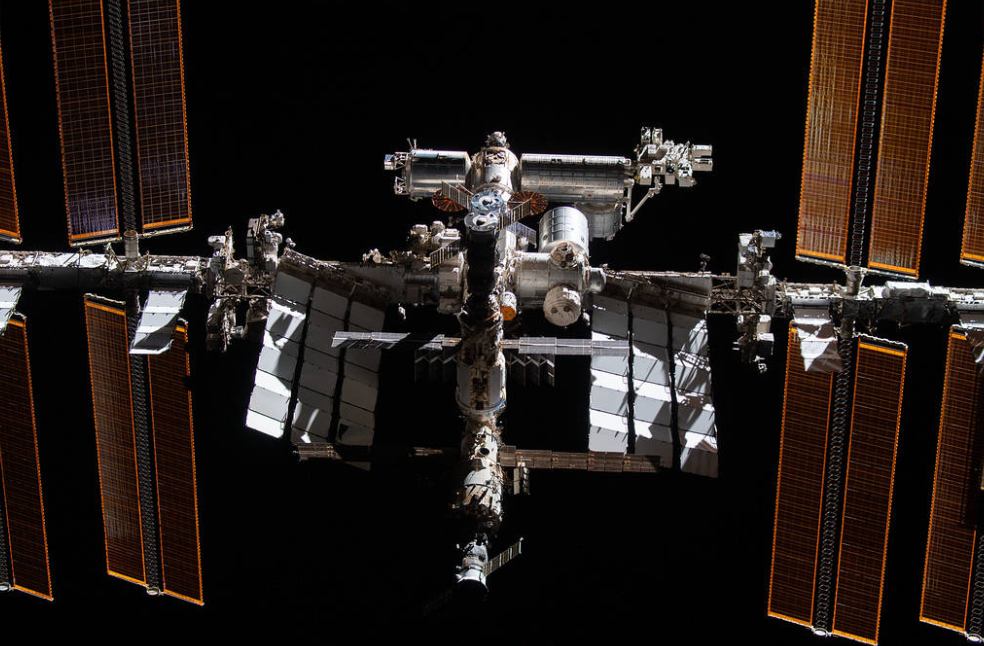
Washington: A worsening air leak aboard the International Space Station (ISS) prompted NASA to briefly place astronauts on evacuation standby before later lifting the alert after further assessments with Russian space officials.
Five astronauts were instructed to enter a docked SpaceX Crew Dragon spacecraft as a precautionary measure after mission controllers detected an increase in air leakage from the station. The order remained in place for approximately two hours before NASA determined there was no immediate danger and allowed the crew to return to normal operations.
The leak is believed to originate from the Russian-operated Zvezda service module, which has been the subject of ongoing investigations by NASA and Roscosmos. Officials have spent months studying small air leaks within the module and debating possible repair methods.
NASA provides update on space station leak… https://t.co/PhMdgYS1YO pic.twitter.com/TakWI9N97T
— International Space Station (@Space_Station) June 5, 2026
According to NASA, the leak rate increased from around one pound of air per day to two pounds per day, prompting heightened concern. Roscosmos reported that two separate leaks had been identified and said engineers successfully sealed one of them while preparations were made to address the second. Russian officials stressed that there was no immediate threat to the crew or the station’s critical systems.
The ISS is currently home to seven astronauts representing NASA, Roscosmos and the European Space Agency. Although emergency safe-haven procedures have occasionally been used in response to space debris risks and technical concerns, astronauts have never had to fully evacuate the station during its 27-year operational history.
NASA said it remains committed to working closely with Roscosmos to address the issue and ensure the station’s long-term safety. The incident comes as US lawmakers consider extending the life of the ISS until 2032, providing additional time for commercial companies to develop future space stations that could eventually replace the ageing orbital laboratory.
TRENDING | World-first AI-powered vaccine marks medical breakthrough
