


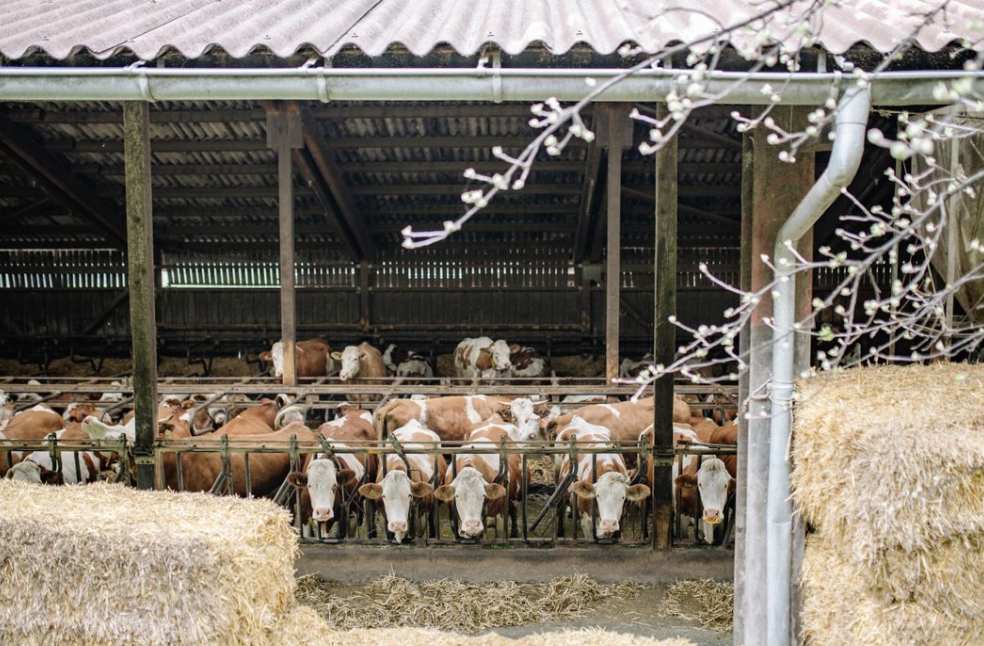
Ottawa: Canada has temporarily banned cattle and other livestock from Texas after authorities confirmed new cases of the flesh-eating New World screwworm parasite in the US state. The move is aimed at preventing the spread of the dangerous pest into Canadian livestock populations.
The Canadian Food Inspection Agency announced that cattle and horses that were present in Texas within 21 days before entering Canada will not be allowed across the border until further notice. Officials said the measure was introduced following the detection of screwworm infections in two calves in southern Texas.
The outbreak has prompted growing concern among agricultural authorities in North America. Texas Governor Greg Abbott declared a state of disaster, warning that the parasite could continue spreading during the summer months if not contained.
The New World screwworm is a parasitic fly that lays eggs in wounds or openings on warm-blooded animals. Once hatched, the larvae feed on living tissue, causing severe injuries that can prove fatal if left untreated. The parasite was previously eradicated from the United States in 1966, making the recent discoveries particularly significant.
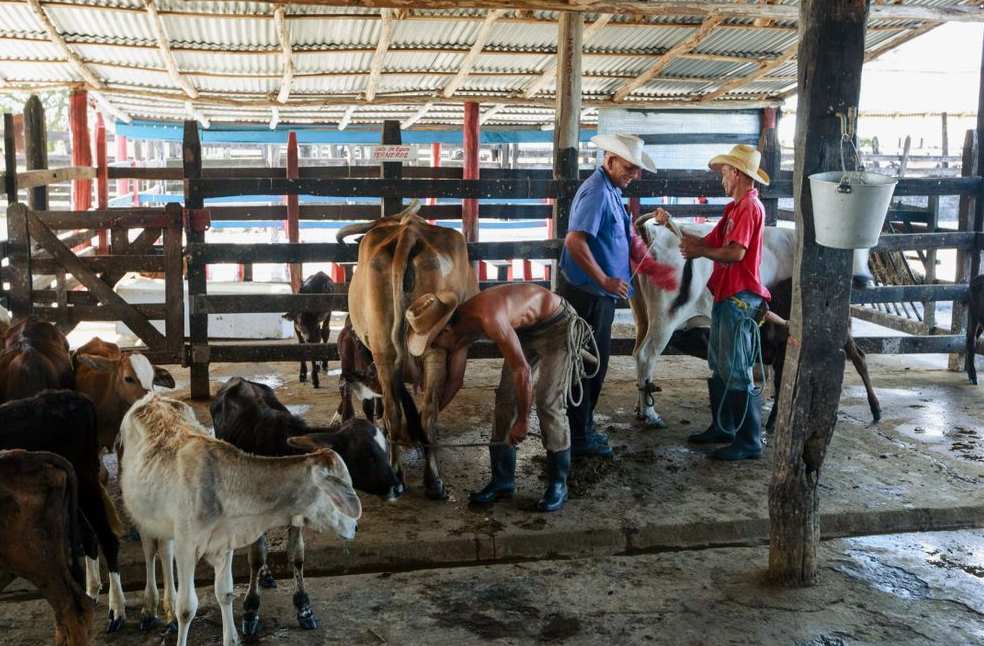
US authorities have established a control zone around the affected area near the Texas-Mexico border and introduced quarantines, movement restrictions and enhanced surveillance. The cases are linked to a wider outbreak that has been spreading through parts of Central America and Mexico.
Canadian officials stressed that the country’s colder climate makes large-scale establishment of the parasite less likely. However, farmers have been advised to closely inspect livestock for wounds showing unusual discharge or foul odours and to monitor animals returning from affected regions.
The United States and Canada share a significant livestock trade, with hundreds of thousands of cattle crossing the border annually for breeding, dairy production and processing. Industry groups are closely monitoring the situation, as prolonged restrictions could affect supply chains and agricultural markets.
To combat the outbreak, US authorities are planning to release large numbers of sterile flies to disrupt screwworm reproduction and reduce the parasite population. While experts hope the strategy will help contain the spread, officials continue to urge vigilance as efforts intensify to prevent a wider outbreak.
ALSO READ | Mangrove forests rebound after decades of destruction, study finds
