


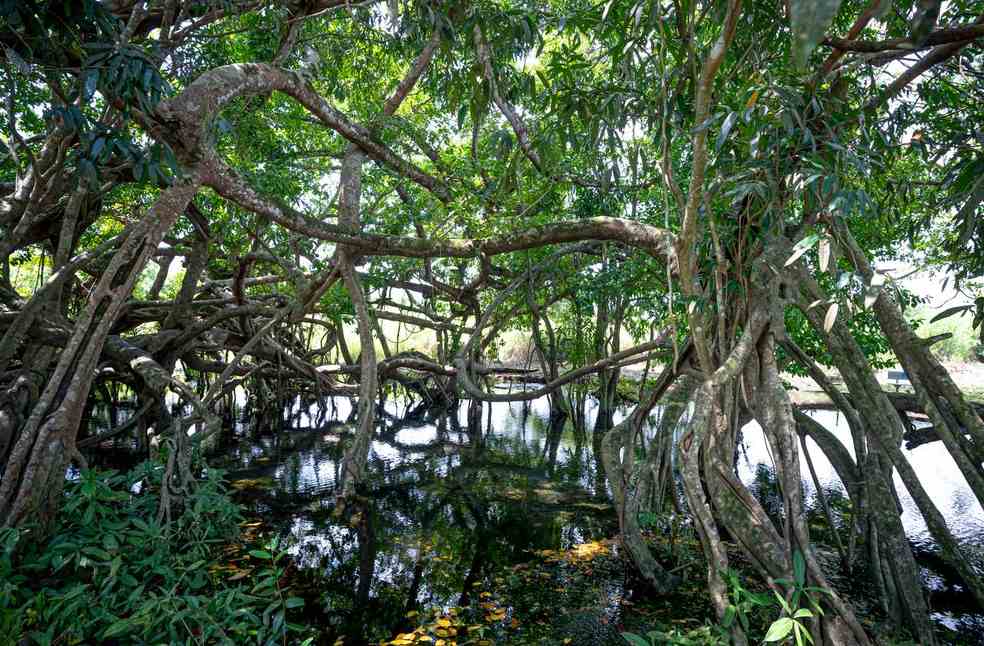
London: The world’s mangrove forests are showing signs of a remarkable recovery after decades of destruction, offering fresh hope for climate action and coastal protection.
A new study has found that global mangrove coverage has been increasing since 2010, reversing a long-term trend of decline driven by human activity.
Mangroves are among the planet’s most valuable ecosystems. Found along tropical and subtropical coastlines, these forests play a crucial role in protecting communities from storms, flooding and coastal erosion. Their dense root systems help absorb the force of waves, reducing the impact of storm surges and tsunamis on vulnerable coastal populations.
Scientists say mangroves are also highly effective at combating climate change. These forests can store up to five times more carbon dioxide than many land-based forests, making them one of nature’s most powerful tools for capturing greenhouse gas emissions.
In addition, mangroves support rich biodiversity by providing breeding grounds and shelter for fish, crustaceans and other marine species. For much of the last century, however, mangrove forests were under severe pressure from development.
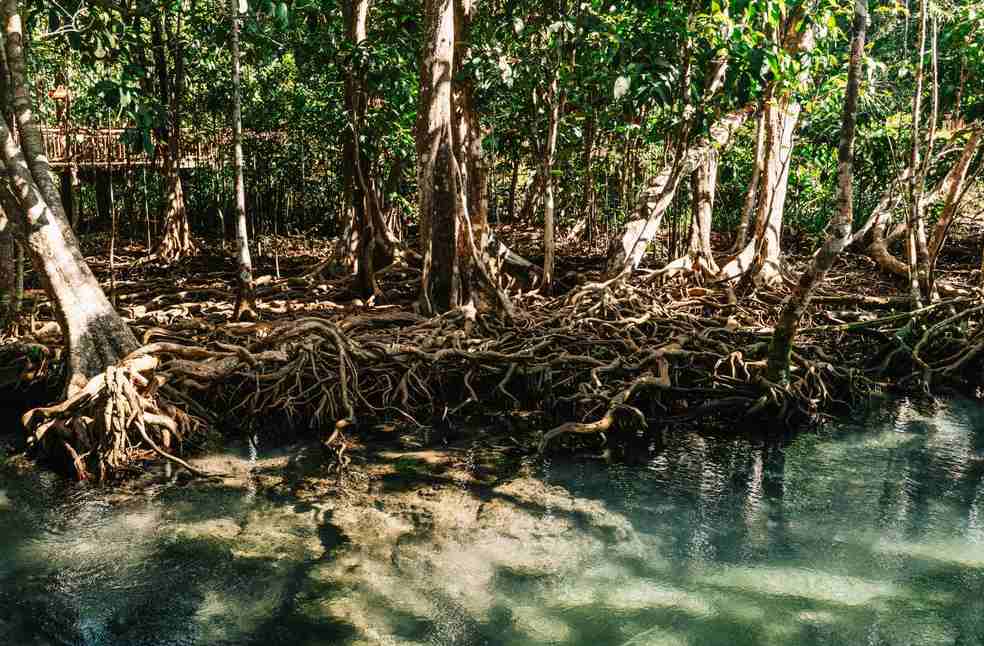
Large areas were cleared to make way for fish farms, agriculture, housing projects and expanding coastal cities. Between the 1980s and 2010, more than 12,000 square kilometres of mangroves were destroyed across Asia, Africa and the Americas, an area roughly equivalent to the size of Jamaica.
Researchers found that stronger conservation laws, restoration programmes and greater public awareness have helped slow the losses. Events such as the 2004 Indian Ocean tsunami also highlighted the importance of mangroves in protecting coastlines, encouraging governments and communities to invest more heavily in preservation efforts.
A key reason for the recovery is the natural resilience of mangrove ecosystems. Scientists say these forests have an impressive ability to regenerate when human disturbances are removed. Once clearing and development stop, mangroves can often recover naturally and begin restoring their environmental benefits.
The study found that total net losses since the 1980s have been dramatically reduced, with much of the recent recovery taking place over the last decade. Researchers describe the trend as a rare environmental success story, demonstrating how conservation efforts and natural regeneration can work together to restore damaged ecosystems.
While challenges remain, experts say the findings show that protecting and restoring mangroves can deliver long-term benefits for biodiversity, climate resilience and the millions of people who depend on healthy coastal environments around the world.
DON’T MISS IT | FIFA bans reusable water bottles at World Cup stadiums
