


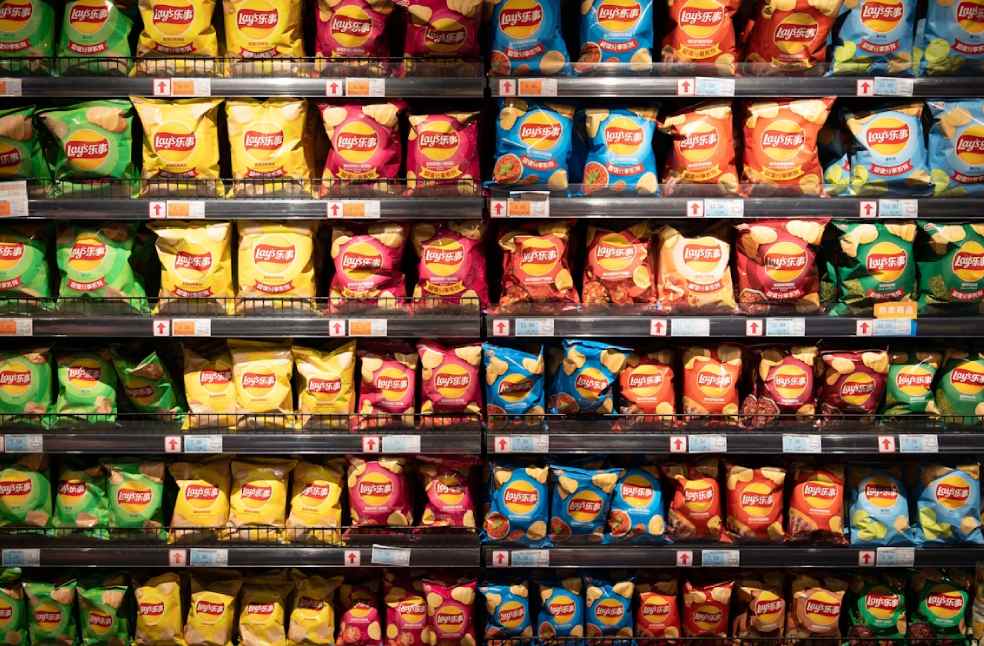
New Delhi: Indian health activists have challenged the government’s proposed front-of-pack food warning system in the Supreme Court, arguing that plans to require red warnings only when at least two concerning nutrients are high could create a loophole that leaves consumers exposed to unhealthy products.
The nonprofit group 3S And Our Health submitted the first formal objection to the proposal in the Supreme Court, which is considering petitions from health activists, the food industry and the government. The group described the proposed system as an “industry-friendly loophole” that could allow manufacturers to avoid warnings on products that contain excessive amounts of a single harmful nutrient.
“A product that is high in sugar alone remains a diabetes risk,” Rajiv Shankar Dvivedi, a lawyer representing 3S And Our Health, stated in the filing. The complaint is scheduled to be heard on September 10.
India has proposed requiring a red hexagonal warning label on packaged food and drinks when a product exceeds prescribed limits for at least two of three nutrients: added sugar, salt or saturated fat. Health activists have argued that the system should identify each nutrient separately because high levels of even one of the substances can contribute to serious health risks.
The proposal has already generated opposition from both sides of the debate. Health campaigners say the planned rules are too weak, while some industry groups argue that the measure could result in warning labels appearing on a large share of packaged products and potentially reduce consumer demand.
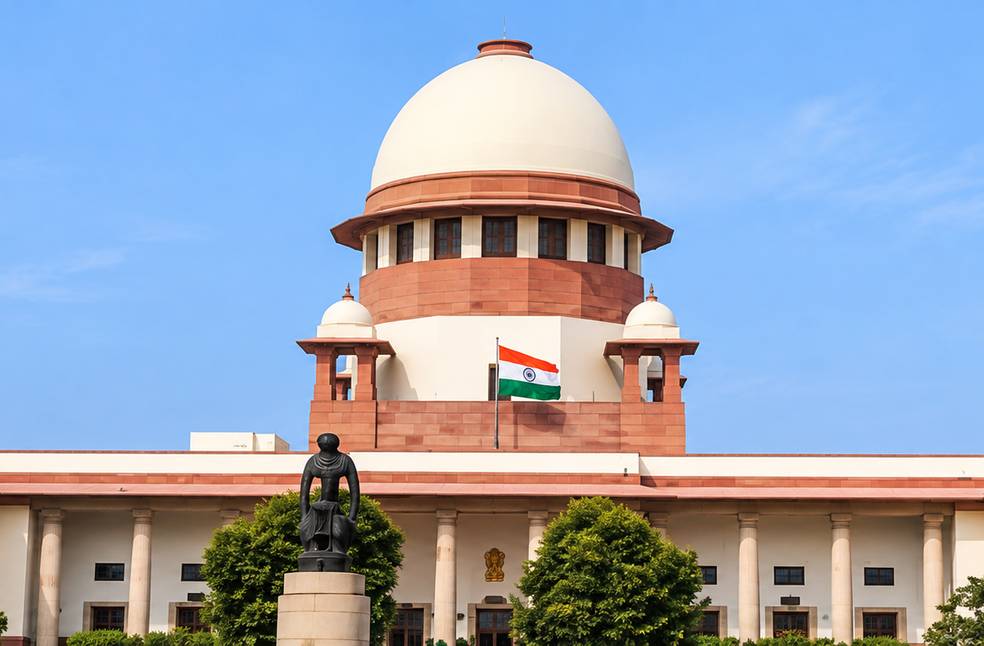
Food warning labels have been adopted in several countries as part of efforts to tackle obesity and diet-related diseases. Chile’s system, introduced in 2016, uses separate black octagonal warnings for products high in nutrients such as sugar, salt and saturated fat. Researchers have linked the policy to a 23.7 percent decline in purchases of sugary drinks.
An Indian government source said the concerns raised by activists were unfounded, arguing that food labelling systems in other countries had also been introduced in stages. India could make its rules stricter in a second phase by requiring a separate warning for each concerning nutrient, the source said.
No timetable has been set for the different phases. The government is also waiting for the Supreme Court to consider the issue, the source said, speaking on condition of anonymity because the matter is before the court.
The debate comes as India faces a growing burden of obesity and related health problems. A study published in the Lancet estimated that India had about 180 million overweight or obese adults in 2021, with the number projected to rise to around 450 million by 2050.
The proposed warning system has also come under scrutiny over the influence of major food and beverage companies. The Supreme Court challenge now puts the proposed labelling framework under further scrutiny. Health activists are seeking stronger warnings, while manufacturers remain concerned about the potential impact of stricter nutritional labelling on packaged food sales.
ALSO READ | Trump signs order targeting endangered status of grey wolves
