


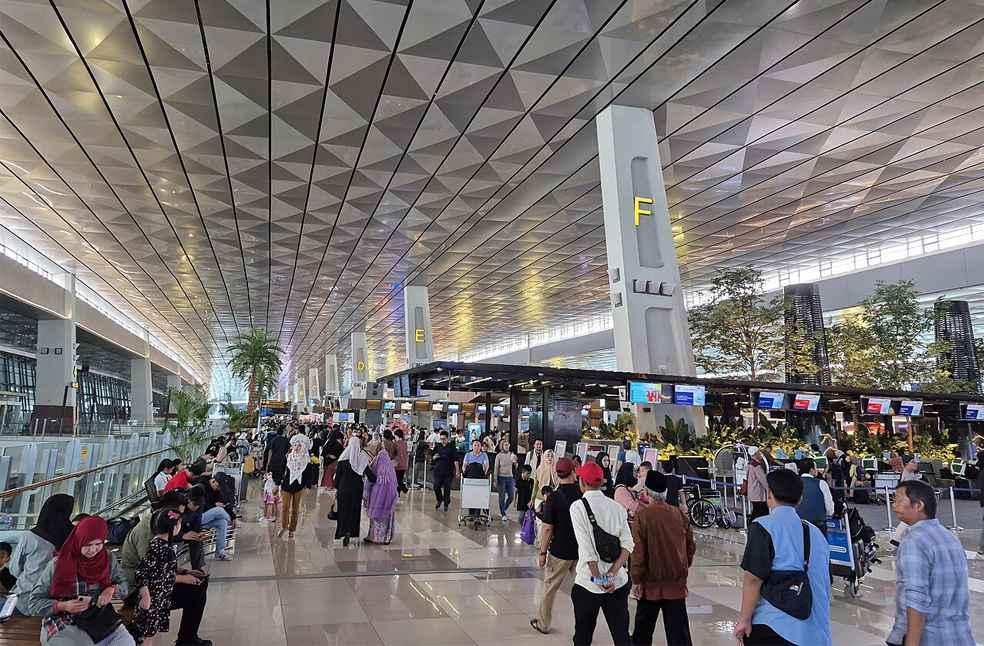
Tangerang: Indonesia has reopened Jakarta’s main airport and four other airports after volcanic ash from Mount Anak Krakatau disrupted air travel across the region, according to Transport Minister Dudy Purwagandhi.
The ash, produced by a series of eruptions from the volcano located between Java and Sumatra, spread over Jakarta and nearby areas after the volcano first erupted late on September 4. Authorities had closed eight airports as a safety precaution, affecting more than 340,000 travellers.
Soekarno-Hatta International Airport resumed operations on September 8 after winds cleared volcanic ash from the surrounding area. Four other airports, including another facility serving Jakarta and an airport in neighbouring Bandung, also reopened.
One additional airport resumed operations on September 7, while two airports remained closed as authorities continued to monitor conditions.
Authorities stated that the reopening of Soekarno-Hatta would be followed by safety checks on 178 aircraft that had remained at the airport during the closure. Officials noted that additional time could be needed to prepare the aircraft for operations.
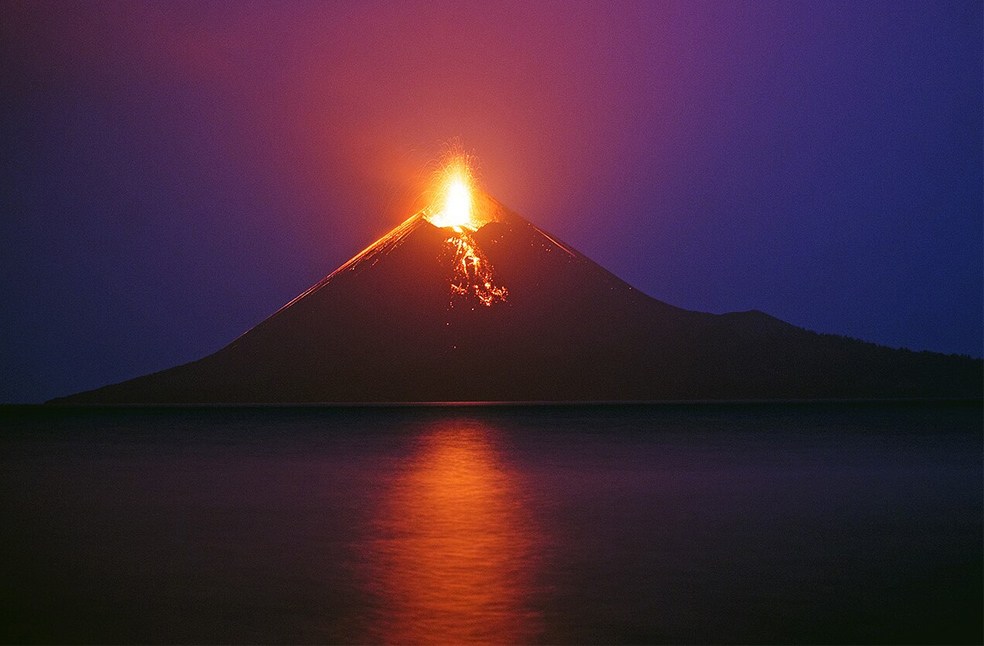
The disruption affected around 341,000 passengers through flight delays, diversions and cancellations involving 2,961 flights across the affected airports.
Mount Anak Krakatau erupted three more times on September 8 morning, according to Indonesia’s volcano monitoring agency. The intensity of the latest eruptions was not immediately confirmed, while the volcano remained at Level 3 on Indonesia’s four-tier alert system.
Indonesia is home to around 130 active volcanoes and lies along the Pacific Ring of Fire, a highly active seismic zone where tectonic plates meet, making the country prone to earthquakes and volcanic activity.
Anak Krakatau, or ‘child of Krakatau,’ emerged from the area of the former Krakatau volcano more than a century ago. Krakatau, also known as Krakatoa, was largely destroyed during a series of massive eruptions in 1883 that killed more than 36,000 people, largely through the tsunamis that followed.
ALSO READ | Designers should not fear AI as industry embraces new technology
