


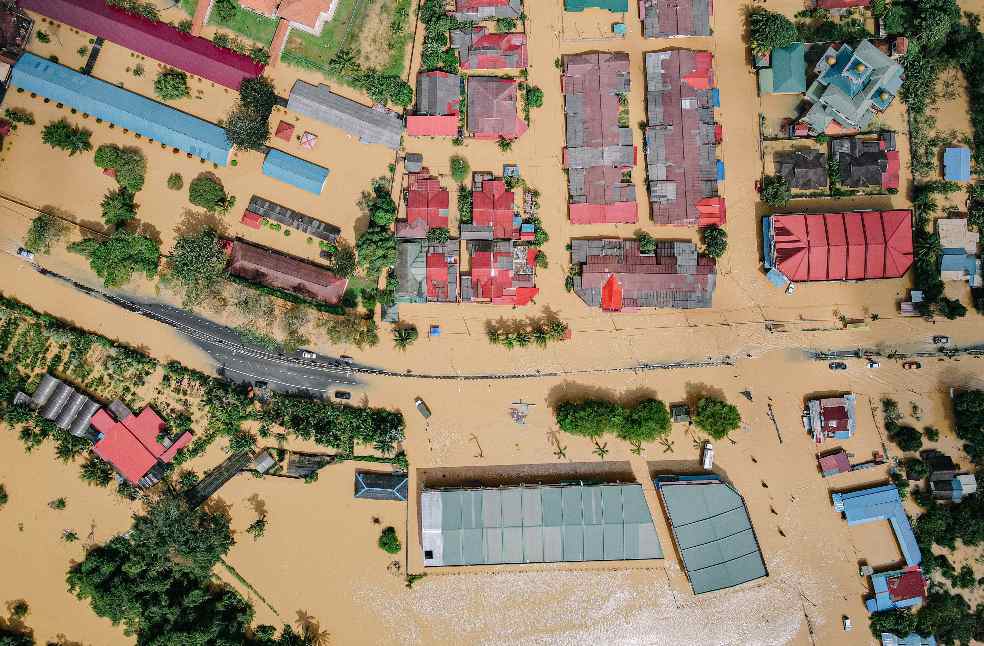
Lima: Heavy rainfall linked to an exceptionally strong El Nino weather pattern has caused widespread flooding in Peru and Ecuador, damaging infrastructure, disrupting hospital operations and affecting thousands of residents.
In northern Peru, the city of Piura experiences severe flooding after 12 hours of heavy rain that began on November 26. Water levels rose to waist height in several streets, affecting residential neighbourhoods, businesses and public buildings. Floodwaters also reached the Plaza de Armas, the city’s central square.
Peru’s armed forces deploys personnel and pumping equipment to remove accumulated water from affected neighbourhoods. However, some residents have complained about delays, with several machines reportedly stopping because of fuel shortages.
The National Meteorology and Hydrology Service of Peru warned that moderate to heavy rainfall could continue in parts of the region over the next four days. The Peruvian navy also linked El Nino to strong ocean swells that damaged infrastructure along the Pacific coast and forced the temporary closure of dozens of ports. Keiko Fujimori, President of Peru postponed a planned trip to Colombia to address the crisis and announced plans to visit affected areas.
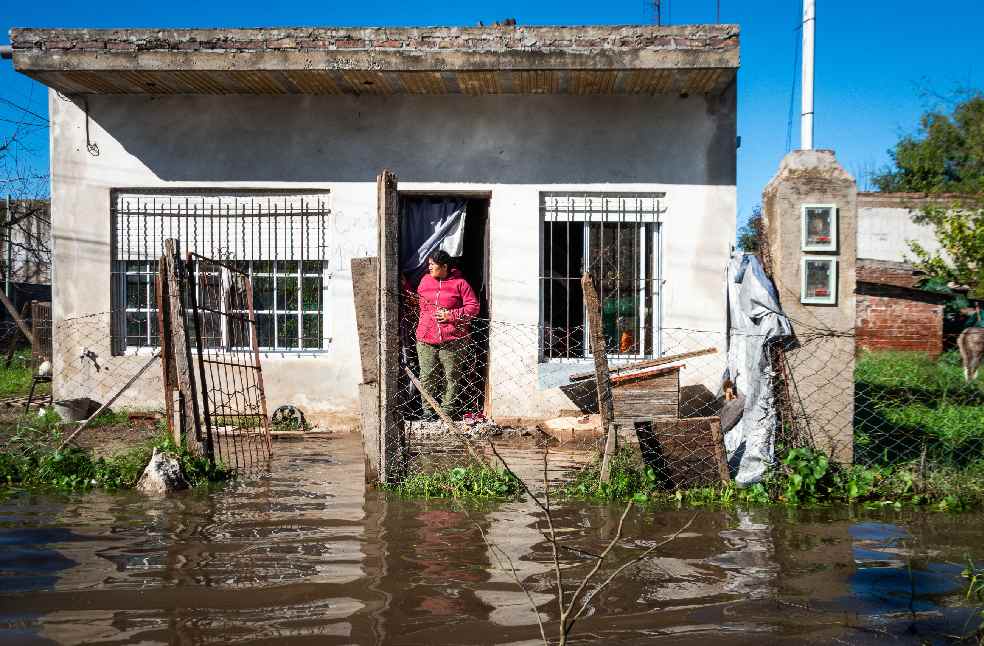
In neighbouring Ecuador, the National Secretariat for Risk Management reported 34 deaths and 47,000 people affected by heavy rainfall associated with El Nino. The western city of Manta was among the affected areas after two rivers burst their banks. Residents waded through chest-deep floodwater, while some used mattresses to stay afloat as rising water inundated parts of the city.
Peru and Ecuador are among several Latin American countries that declares national emergencies in response to the weather phenomenon. El Nino occurs when sea surface temperatures rise in the central and eastern equatorial Pacific Ocean. This warming influences atmospheric circulation and changes rainfall and wind patterns across different parts of the world.
The current episode is projected to be the strongest on record and has already been linked to severe weather across Latin America and other regions. The impacts are not limited to flooding, with extreme weather also raising concerns about food security in vulnerable areas.
United Nations agencies warned that hunger could worsen significantly in 16 global hotspots over the next six months. Armed conflict and extreme weather events, including El Nino, are among the main factors behind the expected deterioration.
The Food and Agriculture Organization (FAO) and the World Food Programme (WFP) identified Sudan, South Sudan, Somalia, northern Nigeria and Yemen among the areas facing the greatest risk.
ALSO READ | Australia’s 2035 emissions goal faces major policy challenge