


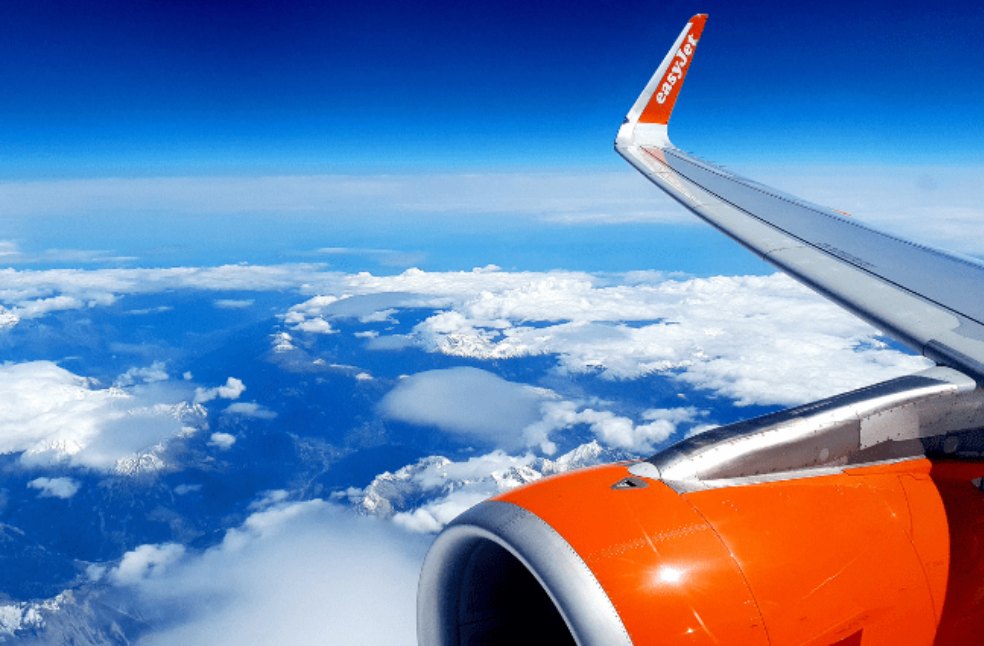
London: The chief executive of EasyJet has reassured holidaymakers that flights will continue as scheduled this summer despite growing concerns over rising jet fuel prices linked to tensions in the Middle East.
EasyJet CEO Kenton Jarvis said the airline had experienced absolutely no issues with fuel supplies across its network and urged customers to continue booking with confidence. His comments come with escalating disruption caused by the Iran conflict, which has effectively blocked access through the strategically vital Strait of Hormuz, a major route for Europe-bound jet fuel shipments. The crisis has triggered a sharp surge in fuel prices, with costs nearly doubling in recent weeks.
Despite the volatility, Jarvis stressed that EasyJet’s operations remain stable. Jarvis said the airline remains in constant communication with fuel suppliers, airports and governments, none of whom have raised concerns over future supply shortages.
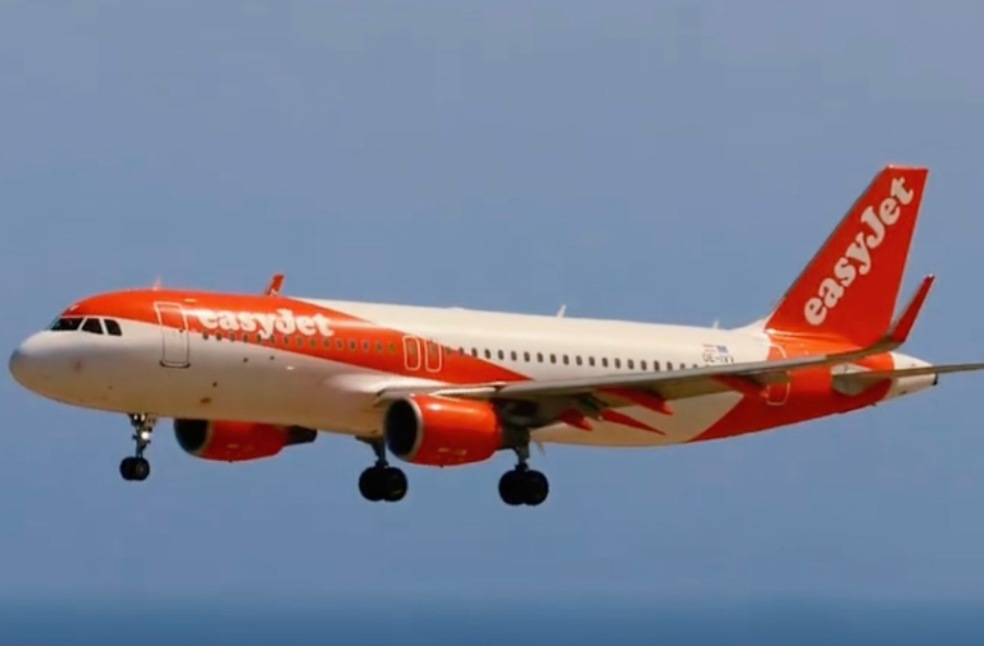
Jarvis remarked that, “We fully intend to fly the summer schedule that we have on sale,” adding that EasyJet has no plans to introduce fuel surcharges on ticket prices. The airline also pointed to alternative fuel production sources in Norway, West Africa and the Americas, alongside increased refining capacity outside the Gulf region, as factors helping stabilise supplies.
However, EasyJet has noticed a shift in consumer behaviour, with travellers delaying bookings due to uncertainty surrounding the conflict. Jarvis said demand for last-minute travel remains strong, but customers are becoming more cautious about booking flights further ahead.
Jarvis stated that, “As you look further out people are more cautious, people are waiting and watching, but they are booking.” The comments came as EasyJet reported a pre-tax loss of £552 million ($741.4 million) for the six months ending March, reflecting the typical seasonal slowdown during winter. Airlines generally rely on the busy summer travel season to return to profitability.
The company warned that higher fuel costs and uncertain consumer demand could still impact its financial performance in the second half of the year. Analysts say EasyJet is particularly vulnerable to fuel price swings compared with some European rivals.
Aarin Chiekrie, equity analyst at Hargreaves Lansdown, said the recent spike in fuel prices could place significant pressure on the airline’s profits even if tensions in the Middle East ease in the coming months.
MOST READ | US charges Raúl Castro over 1996 plane shootdown
