


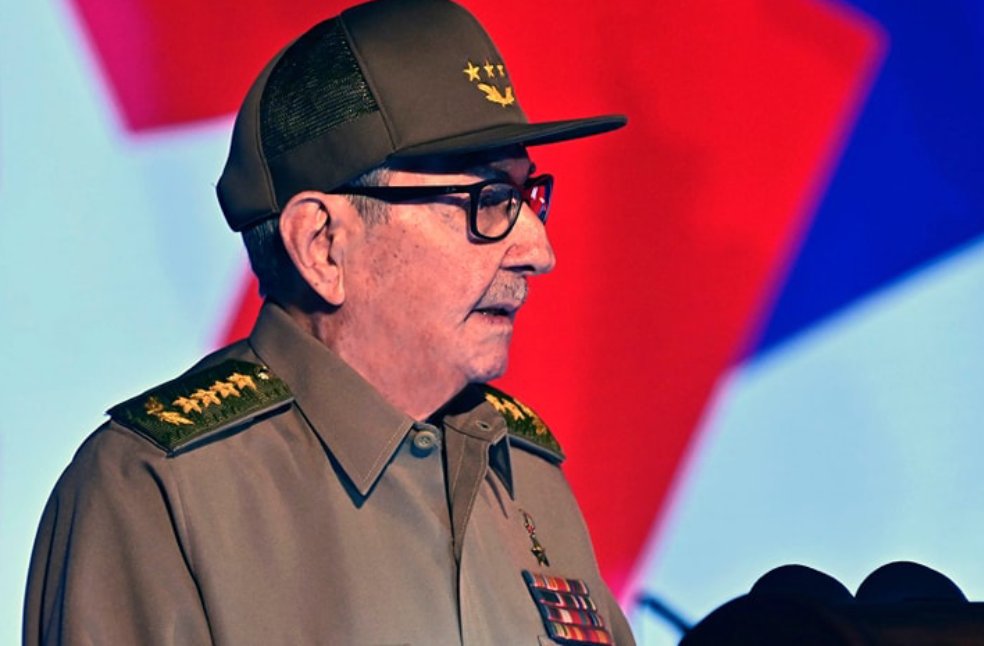
Miami: The United States has charged former Cuban leader Raúl Castro with conspiracy to kill US nationals and multiple other crimes linked to the 1996 downing of two civilian aircraft operated by the anti-Castro group Brothers to the Rescue.
The indictment, announced in Miami by Acting Attorney General Todd Blanche, accuses Castro and five others of orchestrating the shooting down of the planes over waters between Cuba and Florida, killing four men, including three US citizens.
The victims were identified as Armando Alejandre Jr, Carlos Alberto Costa, Mario Manuel de la Peña and Pablo Morales. At the time of the incident, Castro was serving as Cuba’s defence chief and one of the country’s most powerful figures under the leadership of his brother, Fidel Castro. The attack drew widespread international condemnation and became one of the most controversial episodes in US-Cuba relations.
Murder and aircraft destruction charges
According to US prosecutors, the charges against Castro include conspiracy to murder US nationals, destruction of aircraft and four separate murder counts. Several of the offences carry potential life sentences, while the murder charges could also result in the death penalty.
Acting Attorney General Todd Blanche remarked that, “The United States, and President Trump, does not, and will not, forget its citizens.”
Authorities confirmed that an arrest warrant has been issued for Castro. When questioned about the possibility of bringing the 94-year-old former leader to the United States, Blanche said officials expected Castro to appear by his own will or another way.
Cuba rejects allegations
Cuban President Miguel Díaz-Canel strongly condemned the indictment, calling it a political manoeuvre, devoid of any legal foundation. Havana defended the 1996 military action as an act of legitimate self-defence within its jurisdictional waters and accused Washington of manipulating facts to justify increased hostility toward the island nation. Díaz-Canel also warned that the charges were being used to justify the folly of a military aggression against Cuba.
Pressure campaign against Cuba
The indictment comes as the administration of US President Donald Trump intensifies pressure on Cuba’s communist government through sanctions and economic restrictions. The United States has imposed fresh measures targeting Cuba’s oil supplies and broader economy, moves Havana says have worsened blackouts and food shortages across the island.
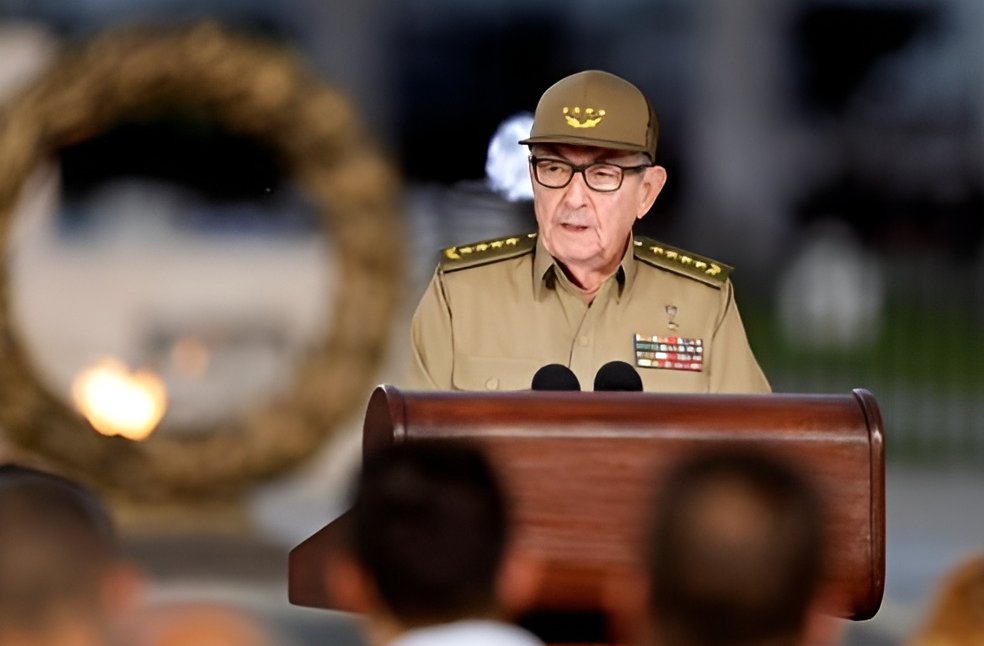
US Secretary of State Marco Rubio also issued a message to Cubans on the country’s independence day, claiming that military-controlled conglomerate GAESA was largely responsible for the nation’s economic suffering. GAESA controls significant sectors of Cuba’s economy, including ports, fuel distribution and major hotel operations.
Comparisons with Maduro case
The case has sparked speculation about whether Washington could attempt to detain Castro abroad, similar to actions taken against Venezuelan leader Nicolás Maduro following US indictments against him. However, analysts note that Castro retired from active leadership years ago and remains inside Cuba, making any extradition highly unlikely.
William LeoGrande, an expert on Latin American politics at American University, said the strategy appeared aimed at steadily increasing pressure on Havana. International affairs fellow Roxanna Vigil of the Council on Foreign Relations cautioned that Cuba was unlikely to comply easily with US demands.
Cuban exile groups welcome move
The announcement was welcomed by many Cuban-American exile organisations gathered in Miami during the press conference. Supporters described the indictment as long-awaited justice for the victims and their families, with some arguing it represented accountability for decades of alleged abuses under Cuba’s communist leadership.
Despite the legal action, analysts say Castro is unlikely to appear before a US court. Still, legal experts noted that if he did, he would receive the same constitutional rights afforded to any criminal defendant in the United States, including a jury trial.
The development marks another sharp escalation in already strained relations between Washington and Havana, threatening to deepen divisions between the two countries after years of fluctuating diplomacy.
MOST READ | Teenage attackers kill 3 at San Diego mosque in suspected hate crime
