


Washington: Robots today are capable of assembling cars, performing surgeries, and managing cargo at airports. However, despite these advances, most robots still struggle with one of the most delicate manufacturing tasks, sewing fabric.
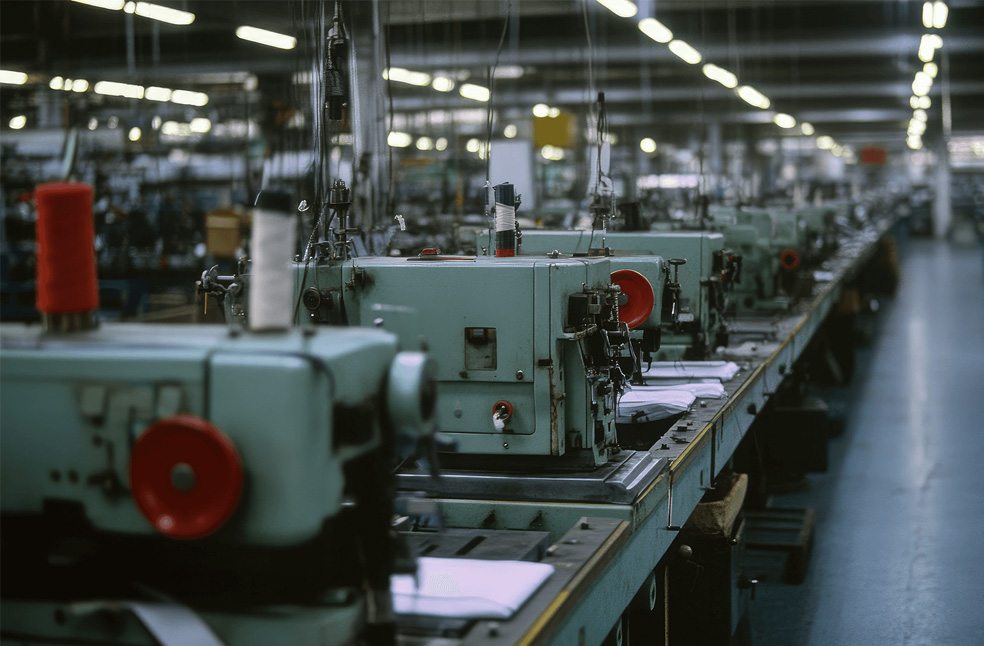
As a result, nearly all clothing sold worldwide continues to be produced by hand, often by low-paid workers in Asia, even if sewing machines are used.
Experts say fully automating garment production is extremely difficult because fabric must remain precisely aligned during motion. Cam Myers, founder and chief executive of California-based robotics company CreateMe, explains: “You have a problem if it’s sewing,” adding, “You have to keep [two pieces of fabric] in alignment under motion.”
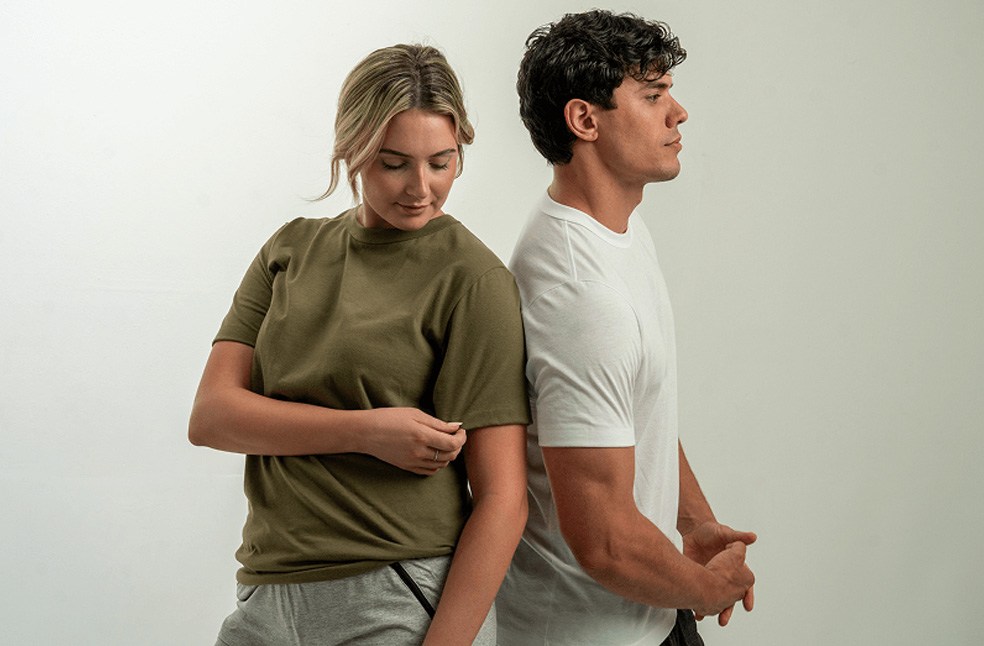
Instead of trying to automate stitching, CreateMe has taken a different route by removing sewing altogether. The company uses industrial adhesive to bond fabric pieces together. Once the adhesive is applied, materials are aligned and pressed into place, creating seams without thread. “Once the adhesive is laid down, you simply line something over it and stamp,” Myers said.
The company is already using this method to manufacture women’s underwear and plans to expand into T-shirt production in the coming months, with the possibility of mass production starting next year.
Roboticists have long targeted the garment industry as a potential frontier for automation. If successful, such technologies could bring clothing manufacturing back to Western countries and significantly reduce the environmental footprint of fashion production. However, this shift could also lead to widespread job losses among textile workers globally.
Made in USA
At present, only a small percentage of clothes sold in countries such as the UK and the US are manufactured domestically. Myers notes that some customers are actively seeking ‘Made in the US’ labels, using locally sourced materials such as American cotton.
The CEO says CreateMe’s system can work with multiple materials, including cotton, wool, and leather. According to him, even shifting just 10 percent of global T-shirt production back to the US through automation would represent a major industrial change.
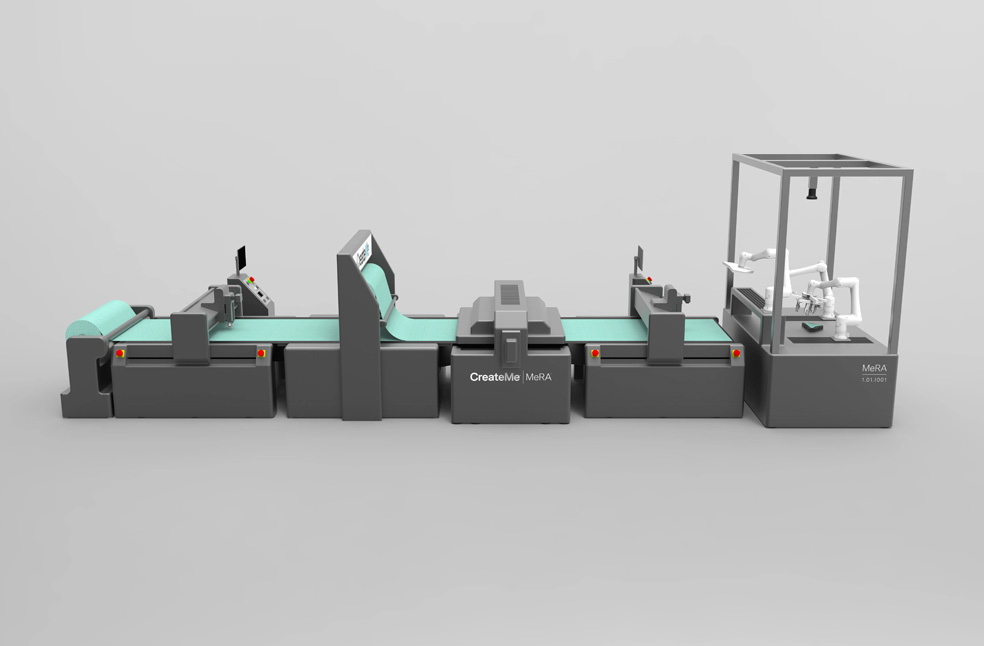
The company’s adhesive is thermoset, meaning it does not melt or weaken under washing machine or ironing temperatures. Myers says this ensures garments remain durable and stable.
The CEO also highlights that because these clothes are seam-free, they can be produced using mould-based systems that shape garments to the human body, creating a more streamlined design.
However, Myers acknowledges a major limitation: clothing is a ‘high flex’ industry. Consumers demand endless variation in style, colour, and design, making it difficult for robots to fully replace human flexibility in fashion manufacturing. While automation has made progress, current systems are still far from handling the full complexity of global apparel production.
Despite these advancements, debate continues over whether robotic systems can truly match the adaptability, creativity, and variety required in the global clothing industry, leaving the future of fully automated fashion still uncertain.
ALSO READ | Growing dependence on AI systems sparks expert concern
