


London: Cases of Lyme Disease in England increased by more than 20 percent in 2025, according to new figures released by the UK Health Security Agency (UKHSA), as scientists and pharmaceutical companies continue developing vaccines and anti-tick treatments to combat the growing health concern.
Data published in the UKHSA’s One Health vector-borne disease surveillance report showed there were 1,168 laboratory-confirmed Lyme disease cases in England in 2025, compared with 959 cases recorded in 2024, marking a 22 percent increase. However, the number remains close to the 1,151 cases reported in 2023.
Health officials also identified two probable cases of tick-borne encephalitis complex in 2025, bringing the total number of locally acquired cases in the UK to six since the virus was first detected in 2019.
Dr. Claire Gordon, Head of the rare and imported pathogens laboratory at UKHSA, said annual case numbers can fluctuate depending on public awareness, testing rates, weather conditions, and outdoor activity patterns. She noted that broader trends in 2025 remain consistent with previous years.

What causes Lyme Disease?
Lyme disease is caused by the bacterium Borrelia burgdorferi, which lives in the digestive system of ticks, small spider-like parasites commonly found in grassy and wooded environments. Ticks feed on the blood of birds, mammals, and humans.
According to Gordon, ticks have expanded geographically across the UK in recent years, although their numbers continue to vary due to weather patterns, climate change, habitat shifts, and changes in animal host populations.
Symptoms and Risks
Symptoms of Lyme disease can include:
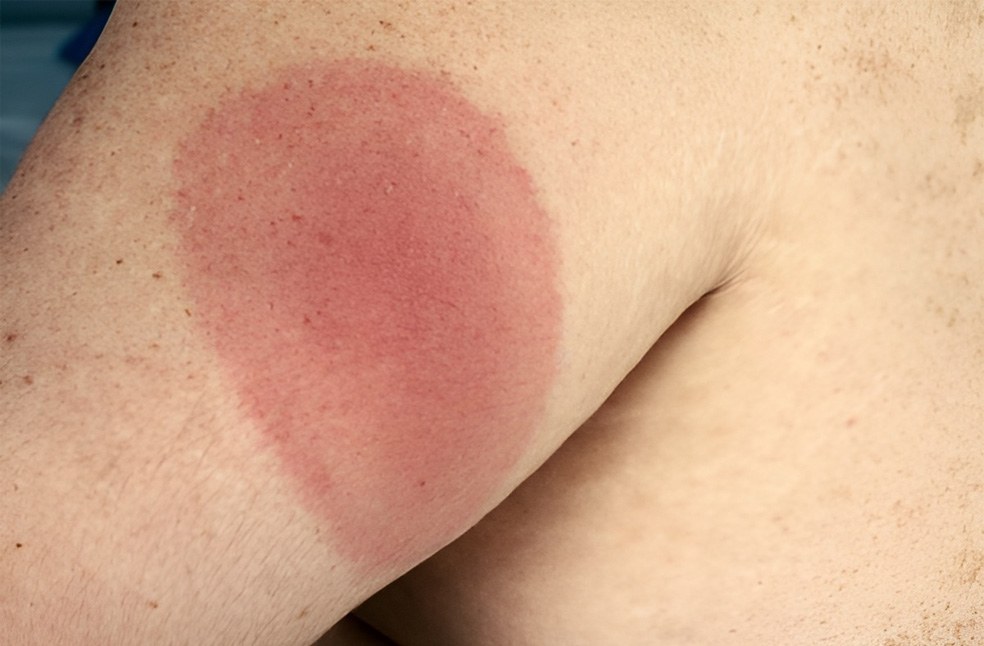
- A bullseye-shaped skin rash
- Fever
- Muscle pain
- Joint pain
- Fatigue and lethargy
If left untreated, Lyme disease can become chronic, and some patients continue experiencing symptoms even after receiving antibiotic treatment.
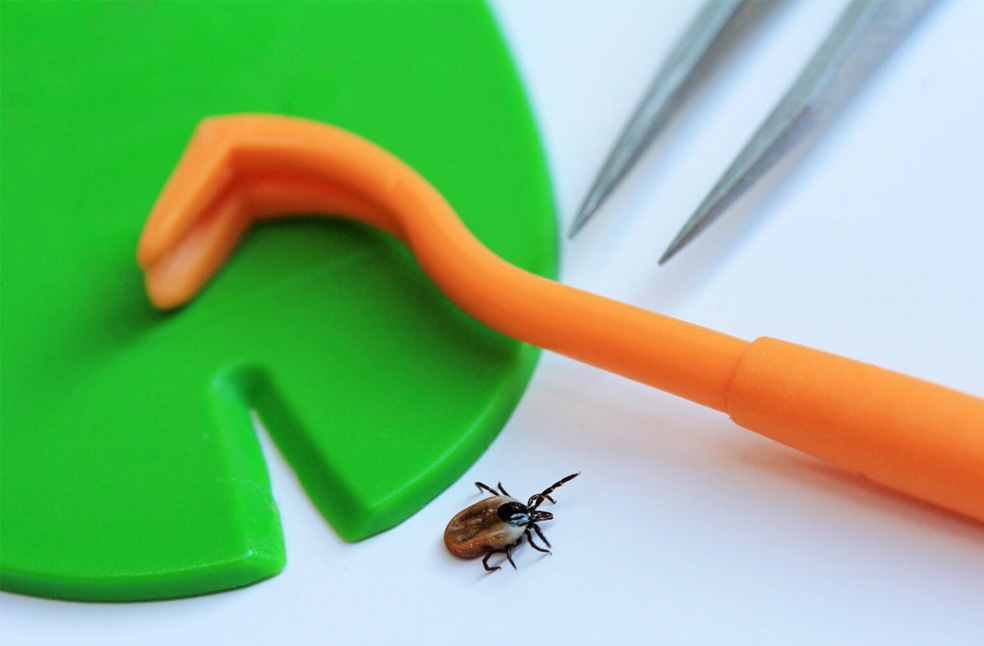
Experts note that not all ticks carry Lyme-causing bacteria, and quickly removing ticks after a bite can significantly reduce the risk of infection.
Human Protection Still Limited
While pets can be protected through vaccines and monthly medications, prevention methods for humans currently focus on avoiding tick bites by:
- Using insect repellents
- Covering exposed skin outdoors
- Wearing light-coloured clothing to spot ticks more easily
Professor Linden Hu, an immunology expert at Tufts Medical School, explained that developing human treatments is more complicated than veterinary treatments because clinical studies in humans are harder to conduct and more expensive.
He noted that animal studies allow researchers to directly expose animals to infected ticks under controlled conditions, something not possible in human trials.

Past Vaccine Withdrawn
A previous Lyme disease vaccine for humans called LYMErix was once available in the United States and showed around 76 percent effectiveness after three doses. However, it was withdrawn in 2002 due to poor public uptake and concerns about a possible link to arthritis, despite limited scientific evidence supporting those fears.
Hu noted that the negative media coverage and low public trust contributed significantly to the vaccine’s decline.
New Vaccines and Treatments
Several new Lyme disease treatments are currently being developed.
These include:
- An mRNA-based vaccine from Moderna is currently in phase 2 clinical trials
- A separate vaccine is being developed by Pfizer and Valneva
Researchers say these newer vaccines are designed to avoid triggering immune responses that some experts believe may have contributed to arthritis concerns linked to LYMErix.
However, the Pfizer-Valneva vaccine faced challenges during phase 3 trials because fewer-than-expected Lyme disease cases occurred among participants, making the statistical results less robust, even though the vaccine appeared to show over 70 percent effectiveness. Despite this, developers still plan to seek regulatory approval.

Anti-Tick Drug Also Being Explored
Other approaches are also under investigation, including a monoclonal antibody treatment from Tonix Pharmaceuticals that could be administered before tick exposure.
Professor Hu is also working with Tarsus Pharmaceuticals on a drug called Lotilaner, already used to protect cats and dogs from ticks and fleas.
Unlike vaccines that target the bacteria, Lotilaner kills ticks directly and works quickly enough to potentially stop transmission of Lyme disease and other tick-borne illnesses before infection occurs.
Questions Over Vaccine
Julia Knight of the charity Lyme Disease UK said it remains unclear whether the public in the UK would widely accept a Lyme disease vaccine, particularly amid growing vaccine hesitancy.
She added that official Lyme disease figures may underestimate the true scale of infections because many patients who develop the characteristic rash are treated immediately without laboratory confirmation, while some cases may also be misdiagnosed or overlooked entirely.
MOST READ | UK campaigners urge tougher social media safety rules
