


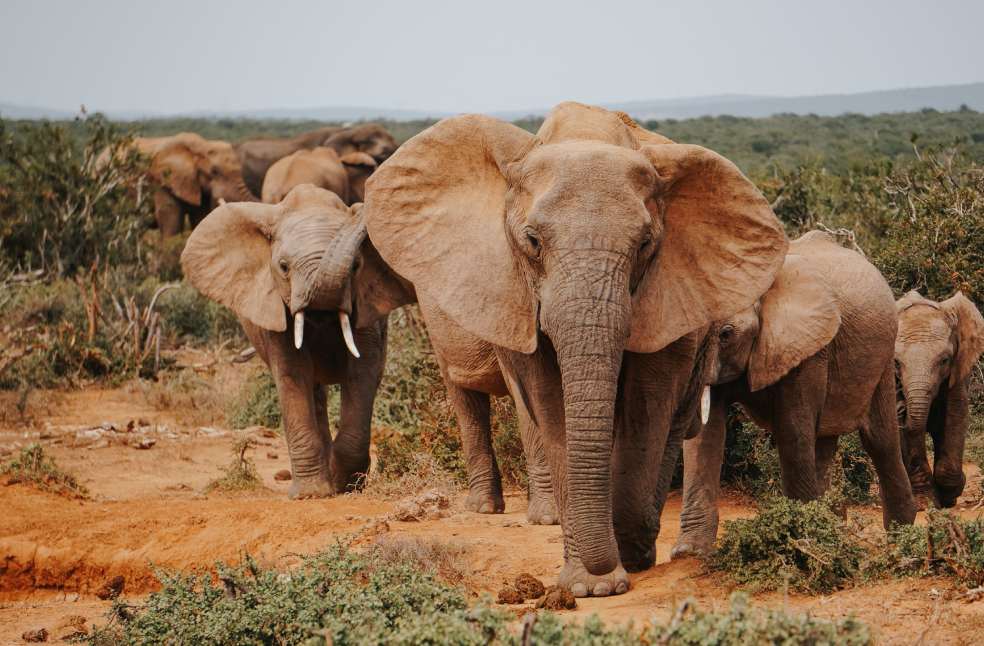
Kenya: The deaths of 15 elephants near Kenya’s Amboseli National Park over the past month were likely caused by cyanide poisoning linked to pesticides used on nearby tomato farms, according to the Kenya Wildlife Service (KWS).
KWS Director General Erustus Kanga said laboratory analysis of samples collected from the elephant carcasses detected traces of cyanide, a highly toxic chemical compound commonly used in agriculture as a pest fumigant and predator control poison. Cyanide has also been used by poachers to kill wildlife.
Kanga stated that, “Cyanide is a highly toxic chemical. If elephants consume cyanide, they cannot survive a day or two.” The elephant deaths occurred between 24 June and 24 July in the Kimana Sanctuary and Kuku Group Ranch areas surrounding Amboseli National Park in southern Kenya.
The Amboseli ecosystem, spanning approximately 392 square kilometres, together with neighbouring conservancies, is home to more than 1,600 elephants and is one of Africa’s most important elephant conservation landscapes.
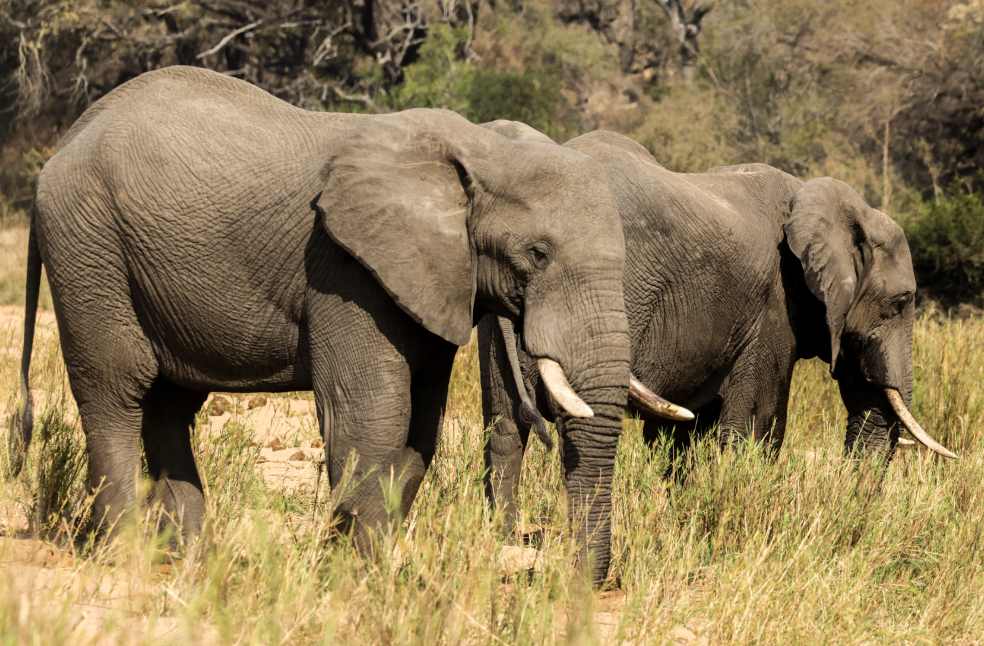
Investigators believe the elephants may have consumed contaminated crops while foraging. Isaac Lekolool, Head of Veterinary and Capture Services at KWS, said stomach content analysis from one of the deceased elephants revealed a large quantity of tomatoes, strengthening suspicions that the animals ingested agrochemicals from nearby farms.
Kimana town, located close to the park, is one of Kenya’s leading tomato-producing regions. Previous research by the Route to Food Initiative had raised concerns about the use of cyanide-based substances in tomato farming in the area.
Wildlife authorities are also worried that the contamination could affect livestock grazing in the same region. Kanga warned that goats and cattle feeding on contaminated vegetation could face similar risks if cyanide is confirmed as the primary cause.
Earlier this week, KWS announced an official investigation into the deaths, noting that 10 of the elephants displayed signs of partial paralysis before dying. Preliminary laboratory tests indicated the presence of a potentially toxic substance, prompting further forensic analysis.
Conservationists have described the incident as one of the most serious wildlife losses in the Amboseli ecosystem in recent years. Benson Leyian, CEO of the Big Life Foundation, said elephant poaching in the region has been largely eliminated through years of community-based conservation efforts, making the recent deaths particularly alarming.
The International Fund for Animal Welfare (IFAW) also expressed concern, saying the incident highlights the importance of scientific monitoring and collaborative conservation to protect endangered wildlife and preserve ecosystem health.
Kenya has previously witnessed cases of wildlife poisoning, often linked to conflicts between farmers and wild animals damaging crops or livestock. Similar incidents have also occurred in Zimbabwe, where poachers have used cyanide to poison elephants by contaminating water sources and salt licks.
The Amboseli ecosystem remains one of Kenya’s premier wildlife tourism destinations. The incident comes at a time when debates continue over the future management of Amboseli National Park, with legal proceedings currently delaying plans to transfer operational control to Kajiado County authorities.
POPULAR | US funds Gavi; Maintains tough stance against WHO
