


Washington: The United States has released $600 million in funding for Gavi, the Vaccine Alliance, while simultaneously blocking the World Health Organization (WHO) from receiving US government funding through the global immunisation partnership.
The move marks another significant step in the Trump administration’s efforts to reshape US engagement with international health organisations. In a joint statement, the US Department of State and the Department of Health and Human Services (HHS) confirmed that the United States will not provide US Government funding to the World Health Organization through Gavi.
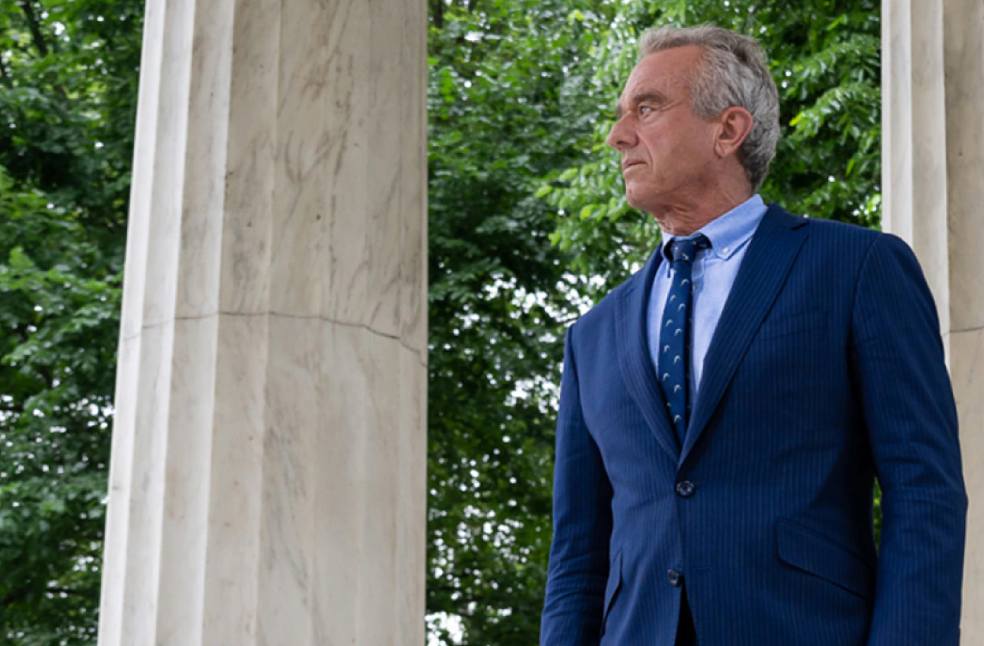
The decision aligns with President Donald Trump’s directive instructing HHS Secretary Robert F. Kennedy Jr. and Secretary of State Marco Rubio to negotiate reforms within Gavi before any future US support is considered.
While Europe and the U.S. have eliminated mercury-laced vaccines, GAVI continues to inject more than 72 million African and Asian children with cheap jabs containing bolus doses of the world’s most potent neurotoxin. The billions spent on DEI at HHS during the Biden… https://t.co/QRsvlxUd4Z
— Secretary Kennedy (@SecKennedy) July 30, 2026
The administration said Gavi has agreed to work with its board and partner countries to gradually replace mercury-containing vaccines with mercury-free alternatives. This commitment influenced the decision to restore funding to the alliance.
US Republican Senator Susan Collins, who had advocated for reinstating American support for Gavi’s vaccination programmes, welcomed the funding announcement, describing it as an important step in maintaining global access to life-saving immunisations.
The decision also highlights the Trump administration’s continued opposition to the WHO. The relationship between Washington and the UN health agency has remained strained since 2020, when President Trump suspended US funding during the COVID-19 pandemic, accusing the organisation of mishandling the global outbreak and promoting misinformation from China.
Former President Joe Biden reversed that decision in 2021 by restoring US funding and ending the withdrawal process. However, upon returning to office on January 20, 2025, President Trump once again ordered the United States to withdraw from the WHO and suspended financial contributions.
Health experts have argued that the administration’s stance reflects ideological priorities more than strategic public health considerations. The WHO relies on mandatory contributions from member states as well as voluntary donations from governments and partners to fund its global health programmes.
With an annual budget of approximately $3.4 billion, the WHO supports vaccination campaigns and disease control efforts targeting polio, tuberculosis, HIV, malaria, measles, and other infectious diseases. The agency also coordinates emergency health responses in conflict zones, including Gaza, Sudan, the Democratic Republic of the Congo, and other humanitarian crises.
The latest US policy preserves financial backing for Gavi while further distancing Washington from the WHO, adding uncertainty to the future of international public health cooperation.
POPULAR | Kenya launches investigation into deaths of 15 elephants
