


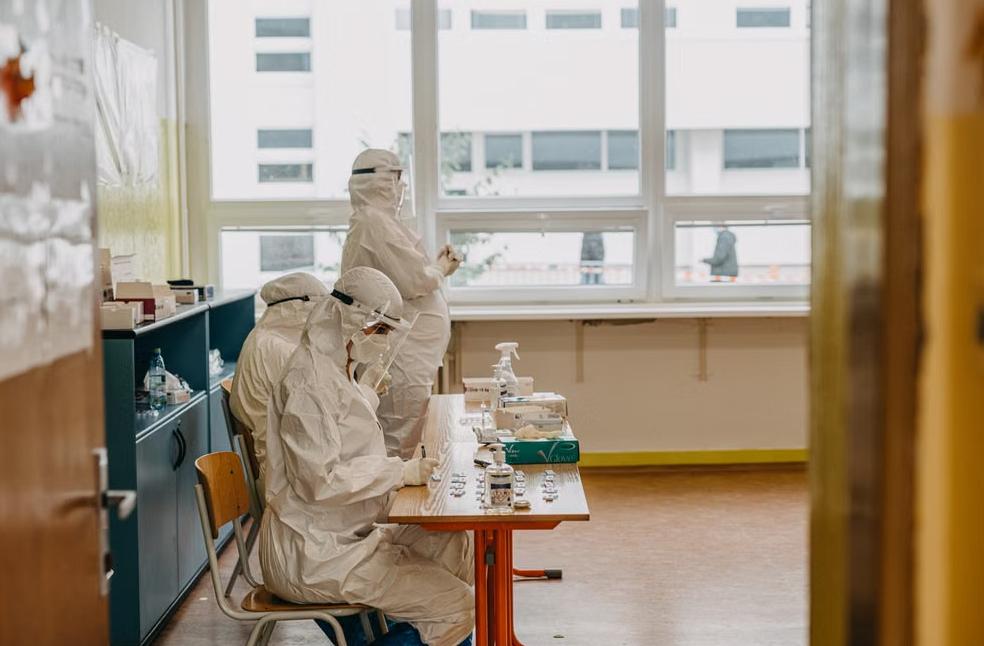
Kinshasa: The Democratic Republic of the Congo has reported a further rise in confirmed Ebola infections, with government data showing the total number of cases has reached 1,708.
The outbreak has also claimed 580 lives, highlighting the continued public health challenge facing the central African nation. Health authorities remain focused on containing the spread of the virus through surveillance, treatment and community-based response measures.
The latest figures indicate that Ebola continues to pose a serious threat in affected regions despite ongoing efforts by national and international health agencies. Medical teams are carrying out contact tracing, laboratory testing and patient isolation to identify new infections quickly and reduce the risk of further transmission. Public awareness campaigns are also encouraging communities to report symptoms early and follow preventive health measures.
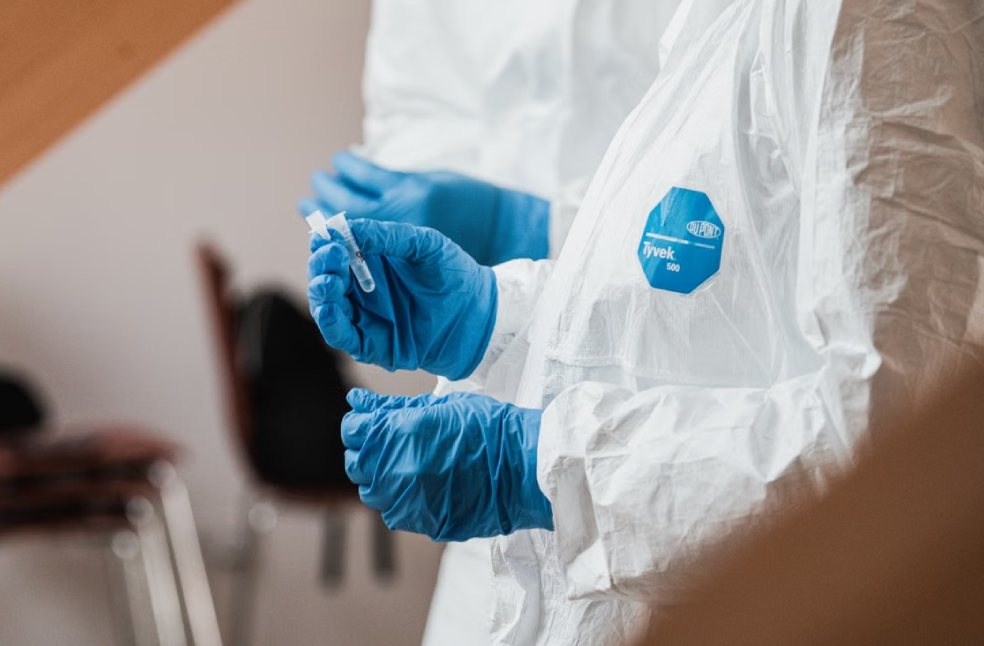
Ebola is a severe viral disease that spreads through direct contact with the blood or bodily fluids of infected people or contaminated surfaces. Early symptoms include fever, headache, muscle pain and fatigue before progressing to vomiting, diarrhoea and, in severe cases, internal and external bleeding. Rapid diagnosis and supportive medical care significantly improve the chances of survival.
Health authorities continue to work alongside international organisations to strengthen outbreak response activities. Vaccination campaigns targeting people at high risk of infection, including frontline healthcare workers and close contacts of confirmed patients, remain an important part of the containment strategy. Efforts are also focused on improving access to treatment centres and ensuring medical supplies reach affected communities.
Officials have urged the public to remain vigilant and cooperate with health workers as response efforts continue. Authorities are closely monitoring the situation and investigating new suspected cases to prevent further spread. With confirmed infections and fatalities continuing to rise, the government has emphasised that early detection, timely treatment and strong community participation remain essential to controlling the Ebola outbreak.
MOST READ | Microsoft cuts 4,800 jobs as Xbox faces major restructure
