


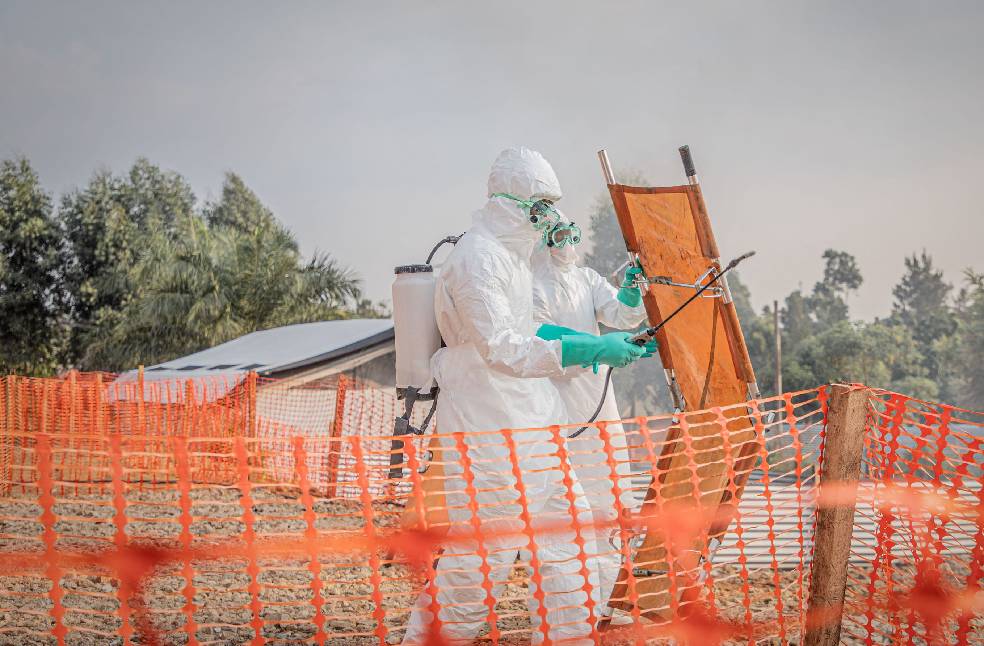
Congo: Fear of Ebola is keeping mothers and children away from essential healthcare in eastern Democratic Republic of Congo (DR Congo), contributing to rising maternal deaths and falling childhood vaccination rates.
The United Nations Population Fund (UNFPA) reported a decline of more than 30 percent in hospital deliveries and a 50 percent drop in treatment for obstetric complications between May and July compared with levels before the outbreak. Health workers warn that avoiding prenatal care and choosing home births can increase the risk of death when pregnancy or delivery complications arise.
The outbreak has spread across 7 provinces, infecting more than 8,000 people and killing over 4,000, according to the report. Although infections have slowed in some parts of the country, officials noted that the outbreak remains far from contained.
Routine healthcare services are also facing disruption. The United Nations Children’s Fund (UNICEF) warned in August that routine childhood vaccinations fell by more than half across Ebola hotspots in Ituri province between April and June. In Mongbwalu, first-dose measles vaccinations dropped by 69 percent.
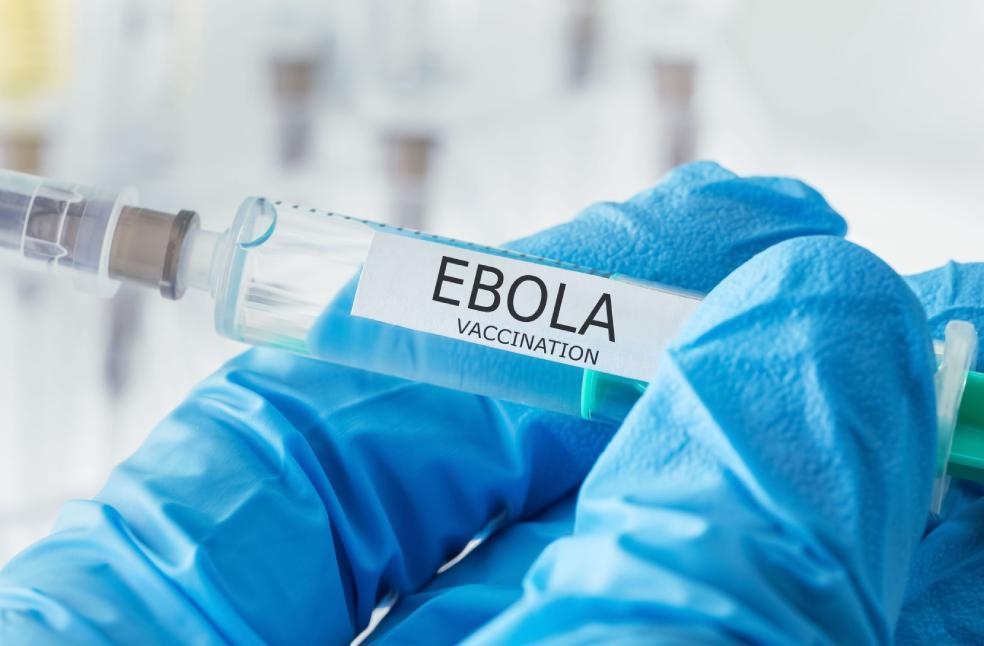
UNICEF data also showed that health facilities across Ituri administered 23,000 fewer routine vaccine doses in May and June than in April. Aid agencies remarked that limited routine data collection is making it harder to assess the full impact of the outbreak on healthcare services.
Maternal deaths in Ituri province rose by nearly 70 percent between May and July compared with the same period a year earlier, according to United Nations figures. The increase raises concerns about the outbreak’s wider impact on primary healthcare, particularly for women who need urgent medical attention.
The disruption comes as Congo continues to face a heavy measles burden. The health ministry reported 126,000 measles cases in Congo so far in 2026, as recurring outbreaks that record tens of thousands of cases annually.
International aid cuts added to the pressure, contributing to shortages of some life-saving medicines. Health workers and aid agencies face the challenge of maintaining routine services while responding to Ebola, with concerns that missed vaccinations and delayed maternal care could affect communities for years.
TRENDING | Mexico storms trigger deadly floods, rescue operations
