


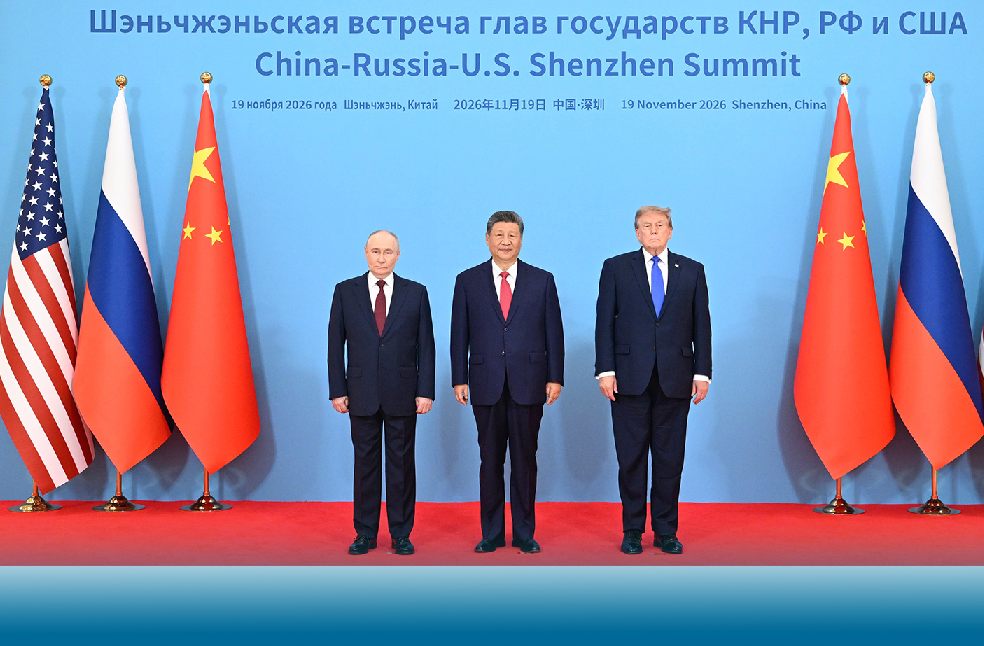
China: Donald Trump, the US President, Xi Jinping, Chinese President and Vladimir Putin, Russian President have begun an unprecedented three-way meeting in Shenzhen on November 19, with the Ukraine war and nuclear arms control among the key issues on the agenda.
The leaders gathered around a large round table inside a villa in the southern Chinese city. The meeting took place on the sidelines of an Asia-Pacific summit and brought together representatives of the world’s 3 largest nuclear powers for discussions on international security and regional conflicts.
Trump described the gathering as a historic moment and stated that the 3 leaders had significant issues to address. The US President also stressed the importance of diplomatic engagement, arguing that opportunities for dialogue should not be rejected if lasting peace is to be achieved.
Putin identified the settlement of regional conflicts as an area of shared interest among the 3 countries. The Russian President specifically referred to the war in Ukraine and indicated that the leaders had common ground in addressing international conflicts.
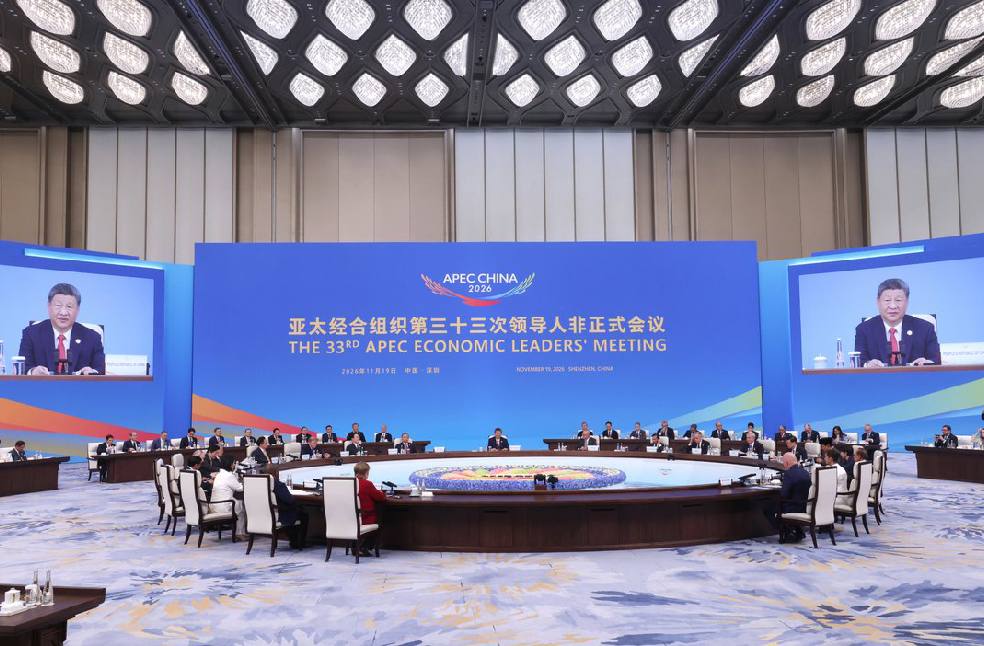
Xi took a different approach in the opening remarks. Xi emphasised the relationship between major powers and global stability, warning that cooperation among powerful countries supports peace while confrontation can lead to wider turmoil.
Before the three-way discussions, Trump held separate meetings with Xi and Putin, referring to both leaders as friends. Trump also raised concerns about the disruption to oil shipments through the Strait of Hormuz following the Iran war.
The US President noted that Trump and Xi shared strong views on the need to maintain the flow of oil through the strategic waterway. Xi has not referred to either Ukraine or Iran in remarks delivered during the 2-day summit.
Kim added that the absence of Ukrainian and European leaders from the discussions could create diplomatic difficulties for China. Xi has previously described the Russia-Ukraine war as primarily a European issue, making Beijing less inclined to take responsibility for securing a settlement.
POPULAR | South Korea seeks closer China ties for regional peace, President says