


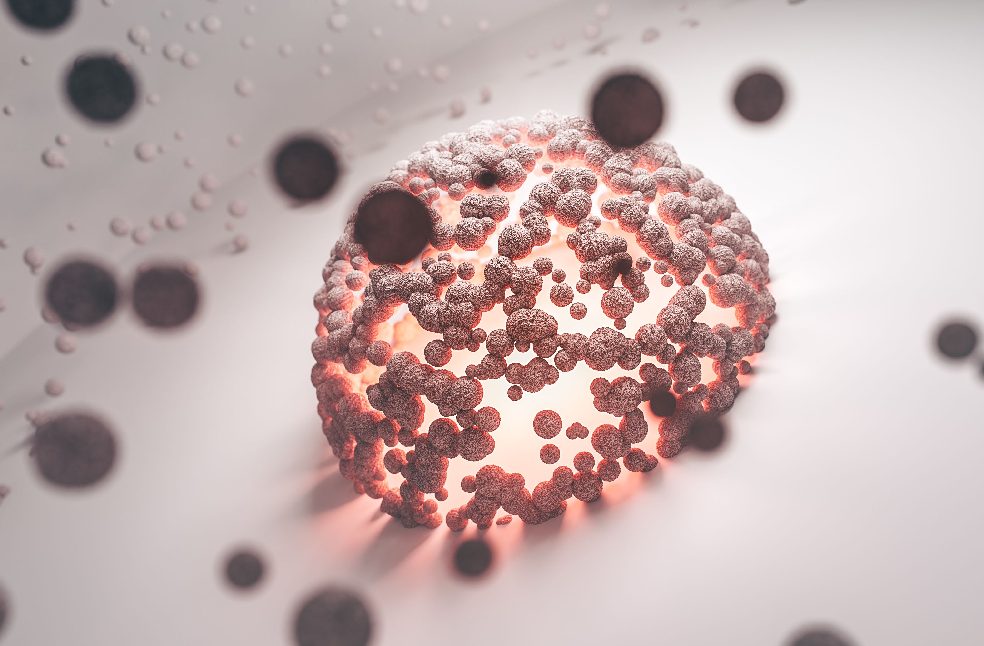
Geneva: The World Health Organization (WHO) has warned that antimicrobial resistance could cause 39 million deaths over the next 25 years, threatening the future of modern medicine and making routine medical procedures increasingly dangerous.
The United Nations health agency raises concern over the growing ability of bacteria and other pathogens to withstand medicines used to treat infections. WHO officials stated that progress in preventing infections, improving diagnosis and ensuring the appropriate use of antibiotics remains too slow to meet global targets. Without stronger action, drug-resistant infections could make routine surgery and childbirth life-threatening.
The scale of the problem is already evident in global health figures. In 2021, antimicrobial resistance was directly responsible for more than 1 million deaths and was associated with approximately 4.7 million additional deaths. The figures highlight the growing burden of infections that no longer respond effectively to available medicines.
A review of progress across 183 countries this year found that nearly 9 in 10 countries developed national action plans to address antimicrobial resistance. This represents an increase from 2017, when only around 4 in 10 countries had such plans. However, WHO stressed that having national strategies in place must be accompanied by effective implementation and stronger healthcare measures.
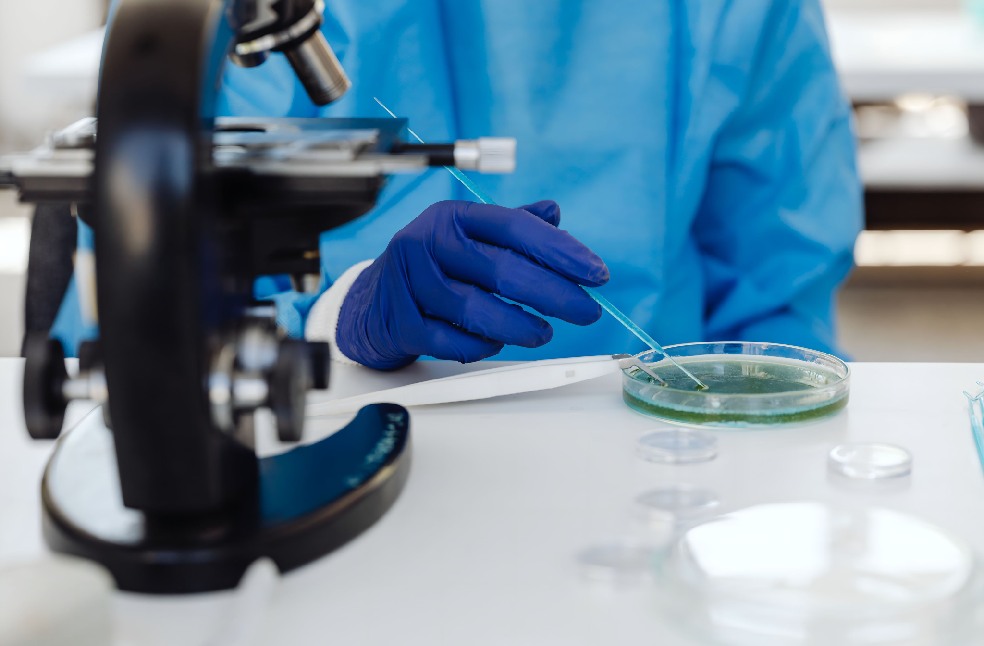
To support countries in improving their response, WHO introduces 2 new tools focused on strengthening diagnostic capabilities. The first outlines the tests that should be available at every level of healthcare, ranging from primary care centres to referral hospitals. The guidance aims to improve the availability of appropriate testing across different healthcare settings.
The second tool brings together 73 laboratory procedures covering several stages of infection diagnosis. These include sample collection, pathogen identification and antibiotic susceptibility testing. The procedures are intended to support laboratories in identifying the organisms responsible for infections and determining which medicines are likely to work against them.
WHO also highlighted infection prevention and vaccination as important measures for reducing antimicrobial resistance. Improved access to clean water and sanitation can help limit the spread of infections and reduce the need for antimicrobial medicines. The agency stressed that appropriate use of antibiotics and other antimicrobials remains essential to preserving their effectiveness.
The warning comes as health authorities face the challenge of slowing resistance while ensuring patients receive effective treatment. WHO’s latest tools and recommendations are intended to help countries improve diagnosis and prevention. The agency emphasised that faster progress is necessary to protect public health and prevent antimicrobial resistance from undermining modern healthcare.
YOU MAY LIKE | Saudi Arabia intercepts 2 Houthi missiles heading towards Riyadh
