


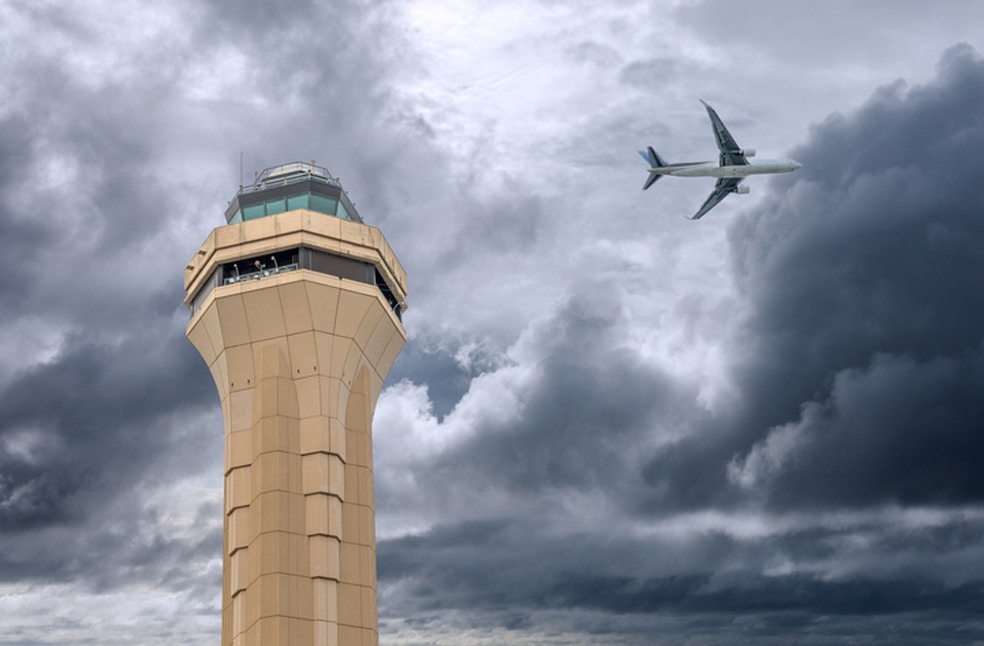
Washington: The Federal Aviation Administration (FAA) grounded all flights across the United States for nearly four hours following an equipment failure, disrupting more than 9,000 flights and affecting an estimated 1.5 million passengers.
The nationwide shutdown was only the second of its kind since the September 11, 2001, attacks and has raised concerns over the country’s ageing aviation infrastructure.
Officials attributed the disruption to problems during a technology upgrade. Routers responsible for communication between air traffic control systems and aircraft reportedly malfunctioned, preventing pilots from using their usual communication frequencies.
.@POTUS is right, now is the time for Congress to act and deliver. Air travel affects every single one of us, and we’re all in this together. Let’s invest in a monumental upgrade that will transform American travel for generations to come. https://t.co/cFDRtvoKeT
— Secretary Sean Duffy (@SecDuffy) November 15, 2026
By November 15, authorities were still working to restore normal operations. Transportation Secretary Sean Duffy stated that the system was expected to return to full capacity by the end of the day or the following morning, although delays were continuing.
The incident has raised questions about whether the nationwide disruption could have been avoided and whether the FAA’s long-delayed infrastructure modernisation programme has been adequately managed.
President Donald Trump attributed the problems to insufficient congressional funding. However, critics argue that substantial amounts have already been allocated for upgrades, while implementation has fallen behind schedule.
Democratic lawmakers have also raised concerns about the administration’s selection and supervision of contractors responsible for the work.
L3Harris faces scrutiny over equipment failure
Investigations are underway to establish the exact cause of Friday’s malfunction. Duffy said the problem originated at a remote FAA facility where employees of defence contractor L3Harris were replacing ageing copper cables with fibre-optic lines.

During the upgrade, a communications router reportedly began malfunctioning and generated around 1,000 login requests to the FAA network every four to five seconds. The repeated requests overwhelmed the system and disrupted communications.
Duffy added that the investigators were examining whether the failure resulted from an installation error by L3Harris or a fault within the router itself. He also indicated that he wanted the FAA to eventually move away from the contractor, although the company currently owns a substantial portion of the agency’s telecommunications infrastructure.
Following Friday’s incident, L3Harris said it was cooperating with the FAA investigation. The company also reported that it had replaced 70 percent of the network’s copper wiring with fibre-optic cables.
Ageing technology across US aviation systems
The incident has renewed attention on longstanding infrastructure problems within the FAA, many of which existed before L3Harris became involved in the network.
The agency has been working to replace approximately 5,170 sections of copper wiring dating back to the 1960s. However, outdated cables are only one part of the wider technological challenges facing the US aviation system.
A September report by the Government Accountability Office (GAO), an independent federal oversight agency, identified several critical systems that urgently require modernisation.
Among the concerns were air traffic control computers used to display flight approach paths and aviation warnings. Some were still operating with outdated equipment, including monitors dating to the 1980s and floppy disk drives.
Thousands of radios and specialised switches used to transmit radio communications through telephone lines also depend on obsolete technology that is no longer manufactured. According to Duffy, the FAA has even had to search online marketplaces such as eBay for replacement components.
The GAO also highlighted the continued reliance on printed flight strips, which provide air traffic controllers with information about aircraft entering their designated airspace. These documents help coordinate take-offs and landings and prevent collisions.
However, the paper-based system has also been linked to safety concerns. In August 2023, a printer failure at San Diego International Airport caused a disruption when a flight-strip printer became jammed. While controllers attempted to resolve the issue, a Southwest Airlines aircraft narrowly avoided colliding with a Cessna jet, with the two planes coming within approximately 30 metres of each other.
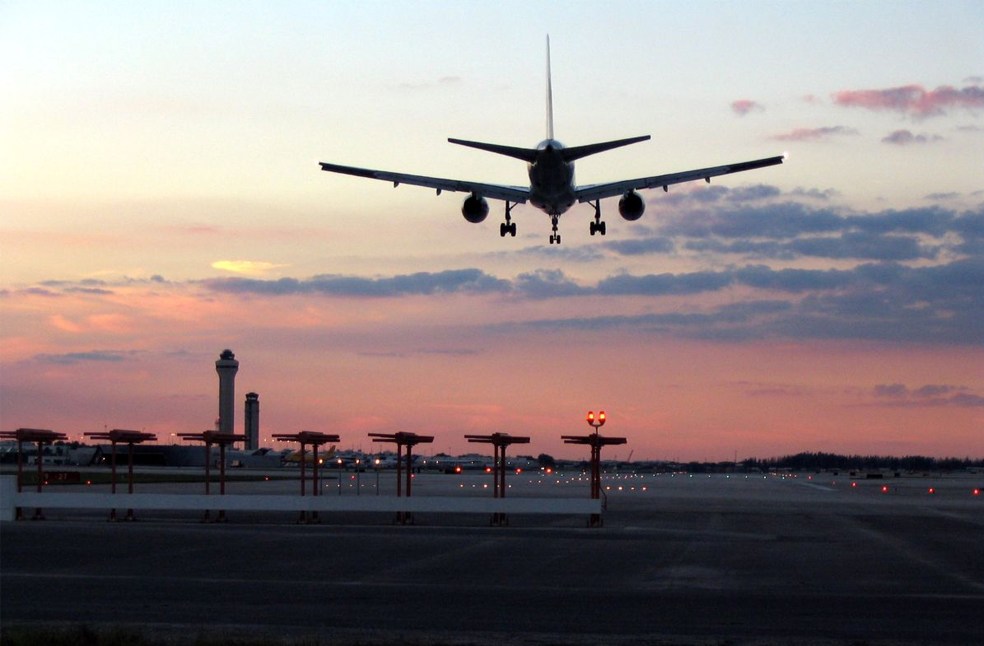
Before November 13 incident, the most recent nationwide flight grounding occurred in January 2023, when the FAA’s Notice to Airmen (NOTAM) system experienced an outage.
The system, introduced in 1985, distributes urgent aviation information about hazardous weather, congestion, and other potential safety risks. Its failure prompted a major review of the FAA’s technology infrastructure.
The subsequent GAO assessment found that 51 of the FAA’s 138 systems were unsustainable, while another 54 were potentially unsustainable due to ageing technology. The report also identified 58 systems as having a critical impact on US air traffic safety.
Delayed upgrades and oversight concerns
A September GAO report found that the FAA had not implemented at least four of the 11 recommendations made to modernise its air traffic management systems.
The scale and complexity of the modernisation programme have contributed to delays. The agency reportedly has 11,389 individual upgrade projects to manage and has struggled to coordinate the work and prepare for disruptions affecting its wider network.
The GAO also identified weaknesses in the FAA’s oversight of contractors, raising concerns about the agency’s ability to monitor and manage infrastructure projects effectively.

Funding arrangements have added to the challenges. Unlike several other critical federal agencies, the FAA does not have a budget automatically guaranteed by law and must obtain congressional approval for its annual spending.
Even when Congress allocates money, the administration is not required to spend the entire amount immediately. Democratic lawmakers have pointed to unspent funds as another factor contributing to the slow pace of modernisation.
Congress allocated $12.5 billion for FAA upgrades in 2025. However, the Trump administration has committed to spending only $4 billion, with approximately $1 billion spent so far.
Duffy has argued that the agency needs at least $50 billion following Friday’s nationwide disruption to address its infrastructure challenges.
The latest disruption has intensified the debate over funding, contractor accountability and the pace of modernisation, as the United States faces growing pressure to address weaknesses in its aviation infrastructure.
ALSO READ | Advent Calendars go beyond chocolate this Christmas