


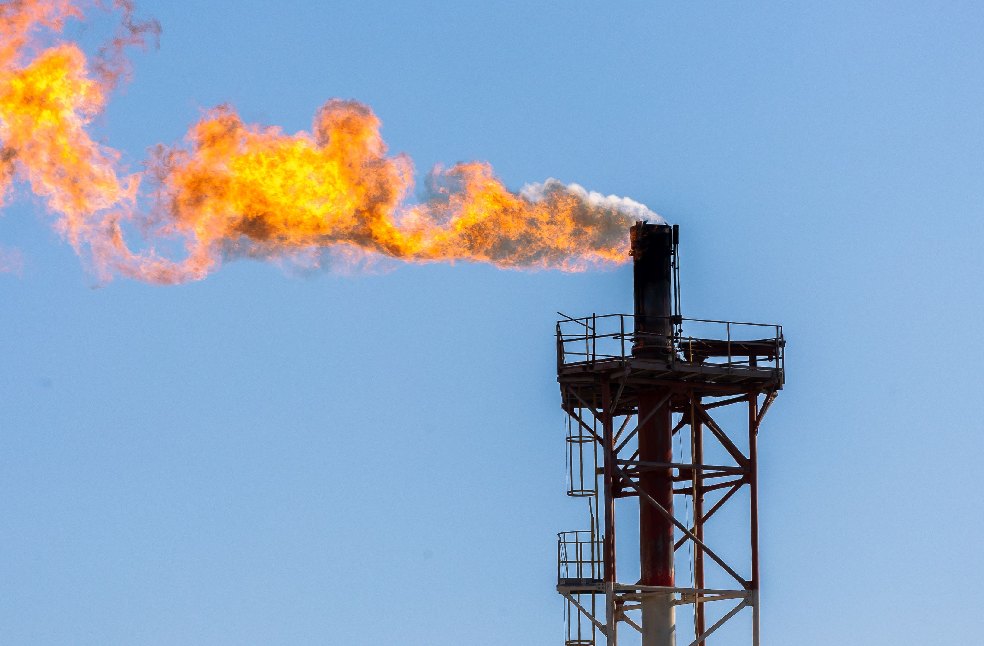
Turkey: Global carbon emissions from fossil fuels are expected to remain largely unchanged in 2026 as higher oil and gas prices following the Iran war encourage consumers to reduce fuel consumption and shift towards renewable energy and electric vehicles.
A comprehensive assessment by scientists forecasts that carbon dioxide emissions from coal, oil and gas will broadly flatline this year based on data collected so far. Fossil fuel emissions are expected to decline by around 0.4 percent compared with 2025. Oil-related emissions are projected to fall by 2 percent as motorists economise on petrol and diesel consumption and more drivers switch to electric vehicles.
The findings highlight how geopolitical developments and changes in energy markets can influence global emissions. The war in Iran has contributed to soaring oil and gas prices, increasing financial pressure on consumers and businesses that depend on fossil fuels. Higher energy costs encourages people to explore alternatives and reduce their reliance on conventional fuels.
The assessment was presented on November 10 at the COP31 climate talks in Antalya, Turkey. The findings underline the combined influence of the Iran conflict and the wider expansion of clean energy on global carbon emissions, although scientists and other analysts cautioned against interpreting the figures as evidence of a lasting global turnaround.
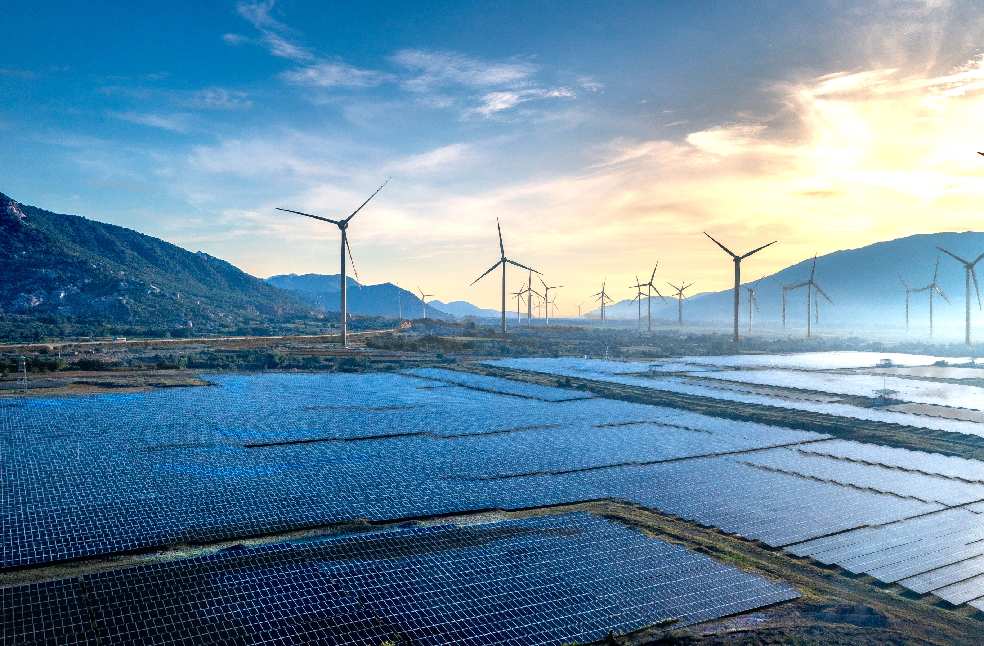
The expansion of affordable renewable energy is another important factor behind the changing emissions outlook. Solar and wind power continues to gain ground globally, offering alternatives to conventional energy sources. Their growing availability has supported the shift away from fossil fuels and helped limit emissions from energy production.
The expected 0.4 percent reduction in fossil fuel emissions remains relatively small and could prove temporary if energy prices change or fossil fuel consumption rises again. The decline also does not reflect the full picture of global emissions, as increased pollution from deforestation and land-use changes has more than offset the reduction recorded in fossil fuel emissions.
Major fires in south-east Asia have contributed to the increase in emissions. Further conversion of natural land into agricultural areas also added to the pollution. These developments show how progress in reducing emissions from energy consumption can be undermined by forest destruction and changes to natural landscapes.
The findings point to a mixed global climate outlook. Although higher fossil fuel prices and expanding renewable energy use helps slow emissions growth in 2026, deforestation and land-use changes continue to create significant challenges for climate action.
MOST READ | Trump signals support for safeguards to manage AI risks
