



England: Hundreds of thousands of vulnerable patients across England will receive additional support from their GPs under a £40 million programme aimed at preventing avoidable hospital admissions during the winter months.
As the NHS prepares for increased demand during the colder season, family doctors will provide health assessments, medication reviews and respiratory tests to around 300,000 people living with frailty and long-term health conditions. The initiative aims to identify patients at greater risk of becoming seriously ill and provide timely care within their communities.
The programme will be financed through the reallocation of existing GP budgets for the 2026-27 financial year. Groups of GP practices will receive £126 for each eligible patient they support, allowing them to identify those who require additional attention.
The Prime Minister noted that the initiative would prioritise people with heart disease, frailty and respiratory conditions, including emphysema and other forms of chronic obstructive pulmonary disease (COPD).

Andy Burnham remarked that the NHS would face significant challenges this winter but stressed that providing early care at home could reduce pressure on hospitals and prevent unnecessary emergency admissions.
Burnham added that the programme would help GPs identify vulnerable people before their health conditions deteriorate, ensuring they receive appropriate treatment closer to home. The PM also highlighted the importance of giving healthcare professionals the resources and technology needed to deliver effective care.
Health Secretary Yvette Cooper stated that the initiative was part of wider preparations for winter pressures following a particularly demanding summer for the NHS due to high temperatures.
The Health Secretary noted that preparations also included expanding flu vaccination programmes, increasing urgent care capacity and strengthening coordination between healthcare providers and social care services.
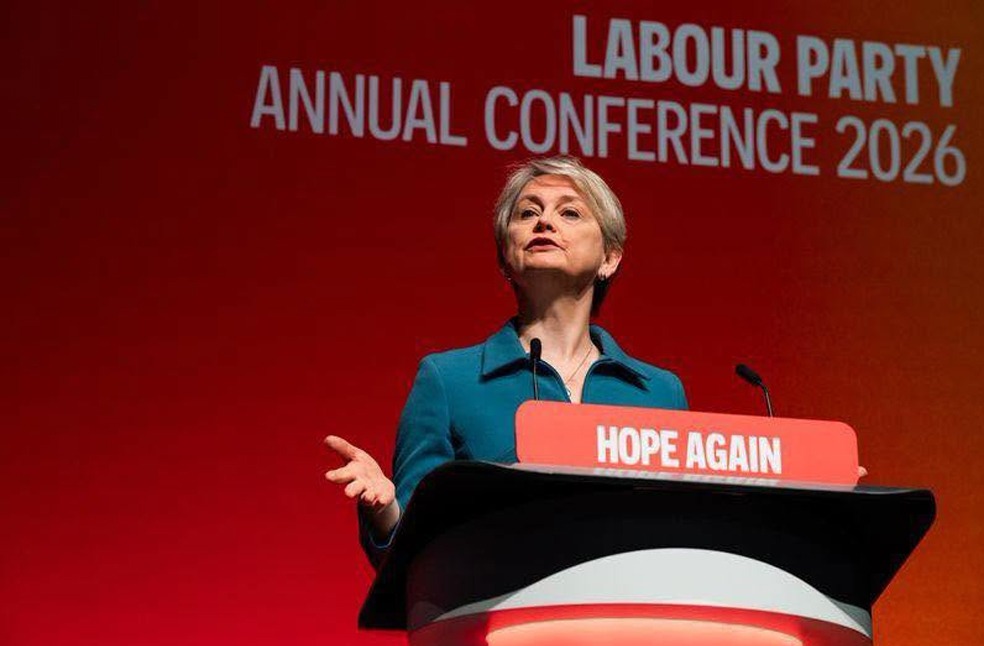
Cooper added that the £40 million scheme complemented wider efforts to strengthen primary care, including increasing the number of GPs and providing millions of additional appointments.
Professor Victoria Tzortziou Brown, president of the Royal College of GPs, welcomed the focus on preventive healthcare and additional support for patients most vulnerable to avoidable hospital admissions.
Brown added that GPs’ clinical expertise, understanding of patients’ medical histories and continuity of care were essential to identifying those who needed additional assistance and delivering personalised treatment.
However, the Professor cautioned that short-term programmes alone would not ensure lasting improvements for people with complex health needs. She called for a long-term approach to preventive healthcare supported by sustained investment in general practice.
ALSO READ | Delhi’s air quality worsens on eve of Diwali, IQAir says