



Canberra: Australia’s landmark ban on social media access for children under 16 is facing a major constitutional challenge, with Reddit and a digital rights group urging the country’s High Court to overturn the legislation.
During a hearing on November 3, the challengers argued that the law was introduced hastily and without adequate consideration, restricting children’s ability to communicate freely.
The case represents a significant test for a policy that has attracted international attention as governments worldwide consider tighter controls on children’s online activities.
Introduced in December last year, the legislation is part of a series of online safety measures introduced by the Australian government.
Supporters argue that it protects children from harmful online content, while opponents believe a blanket ban is too restrictive and that improving platform safety would be a more effective approach.

Speaking outside the High Court in Canberra, Communications Minister Anika Wells described the issue of regulating technology platforms as one of the most important policy questions facing society. Wells added that the government was defending a fundamental principle of Australian democracy: the right of citizens, particularly children, to be protected from harm.
The constitutional challenge was initially filed by the Digital Freedom Project, led by New South Wales parliamentarian John Ruddick, shortly before the ban came into effect on December 10 last year.
Reddit has also brought a separate challenge against the legislation, raising concerns about its impact on privacy and political rights. The company said it supports efforts to make online spaces safer for young people but believes more effective alternatives exist.
Reddit Chief Communications Officer Adam Collins said the company would continue complying with the law while pursuing its legal challenge and advocating for alternative youth safety measures.

Inside the courtroom, Reddit’s lawyer, Perry Herzfeld, argued that the legislation violated the constitutionally implied freedom of political communication. The lawyer highlighted that social media platforms were among the most important communication channels in modern society and that restricting children’s access could limit their ability to participate in public discussions.
Government lawyer Joanna Davidson SC began presenting the government’s case, outlining the potential harm social media can cause children. Her submissions are scheduled to continue on November 4.
Under the legislation, 10 platforms, Facebook, Instagram, TikTok, YouTube, Reddit, Snapchat, X, Kick, Threads and Twitch, are required to take reasonable steps to prevent users under 16 from accessing their services.
Companies found responsible for serious or repeated breaches face penalties of up to A$99 million (approximately US$70 million). However, no platform has been fined since the restrictions took effect.
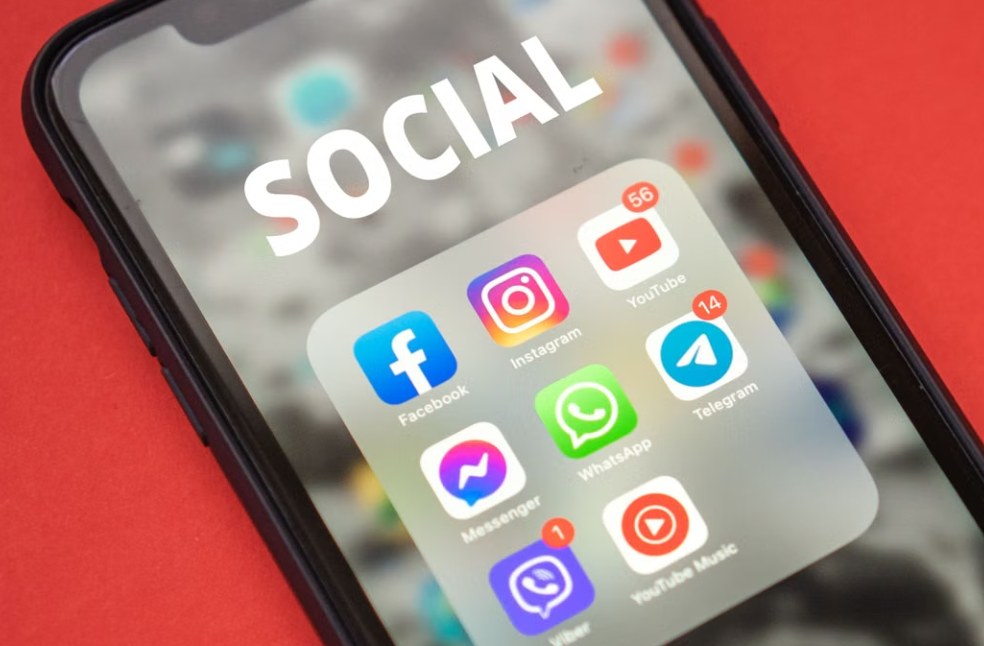
Australia’s eSafety Commissioner, responsible for enforcing the legislation, has launched investigations into alleged non-compliance involving Facebook, Instagram, Snapchat, TikTok and YouTube.
Several services remain outside the restrictions, including WhatsApp, online gaming platforms such as Roblox and Discord, and educational services such as YouTube Kids and Google Classroom.
Following the introduction of the ban, Meta, which owns Facebook, Instagram and Threads, noted that it had deactivated approximately 500,000 accounts.
Some children reported losing access to their accounts shortly before or after the restrictions began. However, others stated that they were able to bypass age-verification checks, which included submitting credit card information, government-issued identification or selfies.
The High Court’s decision could have significant implications for Australia’s approach to online safety and may influence similar regulatory efforts in other countries.
ALSO READ | Alcohol in cold weather: Does it really keep you warm?
