


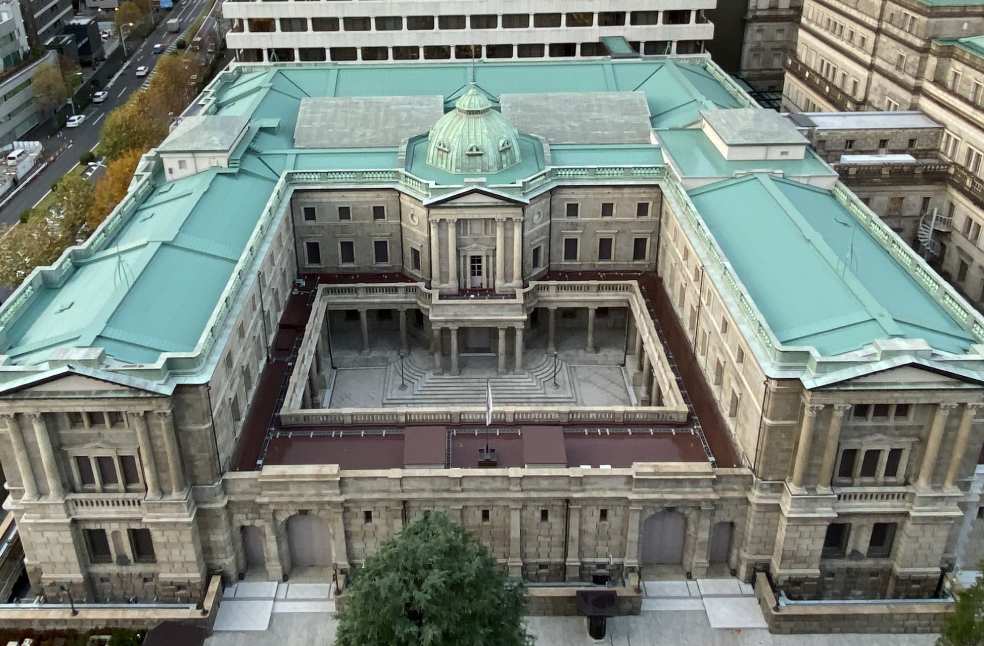
Tokyo: Japan’s interest rate has reached its highest level in more than three decades after the Bank of Japan raised its benchmark policy rate from 0.75 percent to 1 percent on June 16. The move has taken borrowing costs to a level not seen since 1995 and reflects growing concerns about inflation and rising energy prices.
The decision comes as global energy markets continue to feel the effects of the conflict involving Iran, which has pushed up oil and gas costs worldwide. Higher energy prices have added inflationary pressure in Japan, a country that relies heavily on imports from the Middle East to meet its energy needs.
Japan maintained extremely low interest rates for much of the past two decades as policymakers sought to combat deflation and stimulate economic growth. The Bank of Japan began moving away from that policy in March 2024 when it implemented its first rate increase in 17 years and has gradually tightened monetary policy since then.

Recent economic data have highlighted rising price pressures across the country. Wholesale prices increased by more than 6 percent in May compared with the same period last year, marking the fastest rise in three years. However, Japan’s overall inflation rate stood at 1.4 percent in April, remaining below the central bank’s target of 2 percent.
The Bank of Japan stated that government measures designed to reduce the impact of high fuel costs have helped support households and lower the risk of a sharp economic slowdown. At the same time, policymakers warned that inflation expectations continue to rise and could move above the bank’s target if price pressures persist over the medium to long term.
The latest increase in interest rates has also been viewed as part of efforts to support the Japanese yen, which has faced pressure against major currencies such as the US dollar and euro. Despite the increase, Japan’s borrowing costs remain lower than those in many major economies, including the United States, the United Kingdom and Australia.
TRENDING | Oil prices fall after US-Iran framework deal announced
