


Moscow: Russia has remained largely silent on Donald Trump, US President’s announcement of an energy ceasefire between Russia and Ukraine, raising questions over Moscow’s willingness to halt attacks on energy infrastructure.
Trump announced that both countries had agreed to stop strikes on energy facilities with immediate effect. However, Volodymyr Zelensky, Ukrainian President indicated that Kyiv had not received confirmation of the arrangement. Ukraine has expressed willingness to participate if Russia also commits to the proposed truce.
In recent months, Ukrainian long-range drone strikes have caused extensive damage to Russian oil facilities. Continued attacks could also create tensions between Kyiv and Washington. Russian officials may argue that the strikes threaten US economic interests and undermine the proposed arrangement for Russian diesel imports into the United States.
The Kremlin would welcome any US decision to restrict intelligence sharing with Ukraine or weapons sales to European countries intended for Ukrainian forces. Moscow has also welcomed Trump’s criticism of Zelensky, including the US president’s suggestion that Ukraine should elect a new president.
Trump stated that the diesel agreement could benefit American consumers. However, questions remain over whether the volumes involved would significantly reduce fuel prices. Moscow could nevertheless benefit politically if Ukrainian strikes prompt Washington to reconsider military and intelligence support for Kyiv.
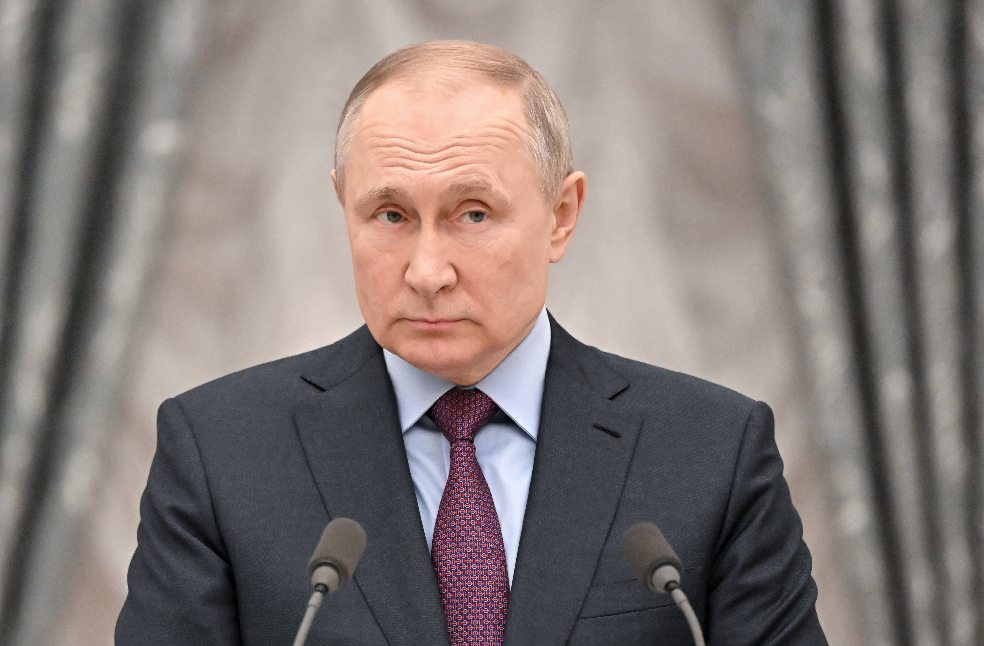
Vladimir Putin, Russian President has shown little willingness to halt the fighting, with recent statements from Moscow indicating that the Kremlin continues to pursue its military objectives in Ukraine. The latest developments suggest that Moscow remains focused on maintaining military pressure rather than accepting an immediate halt to hostilities.
Zelensky has called for a 60-day Russian ceasefire to allow presidential elections in Ukraine. Moscow rejected the broader idea of a temporary halt to fighting, maintaining that Russia wants a lasting peace rather than a short-term truce.
On October 13, the Kremlin proposed a one-day cessation of hostilities to allow Ukraine to hold elections. The proposal is unlikely to satisfy Kyiv or Western governments, which have questioned Moscow’s commitment to ending the war.
Sergei Lavrov, Russian Foreign Minister also argued that Ukraine did not deserve the respite a ceasefire would provide. Meanwhile, Zelensky reported Russian attacks on several Ukrainian energy targets raising further concerns over the proposed ceasefire.
The Kremlin’s broader objective remains to force Ukraine to accept peace on Russian terms. Moscow appears to believe that the diesel arrangement with Trump and growing tensions between Washington and Kyiv could help advance that goal.
POPULAR | India river-linking project faces protests over flooding risks
