


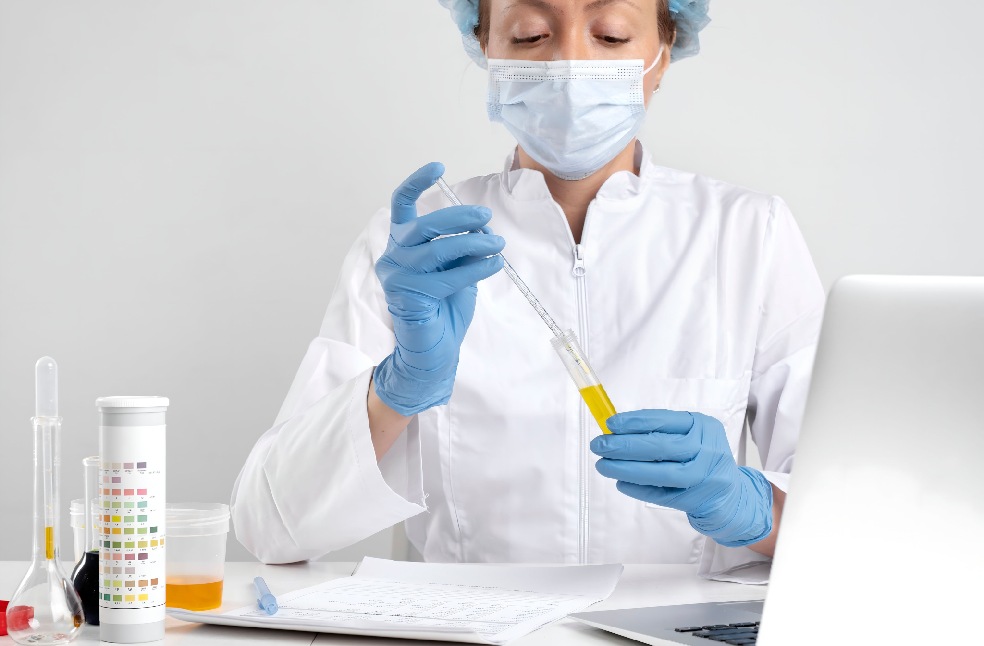
London: The NHS-trialled urine test has detected 92 percent of bladder cancer cases in a study involving nearly 1,000 patients across 7 hospitals in England and Scotland.
The findings have been published in European Urology Oncology. The research was led by the University of Birmingham and diagnostics company Nonacus. Researchers believe the test could eventually reduce the number of patients who need urgent invasive investigations.
The test is not intended to replace cystoscopies. Instead, it could help doctors identify patients at greater risk of bladder cancer. Those patients could then be prioritised for urgent cystoscopies rather than waiting for an appointment.
More than 300,000 cystoscopies are carried out in the UK each year. The procedure involves passing a small camera through the urethra and into the bladder. Significant waiting lists exist in some parts of the country.
The Galeas urine test identified 92 percent of bladder cancer cases in the NHS trial. A negative result provided more than a 99 percent chance that the patient did not have bladder cancer. Researchers hope a larger trial can confirm the findings. If successful, the approach could spare tens of thousands of patients from invasive procedures each year.
The test detects genetic material released into urine by bladder cancer. It examines more than 450 DNA mutations linked to the disease across 23 genes. The technology was initially developed by the University of Birmingham with funding from Cancer Research UK (CRUK).
The technology has been commercialised by Nonacus under a licensing agreement. Part of the revenue generated by the test is returned to the University of Birmingham and CRUK. Bladder cancer is more common among men aged over 60.
Blood in the urine is the main symptom. The seriousness of the disease depends on the size of the cancer and whether it has spread elsewhere in the body. Researchers in NHS remarks that earlier detection and treatment remain important because finding cancer sooner can improve the chances of successful treatment and save lives.
POPULAR | UK launches Super-K flu vaccine programme for winter
