


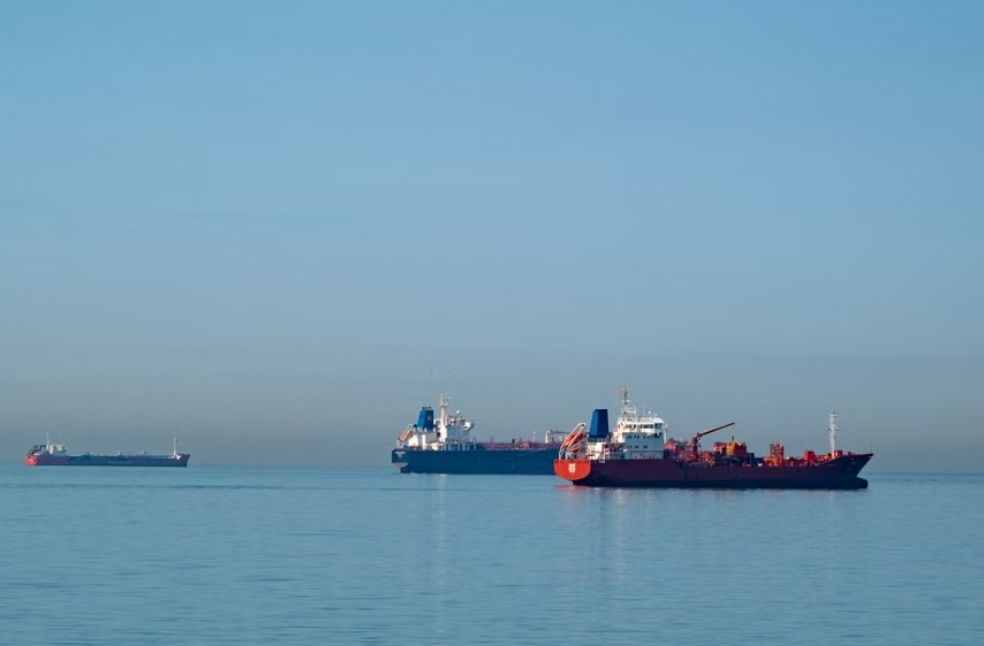
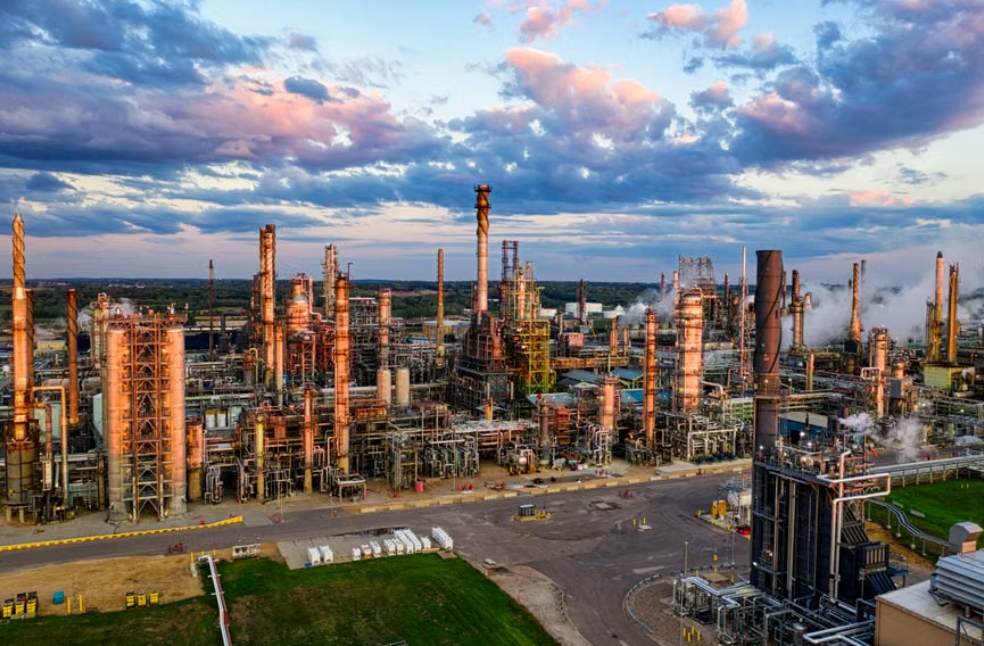
London: Global oil prices climbed sharply after the United States launched military strikes on Iran, reigniting fears of a broader conflict in the Middle East and raising concerns about potential disruptions to global energy supplies. The renewed tensions reversed a recent decline in crude prices that had followed hopes of a temporary easing in hostilities, sending investors back toward safer assets.
Brent crude, the international benchmark for oil prices, rose by more than 3 percent during early trading, reaching its highest level since June 23. Market analysts said the rally reflected growing concerns over the stability of oil exports from the region, particularly as tensions intensified around the Strait of Hormuz, one of the world’s busiest and most strategically important shipping routes for crude oil.
The latest market reaction followed US military strikes on Iran and Washington’s decision to revoke a temporary sanctions waiver related to Iranian oil. The actions came after attacks on three commercial vessels operating in the Strait of Hormuz. US, Qatari and Saudi officials blamed Iran for the incidents, while the US military said the strikes were intended to impose costs on those responsible for targeting international shipping.
Iran has not directly claimed responsibility for the attacks on the vessels but strongly criticised the US decision to withdraw the sanctions waiver. Iranian Deputy Foreign Minister Kazem Gharibabadi described the move as a violation of the understanding previously reached between Tehran and Washington, warning that Iran would take decisive measures to protect its national interests and security.
The developments also affected financial markets across Asia. Stock markets posted mixed performances, with losses recorded in Tokyo and Seoul, while Taipei and Hong Kong ended higher. Investors continued to monitor geopolitical developments closely, as prolonged instability in the Middle East could influence inflation, energy costs and global economic growth.
Market experts said traders are now watching for further military or diplomatic developments that could determine the direction of oil prices in the coming days. Any disruption to shipping through the Strait of Hormuz, which handles a significant share of the world’s oil trade, could have far-reaching consequences for global energy markets and increase pressure on fuel prices worldwide.
POPULAR | Ronaldo’s final World Cup ends after Portugal defeat
