



Barcelona: Learning and speaking multiple languages may help slow brain ageing, with new research suggesting multilingual people have brains that appear significantly younger than their actual age.
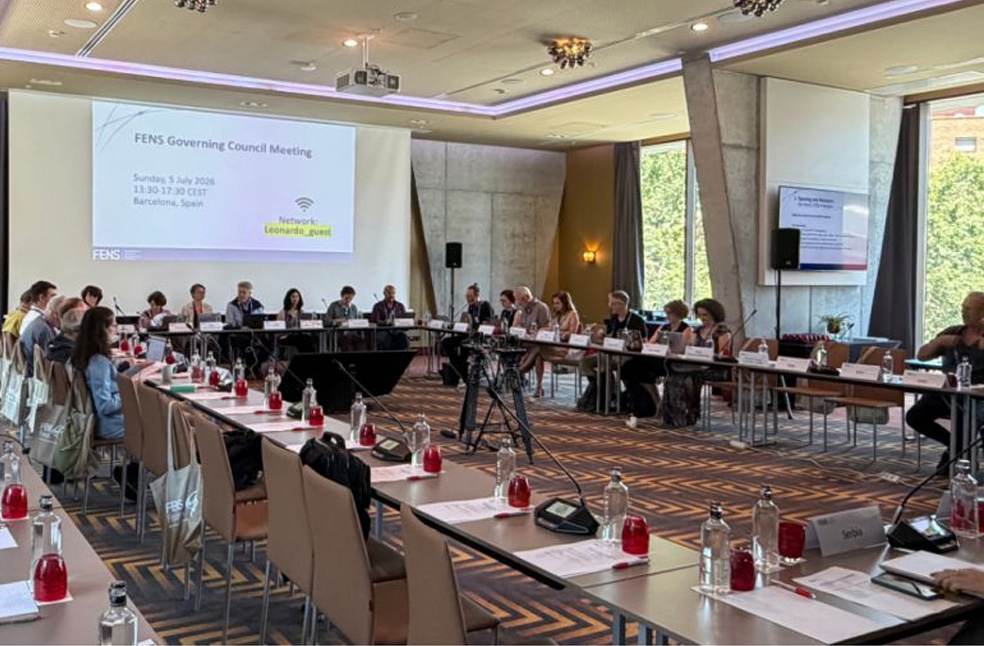
The findings, presented at the Federation of European Neuroscience Societies (FENS) Conference in Barcelona, indicate that the more languages a person speaks, and the earlier they begin learning them, the greater the potential benefit for brain health.
Researchers found that people who spoke two languages had brains that appeared around six years younger than those of monolingual individuals. Those who spoke three languages had brains that appeared about seven years younger, while individuals fluent in four languages showed brains that looked approximately 13 years younger.
As people age, the brain’s network of billions of nerve cells gradually loses connectivity, often leading to declines in memory, processing speed, and cognitive function. Scientists believe multilingualism may help preserve these neural connections.
The international study involved researchers from Spain, Chile, Argentina, and Ireland, who focused on residents of Spain’s Basque region, where multilingualism is common. Participants spoke combinations of Spanish, Basque, French, and English.
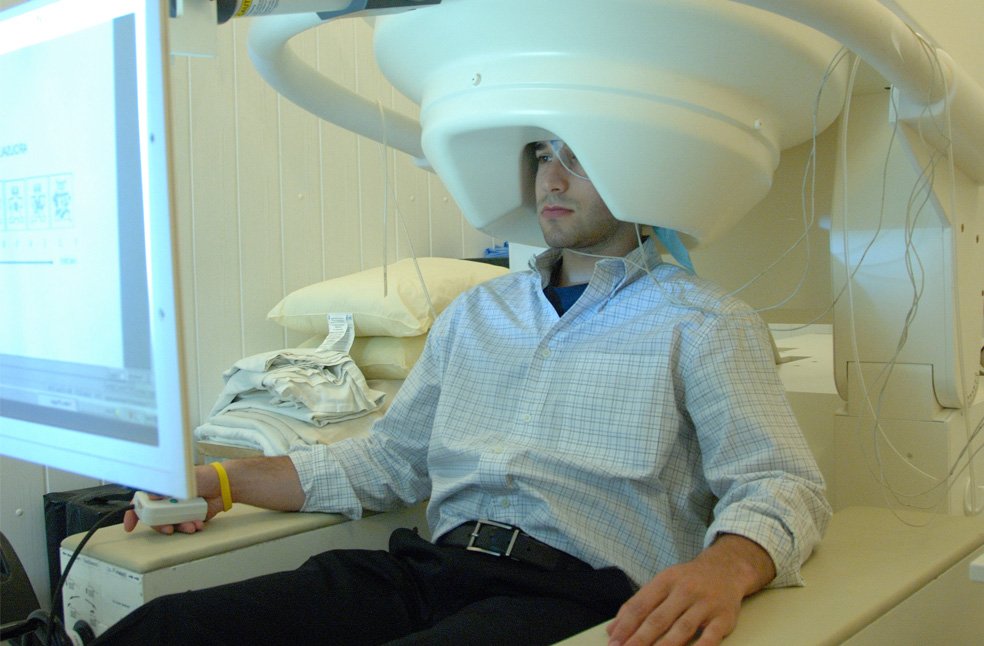
To assess brain ageing, researchers used magnetoencephalography (MEG) to analyse the brain activity of 728 participants of different ages and language abilities. Artificial intelligence was then used to establish expected levels of brain connectivity for different age groups.
The findings were validated using a separate group of 144 participants, equally divided among people who spoke one, two, three, and four languages.
Lead researcher Dr. Lucia Amoruso of the Basque Center on Cognition, Brain and Language remarked that the results showed that multilingual individuals tended to have brains that appeared younger than expected for their chronological age.
Amoruso noted that the benefits were linked not only to the number of languages spoken but also to language proficiency and how early a second language was acquired. According to the researchers, multilingual experience should be viewed as a spectrum, with greater fluency and longer exposure to multiple languages offering stronger protective effects against brain ageing.
The study accounted for factors such as age, sex, and education. However, researchers acknowledged that they could not completely exclude the influence of other variables, including lifestyle, social interaction, and other mentally stimulating activities.
Commenting on the findings, Prof. Christina Dalla of the National and Kapodistrian University of Athens said that learning additional languages could help keep the brain healthier for longer, particularly when language learning begins early in life. She added that language learning also offers important social and cultural benefits and should be encouraged throughout life.
Experts also urged caution in interpreting the findings. Prof. Eef Hogervorst of Loughborough University noted that multilingualism is associated with greater brain resilience, but noted that people who speak several languages may also be more likely to engage in other brain-protective activities such as reading, lifelong learning, and playing musical instruments, which could also contribute to healthier brain ageing.
MOST READ | Peru’s Keiko Fujimori claims Presidency after close race
